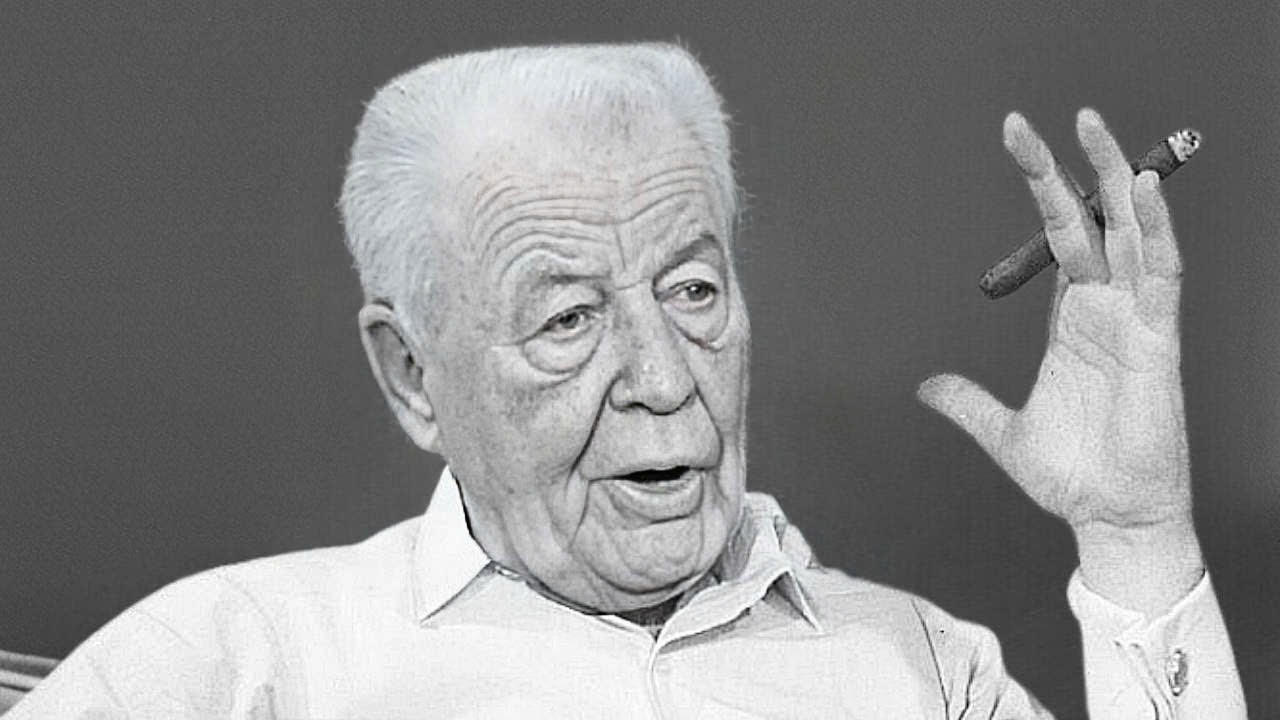
When Phil Collins met Paul McCartney at a Buckingham Palace event in 2002, McCartney made a remark that set off a grudge lasting 14 years. According to Collins, McCartney told his wife, “Our little Phil’s a bit of a Beatles fan. ”
Collins had approached McCartney to ask for an autograph. Instead of a friendly exchange, he felt the comment was condescending.

“I thought, you… you fuck,” Collins later recalled, describing the moment as one that made him feel dismissed rather than respected. Collins says that single throwaway phrase fueled genuine resentment toward McCartney that he carried for well over a decade. He did not publicly campaign against the former Beatle, but in interviews he repeatedly returned to that 2002 encounter as a defining moment in how he viewed McCartney. For Collins, the sting was about feeling overshadowed.
Even as a hugely successful musician in his own right, he saw McCartney’s attitude as emblematic of a broader dynamic: the legendary artist making others feel smaller, not because of their talent, but simply because of who he was. McCartney, for his part, later reached out to Collins, but the apology did not land as a full acknowledgement. Collins described it as closer to “let’s just get on with our lives” than a genuine reckoning with the hurt caused. The episode also highlights how even legendary figures can be isolated by their own status.
McCartney has long dealt with the weight of being a Beatle, with critics sometimes dismissing his music as safe while praising others in his era as revolutionary. Behind the scenes, his relationship with John Lennon was marked by rivalry, with one former aide saying Lennon envied McCartney’s ability to write melodies like “Yesterday” and “Hey Jude. ” McCartney himself admitted the post-Beatles period was “pretty hurtful. ”
The collision between Collins and McCartney shows how power and legacy operate in unexpected ways.
When one legend meets another, a seemingly harmless comment can carry enormous weight, echoing for years in ways the speaker may never realize. Collins’s resentment was not about one moment alone. It was about what that moment represented: a talent overshadowed, a peer dismissed, and a symbol of how greatness can inadvertently cast a shadow over others.
The story stands as a reminder that even the most successful people can feel invisible next to a mythic figure, and that a single careless remark can leave a lasting mark.