The King Of Comedy Had A Serious Dark Side
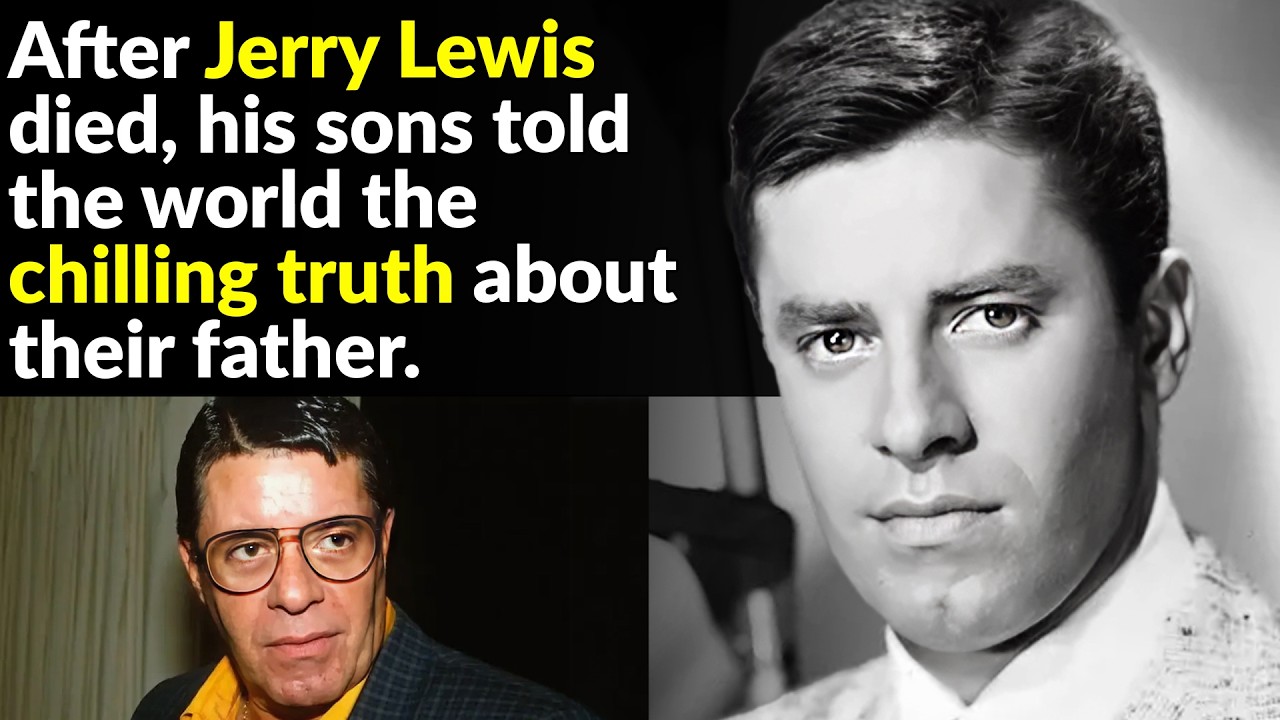
The legacy of Jerry Lewis, the man hailed as the undisputed king of comedy, has been irrevocably shattered by the chilling confessions of his own sons, who have revealed a dark and abusive reality behind the clown’s mask. In the wake of his death in 2017 at the age of 91, the carefully curated image of a beloved entertainer has crumbled, replaced by accusations of emotional cruelty, financial abandonment, and a calculated campaign to erase his first family from his life. The world is now grappling with the horrifying truth that the man who taught generations to laugh may have lived a life of profound personal darkness. Gary Lewis, the eldest son of Jerry Lewis and his first wife, Patty Palmer, has emerged as the most vocal critic of his father’s character, delivering a damning indictment that leaves no room for ambiguity. In interviews following the comedian’s death, Gary did not mince words, describing his father as a mean and evil person who never showed any of his six sons an ounce of genuine love. This stark condemnation from a direct family member has forced a re-evaluation of the man who was once celebrated as a national treasure, suggesting that his on-screen zaniness masked a cold and calculating domestic tyrant. The depth of Jerry Lewis’s alleged cruelty was laid bare in the final act of his life, a decision that his sons describe as a parting act of vengeance. When the comedian’s will was unsealed, it revealed that he had deliberately and completely cut every single one of his six sons from his first marriage out of his inheritance. The entirety of his substantial estate was left solely to his second wife, Sandra Pitnik, and their adopted daughter, Danielle. For his sons, this was not merely a financial decision but a final, brutal statement of rejection from a father who had long since abandoned them emotionally. Anthony Lewis, the youngest son from Jerry’s first marriage, has offered a more nuanced but equally troubling portrait of life inside the Lewis household. He described his father as an unpredictable figure, a man whose mood could shift without warning, leaving his children in a constant state of anxiety about which version of him would walk through the door. Anthony characterized this behavior as emotionally abusive, revealing a home environment that was far from the happy, carefree setting one might expect from a man whose career was built on making people laugh. The tension, he said, was a constant, oppressive presence. The allegations against Jerry Lewis extend far beyond the walls of his home, with multiple women who worked alongside him in the 1960s coming forward with disturbing accounts of his behavior. In a 2022 report by Vanity Fair, several of his former female co-stars accused him of a pattern of harassment, verbal abuse, and even sexual assault. These accusations paint a picture of a powerful man who used his status in Hollywood to intimidate and exploit those around him, adding a layer of predatory behavior to the already complex and troubling legacy of the comedy icon. To date, no formal charges have resulted from these claims. To understand the man, one must look at his origins. Born Joseph Levitch on March 16, 1926, to Jewish immigrant parents in New Jersey, Jerry Lewis was the son of a vaudeville performer and a pianist. His early life was steeped in the world of entertainment, and he developed a wild, impulsive sense of humor as a teenager, playing pranks and causing harmless trouble. This early persona would become the foundation of his career, but it also hinted at a restless energy that would later manifest in more destructive ways. His path to stardom was not immediate, marked by early failures that forced him to work menial jobs. A heart murmur kept Jerry Lewis out of World War II, a medical deferment that allowed him to continue his pursuit of a show business career. It was during this time that he met and married Patty Palmer, a singer, in 1944. The marriage, which would produce six sons, appeared from the outside to be a perfect union of two performers. However, as Lewis’s star began its meteoric rise, the pressures of fame and his own internal demons began to strain the relationship, creating a rift that would never truly heal. The tension in his home life grew in direct proportion to his success on stage. The partnership that would define his career began almost by accident at the 500 Club in Atlantic City in 1946. Jerry Lewis, then a struggling comic, was paired with a singer named Dean Martin. Their initial performances were a disaster, so bad that the club owner threatened to fire them. In a moment of desperation, they abandoned their scripted act and began improvising, with Lewis interrupting Martin’s songs with manic antics. The audience roared with laughter, and the legendary Martin and Lewis comedy duo was born, a partnership that would revolutionize entertainment. The chemistry between Martin and Lewis was undeniable, and they quickly became the hottest act in the country. They conquered radio with The Martin and Lewis Show, conquered television with appearances on Ed Sullivan’s Toast of the Town, and conquered Hollywood with a string of hit films for Paramount Pictures. Between 1950 and 1956, they made 14 films together, becoming the highest-grossing comedy team of their era. Their dynamic was simple but magical: Martin was the smooth, handsome straight man, and Lewis was the wild, chaotic clown. The world could not get enough of them. But behind the scenes, the partnership was fraying. The spotlight began to shine more brightly on Jerry Lewis, whose physical comedy and manic energy were stealing the show. Dean Martin, the more traditional crooner, increasingly felt like a supporting player in his own act. The final straw came in 1954 when Look magazine published a cover photo of the duo, but cropped Martin out entirely, featuring only Lewis. The insult was profound and public, and the relationship never recovered. Their last film together, Hollywood or Bust, was a tense and unpleasant experience for both men. The split in 1956 was devastating for Jerry Lewis, who lost his confidence and his professional identity. He retreated from the spotlight, unsure if he could succeed without his partner. The turning point came during a family vacation in Las Vegas when he was asked to fill in for an ailing Judy Garland. Hesitant but desperate, he took the stage alone. The crowd’s response was rapturous, giving him the validation he needed to rebuild his career. This solo performance launched a new phase of his life, one where he would prove he was a star in his own right. Lewis reinvented himself as a solo performer, a film director, and a producer. He signed a historic contract with Paramount Pictures that made him the highest-paid performer in Hollywood and gave him unprecedented creative control. He pioneered the use of video monitors on film sets to review his performances instantly, a technique that revolutionized filmmaking. His 1960 film The Bellboy, which he wrote, directed, produced, and starred in, was a massive success, proving that his talent was not dependent on a partner. He had become a one-man entertainment empire. Despite his professional resurgence, the personal cost of his success was mounting. Jerry Lewis’s infidelities were an open secret in Hollywood, and his marriage to Patty Palmer was crumbling under the weight of his neglect and ego. For nearly 40 years, she endured his behavior, but in 1980, she finally filed for divorce. Lewis wasted no time in moving on, marrying Sandra Pitnik, a former flight attendant and ballerina who had a small role in his film Hardly Working, in 1983. He adopted a daughter with Pitnik and seemed to completely sever ties with his first family. The most famous public reconciliation between Jerry Lewis and Dean Martin occurred in 1976, orchestrated by their mutual friend Frank Sinatra. During Lewis’s annual Labor Day telethon for the Muscular Dystrophy Association, Sinatra brought Martin on stage as a surprise guest. The audience erupted as the two former partners embraced, a moment of genuine emotion that seemed to heal a 20-year rift. Lewis later expressed deep regret for the years of silence, calling it one of the biggest mistakes of his life. This reunion was a rare moment of warmth in a life marked by conflict. The Muscular Dystrophy Association telethons became the defining cause of Jerry Lewis’s later years. For decades, he hosted the annual Labor Day broadcast, raising billions of dollars for research and patient care. He became the face of the fight against the disease, earning widespread praise for his charitable work. However, even this legacy has been tarnished by controversy, with critics arguing that his telethon promoted a paternalistic and pity-based view of disability. The man who was once a saint for his philanthropy is now viewed through a more critical lens. Jerry Lewis’s health was a constant battle throughout his life. He suffered his first major heart attack in 1960 at the age of 34, a stark warning that he largely ignored. He survived two more heart attacks in 1982 and 2006, as well as a battle with prostate cancer and a debilitating pulmonary fibrosis condition. His body was a testament to a life lived at full throttle, but his resilience was remarkable. When he finally died of end-stage heart disease in 2017, the medical community was surprised he had lasted as long as he did. The immediate aftermath of Jerry Lewis’s death was a flood of tributes from the entertainment world, celebrating his genius and his contributions to comedy. Comedians like Jim Carrey, Steve Martin, and Richard Pryor were quick to credit him as a primary influence, noting that he stretched the boundaries of physical comedy and anarchy. Carrey stated that Lewis’s comedy was an act of anarchy, a stretching of reality so far that it became something new. The professional admiration was genuine and widespread, but it stood in stark contrast to the private grief of his estranged family. The accusations of sexual misconduct that surfaced in 2022 have added a deeply sinister layer to the Jerry Lewis story. Multiple women who worked with him on film sets in the 1960s described a pattern of predatory behavior, including unwanted physical advances, verbal harassment, and the use of his power to create a hostile work environment. These accounts, published by Vanity Fair, have not been legally pursued, but they have further damaged the reputation of a man who was once considered untouchable. The #MeToo movement has cast a long shadow over his legacy. The question of how to reconcile Jerry Lewis’s artistic genius with his personal cruelty is a complex and uncomfortable one. He was a pioneer who changed the language of comedy, a technical innovator who transformed filmmaking, and a philanthropist who raised billions for charity. He was also, according to his own children, a mean and evil person who withheld love and used his wealth as a weapon. The world is now left to grapple with this duality, forced to accept that a man who brought so much joy could also cause so much pain. The story of Jerry Lewis is a cautionary tale about the dangers of fame and the disconnect between public persona and private reality. His sons have spoken of a father who was incapable of showing affection, a man who saw his children as extensions of his own ego rather than individuals deserving of love. The emotional abuse they describe is a pattern of control and neglect that left deep scars. The final act of cutting them from his will was not a surprise to them, but a confirmation of everything they had always known. The legacy of Jerry Lewis is now permanently fractured. He will be remembered as a comedic genius who walked so that others could run, but he will also be remembered as a man who failed his family in the most profound way. His name will forever be associated with both the highest heights of entertainment and the darkest depths of familial betrayal. The king of comedy, it turns out, had a throne built on a foundation of pain and secrets that have now been exposed for the world to see.
24 August 2026

Anne Heche’s Demons Were Far Greater Than We Knew

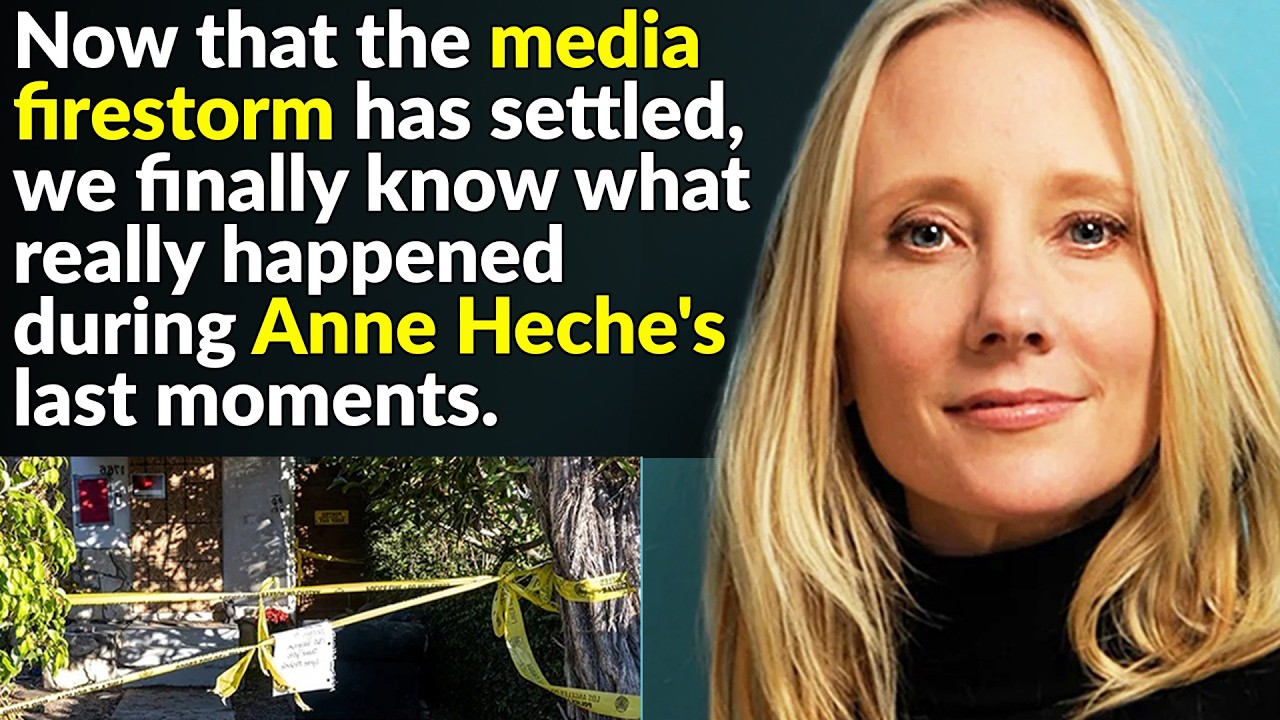
The final moments of Anne Heche’s life were a chaotic, fiery inferno that mirrored the inner turmoil she had battled for decades. On August 5, 2022, the Emmy-nominated actress drove her Mini Clubman at high speed into a Los Angeles home, plowing 30 feet into the structure and trapping herself inside. Within moments, her car erupted in flames, engulfing the entire collapsing residence. It took nearly 60 firefighters 45 minutes to pull her from the wreckage. By then, she had suffered severe burns and smoke inhalation. She was seen on camera sitting up on a stretcher, fighting against paramedics and restraints, before losing consciousness forever. Nine days later, she succumbed to her injuries. But the crash was not an isolated incident. It was the tragic culmination of a life haunted by demons far greater than the public ever knew. Anne Heche was born on May 25, 1969, in Aurora, Ohio, to Nancy and Donald Joe Heche. To the outside world, the Heche family appeared to be a picture of fundamentalist Christian piety. But behind the front door, a much darker reality festered. Donald Joe was a man of failed get-rich-quick schemes, forcing the family to move constantly. Wherever they went, his demons followed. Heche later recalled a time when her family was knocked out of their home and forced to live in a single bedroom in the home of a generous church family. As a pre-teen, she took a job waiting tables at a dinner theater just to make ends meet, dreaming of the day she would be on stage. That dream would come true, but only after surviving a childhood that left scars no amount of fame could heal. Tragedy struck the Heche family when Anne was just 13 years old. Her father died from complications of AIDS. Heche knew exactly how her church choir-directing father contracted the illness. In fact, she knew all of his deepest secrets. Years later, on an episode of Larry King Live, she told the world that her father had been a closeted gay man. He was a very promiscuous man, she said, and we knew his lifestyle. But the tragedy did not stop there. Just three years after her father’s death, her 18-year-old brother died in a violent car crash, a chilling omen of her own fate. Heche needed a way to escape her tragically fractured family. At 16, a talent scout spotted her on stage during a school play and whisked her off to New York City to audition for As the World Turns. She nailed it. But her mother, deeply religious, forced her to finish high school first. At 18, Heche was free. She called the scout and said, Send me the ticket. I’m going on the plane. I did my time with my mom in a one-bedroom skanky apartment, and I was done. Heche entered Hollywood with a splash, landing a recurring role on Another World playing identical twins. Her performance was so great that she earned an Emmy nomination. But after that success, she struggled to find larger roles until 1997’s Donnie Brasco, where she starred alongside Johnny Depp. The film’s writer said there should have been more Anne Heche in the script. But during that time, something strange was happening inside her mind. In her 2001 memoir, Call Me Crazy, Heche wrote that she began hearing the voice of God. The voice told her about an alter ego named Celestia, and that she was the physical incarnation of God himself, as well as the reincarnation of Jesus. Her divine mission was to enlighten all mankind. Despite this internal dialogue, her career was taking off. In 1998, she was set to star alongside Harrison Ford in 6 Days, Seven Nights. But Touchstone Pictures fired her before filming began. The reason was not her claims of being a divine being. It was because she had appeared on the red carpet with Ellen DeGeneres as more than just a friend. The studio believed her new lesbian relationship made her unmarketable. Harrison Ford vehemently disagreed and demanded the studio hire her back, which they reluctantly did. But the damage was done. Major studios blacklisted Heche for being half of the world’s first gay super couple. Heche’s love life was even more complicated than the public realized. While she was officially dating DeGeneres, rumors spread that her passions lay elsewhere. On the sets of Return to Paradise and Psycho, co-stars reported that Heche and Vince Vaughn were inseparable. They allegedly enjoyed passionate love-making sessions in their trailers and flaunted their relationship openly, holding hands on set and leaving wrapped around each other. One night, they were dirty dancing at the Redeye Grill. Heche later confessed that she was not even certain she was gay. I’m a whole different thing, she said. I don’t even know what I am. While still with DeGeneres, she agreed to direct a documentary about the comedian’s stand-up tour. During filming, she fell in love with the cameraman, Coleman Laffoon. In her memoir, she made a shocking confession. She claimed she had been insane for her entire life up to that point. Following her breakdown and career troubles, Heche seemed to come back around, but only because she had faced her demons, one in particular. As an adult, Heche strayed from her strict religious upbringing to heal her childhood traumas. She returned to Reichian body psychotherapy and psychedelic therapy. But nothing could prepare her for the painful memories that came rushing back. On Larry King Live, she finally revealed that childhood trauma had been driving her crazy all these years. She claimed that her father, Donald Joe, had forced himself on her repeatedly. She had the evidence to prove it. In an interview with The Advocate, a journalist asked why a gay man would force himself on a girl. Heche responded, I don’t think he was just a gay man. I think he was deviant. My belief was that my father was gay and he had to cover that up. She explained that to escape the trauma, she created a fictional world in her head called the fourth dimension. Celestia was the alter ego who kept her safe from harm. The revelations in her memoir helped heal her childhood wounds, but they destroyed her family. Her mother refused to believe the accusations. Heche recounted a time she presented her mother with evidence of her father’s predatory behavior, a venereal disease. Instead of taking her to a doctor, her mother told her it was just a bad diaper rash. But diaper rashes do not usually have oozing sores. Her mother fired back in a candid internet forum, calling the allegations lies and blasphemies. The mother-daughter duo never reconciled. Heche’s sister also cast doubt, saying that Anne herself had expressed doubts about the accuracy of such memories. But Heche defended her allegations, saying her mother’s focus on converting gay people to straight was a way to keep the pain of the truth out. Heche found another way to process her trauma. She wrote and starred in a short film in which she portrayed an adult entertainer with Bible verses etched on her body. She called it a metaphor for my life as I saw it. Throughout the 2000s, she continued exercising her demons through storytelling. It seemed to be working. She married Laffoon and settled into a quiet family life. But her married bliss did not last. She met actor James Tupper on the set of Men in Trees in 2006. Despite being a light-hearted romantic comedy, the series spelled doom for two marriages. Both Heche and Tupper began divorce proceedings shortly after the series began. Heche’s mental health really fell apart. The co-stars wasted no time breaking off their marriages to start their own relationship. Heche had to pay Laffoon over $500,000 for the privilege of leaving him. She raised eyebrows again in the 2009 film Spread, which featured heavily intimate scenes with Ashton Kutcher. Heche was well past the point of feeling ashamed of her body. She said, I certainly can say I’ve gone further in this movie than I ever have before. Why didn’t I do this when I was 22? Heche did her best to rehabilitate her career. She appeared in several television shows and frequently starred in small projects alongside Tupper. She made stage appearances and became a favorite among critics in the indie film circuit. While promoting her latest project, Catfight, she appeared on Doug Benson’s podcast. Everything started out fine until her eccentricities got both her and the director booted off the show mid-stream. Her tumultuous career came to a tragic and unexpected end in early August 2022. She was driving her Mini Clubman through the streets of Los Angeles. For unknown reasons, she drove headlong into someone’s garage. She then reversed and fled the scene. Later that same afternoon, she was involved in another hit-and-run, driving her car into a Jaguar without stopping. The driver of the Jaguar was not injured. Heche’s out-of-control vehicle next appeared on someone’s doorbell video in a quiet residential street. Her car exited the frame at high speed just before the muffled sound of a terrible crash. She had driven at full speed into someone’s home, plowing 30 feet into the building and trapping herself inside. Moments later, her car caught fire, and the spreading flames soon engulfed the entire collapsing structure. Firefighters responded quickly but initially had no idea anyone was inside. By the time they got to Heche, it was too late. It took a team of nearly 60 firefighters 45 minutes to pull her from the blazing wreckage. She had sustained severe burns and smoke inhalation. Camera footage showed her sitting up on the stretcher, fighting with paramedics and against her restraints. Shortly after, she lost consciousness and never regained it. Nine days later, she succumbed to her injuries. People wonder why I am so forthcoming with the truths that have happened in my life, Heche once said. And it’s because the lies that I have been surrounded with and the denial that I was raised in, for better or worse, bore a child of truth and love. She is survived by her two sons. The demons that stalked her from childhood to her final moments were far greater than anyone knew. They were the ghosts of a father who betrayed her, a mother who denied her, and a mind that fractured under the weight of it all. Anne Heche’s life was a battle against those demons, and in the end, they won. But her story, raw and unflinching, remains a testament to the truth she fought so hard to tell.

24 August 2026

Sandra Bullock’s Adopted Son Transformation is Turning Heads.

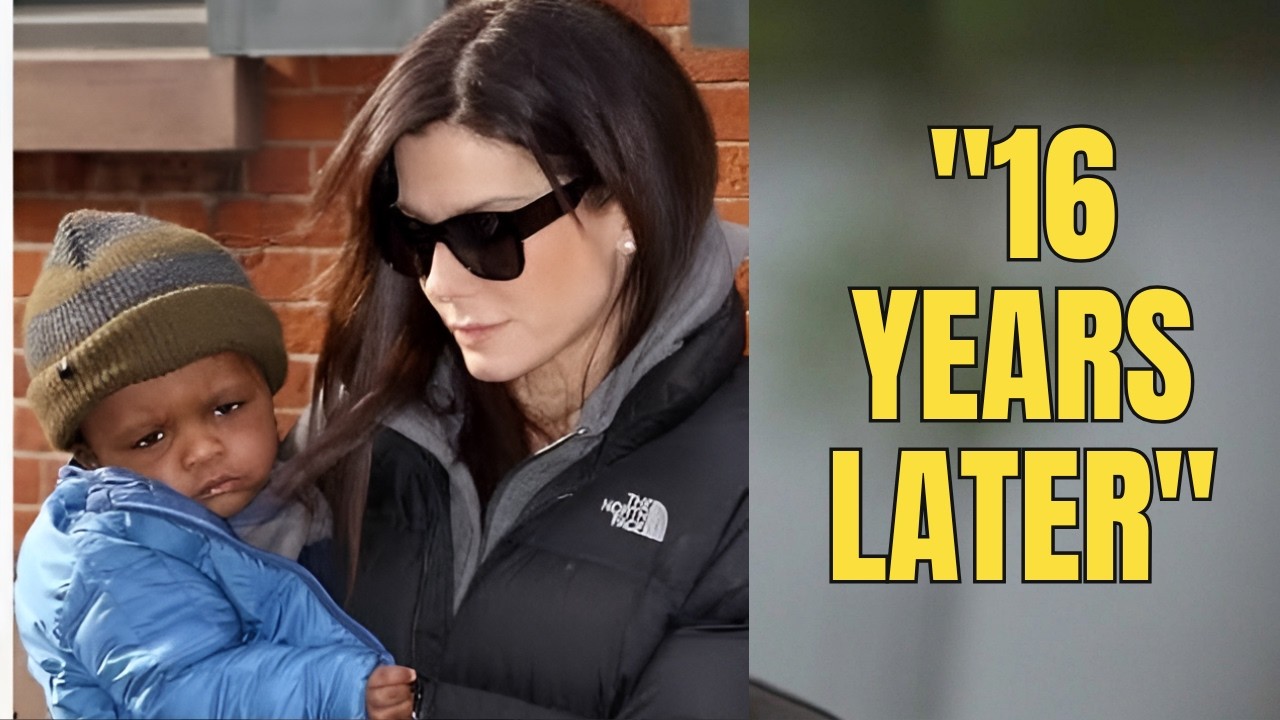
The quietest revolution in Hollywood has not been a box office record or a streaming deal, but a single mother’s decision to walk away from the spotlight at the very peak of her power, and the transformation of her adopted son, Louis Bardo Bullock, is now turning heads for reasons no one could have predicted. Sandra Bullock, once the highest-paid actress in the world, an Oscar winner, and a box office titan, has spent the last sixteen years meticulously dismantling her public persona, piece by piece, year by year, to build something far more enduring: a family. And now, as Louis approaches his sixteenth birthday, the world is getting its first real glimpse of the man he is becoming, a quiet, steady presence who has reportedly become the emotional anchor of the Bullock household in the wake of devastating loss. The story of how we got here is not one of scandal or a rival pushing her out, but of a deliberate, almost surgical choice. At the height of her career, after winning the Academy Award for Best Actress for The Blind Side in 2010, Bullock was also privately navigating the collapse of her marriage to Jesse James. It was a period of intense public scrutiny and private pain. Yet, in the middle of that noise, she was quietly completing the adoption of a baby boy from New Orleans, a child born prematurely who had spent his first months fighting for survival in a hospital with no family able to claim him. She named him Louis Bardo Bullock. Friends who knew her at the time say something fundamental shifted in her the moment she became his mother. The awards, the divorce headlines, the decades of chasing the next role, all of it suddenly seemed to matter less. What mattered was a small boy who needed someone in his corner, and Bullock decided, without hesitation, that she would be that person. She did not announce the adoption with a magazine cover or a red carpet reveal. She simply started living differently. She turned down major studio offers that a few years earlier would have been impossible to refuse. She drastically reduced her workload, organizing her entire life around early morning feedings, doctor’s appointments, and being physically present for a child who had already lost so much before he could even talk. It was not a temporary adjustment. It became who she was. In the rare interviews where she discussed it, she spoke of how becoming a mother changed her more deeply than any role or any award ever had. She made a conscious, deliberate decision to shield Louis from the industry that had made her famous, no staged photo shoots, no carefully curated social media posts, no magazine spreads selling glimpses of their life together. She wanted him to grow up knowing he was loved for exactly who he was, not for whose child he happened to be. Five years later, in December 2015, Bullock told People magazine she had done it again. She had adopted a second child, a little girl named Laila, who had also come through the foster care system in Louisiana. Laila was three years old at the time of the adoption. The process was not simple or quick, involving careful coordination with child welfare specialists, home evaluations, and transitional planning. Bullock worked through all of it with the same privacy she had maintained since Louis first came into her life. By that point, Louis was five years old, and according to people close to the family, he was the one who first expressed wanting a little sister, well before Bullock had said anything to him about the adoption in progress. From the very beginning, the bond between brother and sister formed naturally. Bullock has described Louis in the years since as something like the quiet leader of their small family unit, a boy who took to the role of older brother with a gentleness that seemed to come from somewhere deeper than his years. For Bullock, this growing blended family became the actual center of her life in a way her career, for all its success, never quite had been. She had spent decades chasing achievement on screen. What she found instead, almost by accident and then very much on purpose, was something far more grounded, a family built not by blood but by choice, timing, and an enormous amount of intention. She split her time between homes in Los Angeles and Austin, deliberately building a slower, calmer environment where a little boy could simply be a little boy without an audience. For years, the public only caught rare, fleeting glimpses of him. But everyone who knew Bullock personally during that stretch described a genuine, visible change in her. The driven, occasionally guarded actress people had worked with for two decades had softened. She laughed more easily. She worried less about box office tracking and more about ordinary things, bedtime routines, first days of school, the small logistics of raising a child. During this stretch of her life, Bullock was also quietly building a relationship with photographer Bryan Randall. Over time, he became a steady, calming presence for both Louis and Laila, not a tabloid boyfriend cycling in and out of headlines, but by every account a genuine, consistent partner in raising both children. Bullock and Randall reportedly shared the same core instinct, protect the kids’ privacy at almost any cost, and give them a childhood built around love rather than fame or public attention. For a long stretch of years, that is what the Bullock family’s life looked like from a distance, quiet, deliberately unremarkable, almost entirely out of the public eye. Bullock had once been the highest paid actress in Hollywood. Now, by her own account, she was simply mom, and by every indication, she had never been happier or more settled. That does not mean her career disappeared entirely during these years. It just stopped being the organizing principle of her life. She still worked selectively, choosing projects that fit around her children rather than around a studio’s release calendar. In 2013, she starred in Gravity, an ambitious, technically groundbreaking film about an astronaut fighting to survive after a catastrophic accident leaves her stranded in orbit. The film earned her a second Academy Award nomination and reminded audiences, once again, that she was capable of far more than the genres she built her early career on. She continued working in bursts across the following years, Bird Box in 2018, a survival thriller that became one of the most watched original films on Netflix at the time of its release, Ocean’s Eight the same year, an ensemble heist film that let her lead an all-star cast without carrying the emotional weight of the story alone, and The Unforgivable in 2021, a quieter, more dramatic role about a woman rebuilding her life after prison. None of these projects demanded the all-consuming schedule of her twenties and thirties. Each one was chosen carefully, worked into a life that had already been rebuilt around Louis and later Laila. By 2022, after The Lost City, a comedic action film opposite Channing Tatum, Bullock had begun stepping back even further, taking longer breaks between projects than at any other point in her career. At the time, most assumed it was simply an actress in her fifties choosing to slow down after decades of nonstop work. Few people outside her closest circle knew that the slowdown was about to become something far more significant. Then in early 2023, everything changed again. Bryan Randall, Bullock’s partner of nearly eight years, was diagnosed with ALS, amyotrophic lateral sclerosis, a progressive and currently incurable disease that attacks the nervous system’s ability to control muscle movement. The diagnosis was kept almost entirely private at first, which meant that for a stretch of time, much of the public had no real explanation for why Bullock, who had already started stepping back from acting, had simply gone quiet. She was not between projects waiting for the right script. She was standing beside the man she loved as he faced a disease with no cure, while simultaneously trying to hold together a stable, loving home for two children who were watching their world shift in real time. She turned down every new offer that came her way. She cleared whatever remained of her professional calendar. There was no ambiguity in the decision and no hesitation in how she made it. For the better part of a year and a half, Bullock’s entire world narrowed down to caregiving for Randall and for Louis and Laila, both of whom needed her in very different ways during that stretch. People close to the family have described that period as one of extraordinary devotion carried out almost entirely without public acknowledgement. While outside observers speculated about why Sandra Bullock had disappeared from the industry again, she was at home doing the exhausting, unglamorous, deeply human work of loving someone through a terminal illness while trying to protect two children from carrying more weight than kids should have to carry. ALS is one of the cruelest diagnoses a family can receive precisely because of how it progresses. It does not take someone all at once. It takes them gradually, piece by piece, first the fine motor control, then larger movements, eventually speech and the ability to breathe unassisted, while leaving cognition almost entirely intact for most of the disease’s course. That means the person is fully present, fully aware for nearly the entire decline. For the family around them, it means grieving in slow motion, watching someone you love lose physical capability week after week while their mind, their humor, their presence in the room stays exactly the same. There is no version of caring for someone through that process that is not exhausting in ways most people never have to learn first hand. Bullock chose to do it anyway, fully, without outsourcing the hardest parts, while also parenting two children who were old enough to understand that something was deeply wrong. Bryan Randall passed away in August 2023. It is difficult to overstate what that loss meant, not just for Bullock, but for the entire family unit they had built together over nearly a decade. Louis, who was thirteen at the time, reportedly stepped into a role that no child that age should have to take on. He became, by multiple accounts from people close to the family, a genuine source of steadiness for his mother during the hardest stretch of grief, and a gentle, patient presence for his younger sister as she processed the loss in her own way. Friends have said that the bond between Bullock and her son deepened significantly in the aftermath of Randall’s death, not because either of them wanted that particular catalyst, but because grief, when it is shared honestly inside a family, tends to either fracture people or draw them closer together. In this case, by every indication, it drew them closer. Louis was described as unusually emotionally present for a thirteen-year-old, offering the kind of steady, uncomplicated support that suggested he had absorbed, over years of being loved carefully himself, exactly how to offer that same care back. By 2026, both children had grown considerably older within the protective bubble Bullock had spent well over a decade building around them. Louis turned sixteen. Laila, several years younger, had grown into her own distinct personality alongside him. Neither of them has grown up in front of cameras in any meaningful sense. No reality show, no branded social media presence, no carefully staged public appearances designed to generate headlines. That absence of a public narrative is not an accident or a missed opportunity. It is the entire point. It is arguably the single most consistent decision Sandra Bullock has made across sixteen years of parenting, that her children’s privacy matters more than any story the public might want told about them. And now, as Louis enters his sixteenth year, the transformation is turning heads not because of a dramatic change in appearance, but because of the quiet, steady, resilient young man he has become, a direct reflection of the woman who chose him. The question a lot of people in and around the industry have started asking again in 2026 is whether Bullock will actually come back to acting in a significant way. There is quiet, unconfirmed chatter that she has started reading scripts again, not with the urgency of someone chasing her next big role like in her twenties or thirties, but with the calm, selective patience of someone who has nothing left to prove and no reason to say yes to anything that does not genuinely interest her. The project generating the most excitement among fans is a long-rumored sequel to Practical Magic, the 1998 film that has quietly grown into a cult favorite in the decades since its release. Speculation persists that Bullock could return as Sally Owens alongside Nicole Kidman, more than a quarter century after the original. Nothing has been formally confirmed by either actress or by the studio, but the idea alone has been enough to generate real momentum online among long-time fans of the film. There is also softer, even less confirmed talk of a potential reunion with Keanu Reeves, her co-star from Speed almost thirty years ago now. The two have remained publicly friendly in the years since, and sources close to both have suggested the idea of working together again has at least come up in conversation, though nothing concrete has moved beyond speculation. But everyone who actually knows Bullock well says essentially the same thing when asked about a potential comeback. Whatever she decides to do next will be filtered through the exact same priority that has guided nearly every decision she has made since 2010. Louis and Laila are not a subplot in her life that she occasionally has to work around. They are, by her own repeated framing over the years, the actual center of it. Any role she takes going forward will need to fit into a life built around remaining present for them, not the other way around. At sixty-one years old, Sandra Bullock has already had the kind of career most actors spend an entire life chasing and never quite catch, box office records that held for years, an Academy Award, decades of consistent audience goodwill that very few stars managed to maintain across that many decades of shifting public taste. But ask the people closest to her what she considers her defining achievement, and none of them mention a film. They talk about a woman who looked at a baby with no family standing behind him and decided, without needing anyone’s permission or approval, that this was the story she actually wanted to spend her life telling. And then, five years later, did it again for a little girl who needed the exact same thing. She did not just survive two decades of Hollywood’s relentless pace, a painful public divorce, and the devastating loss of a partner to a terminal illness. She built something quieter and, in a lot of ways, far harder to build than a successful film career, a genuinely stable, loving home for two children who started life with none of that guaranteed to them. It is worth thinking about what that actually required of her year after year when no one was watching. It is one thing to make a single dramatic decision to adopt a child, to step back from a role, to turn down a script. It is another thing entirely to keep making that same decision quietly and repeatedly for sixteen consecutive years, long after the initial moment of sacrifice has stopped generating any attention or credit. Nobody applauds a parent for showing up to school pick up. Nobody writes headlines about a mother choosing a quiet Tuesday at home over a film premiere for the four hundredth time. That kind of consistency does not photograph well, and it does not translate, but it is arguably the hardest, most demanding role Sandra Bullock has ever taken on. And she has been performing it without an audience for longer than most of her famous films have even existed. There is also something worth noting about the specific children she chose to raise. Both Louis and Laila came into her life through the foster care and adoption systems, arriving with histories that included real instability, real uncertainty, real absence of the kind of unconditional safety most children take for granted. Bullock did not choose an easier version of parenthood. She chose two children who needed more than almost anything else to know that someone was not going anywhere. And then she spent sixteen years proving exactly that, day after ordinary day. There is a version of this story that is easy to tell in a purely sentimental way, the movie star who found her real purpose in motherhood, the fairy tale ending where love conquers fame. That version is not wrong exactly, but it flattens something important. Sandra Bullock did not stumble into this life by accident, and it was not easy or clean the way a highlight reel makes it look. She built it on purpose, decision by decision, often in the middle of some of the worst weeks of her adult life, finalizing a painful divorce while adopting a newborn with no family, winning the biggest award of her career while quietly reshaping her entire future around a child the public did not know existed yet, holding a family together through a terminal illness while cameras speculated about nothing more than why she had gone quiet. None of that is glamorous. All of it is real. And there is something worth sitting with in how consistently she has protected her children, specifically from becoming part of her public story. In an era where celebrity families are often treated as ongoing content, birthdays turned into posts, milestones turned into headlines, kids growing up with an audience watching every stage of it, Bullock made the opposite choice from day one and never wavered from it. Even when doing so would have been easy. Even when the public appetite for glimpses of her family only grew over the years. Louis and Laila have been allowed to simply be kids, not characters in their famous mother’s narrative. That is not a small thing to maintain for sixteen years in an industry built almost entirely on visibility. So the question worth asking is not really whether Sandra Bullock will return to acting this year, or whether Practical Magic 2 actually happens, or whether that Keanu Reeves reunion is more than just industry chatter. Those are fun things to speculate about, and there is nothing wrong with hoping for them. But the more interesting question is the one she has already answered over and over again for sixteen years straight. When given the choice between the spotlight and her family, which one does she choose? She has never once picked the spotlight. And now, as Louis Bardo Bullock steps into his own story, the transformation that is turning heads is not just his, but the quiet, enduring legacy of a mother who chose him first.

24 August 2026

Margaux Hemingway’s End Was An American Tragedy

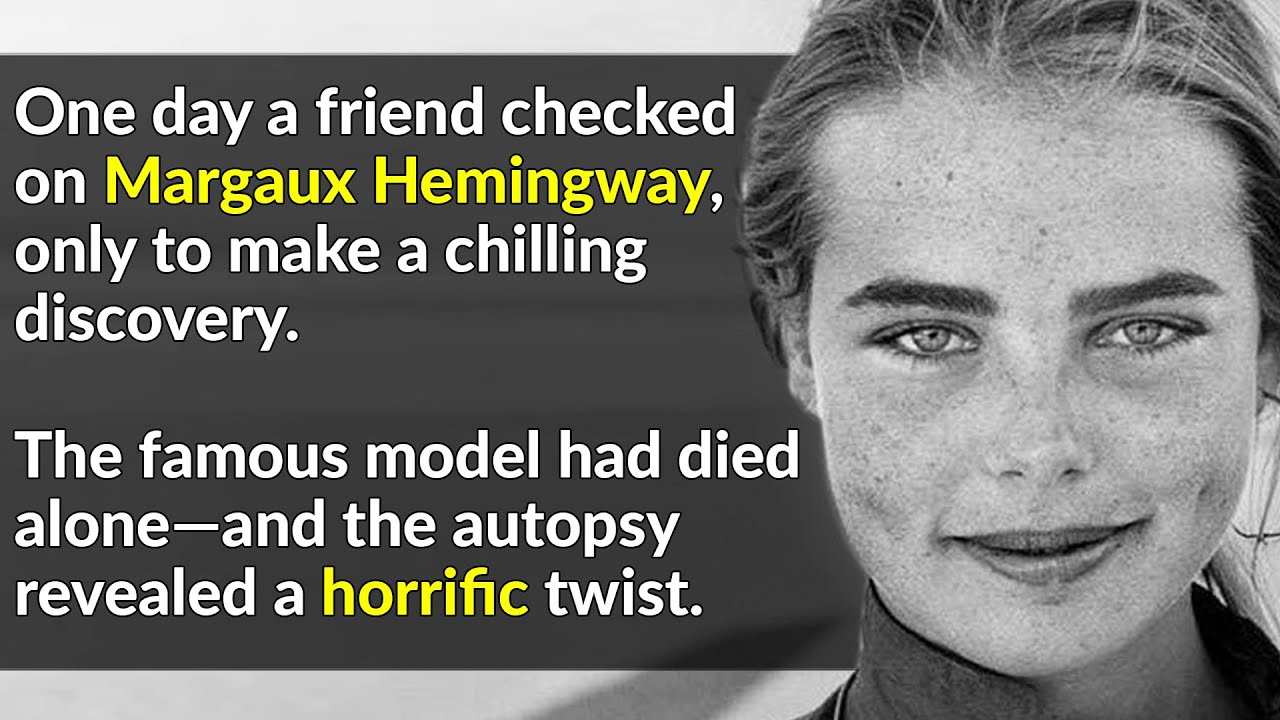
The body of Margaux Hemingway, the 41-year-old supermodel and actress who once commanded the covers of Vogue and redefined beauty in the 1970s, was discovered in her Santa Monica apartment on July 1, 1996, marking the latest and most devastating chapter in what has long been whispered as the Hemingway curse. Her friend, Judy Stabile, … Read more

24 August 2026

At 50, Kate Winslet Just Revealed Her True Feelings For Leo DiCaprio

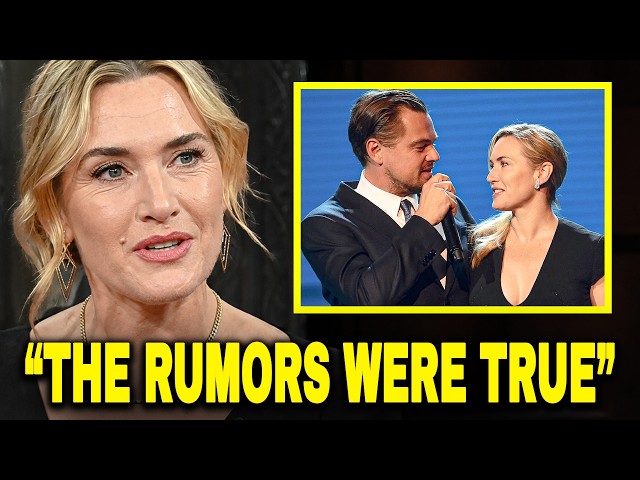
Kate Winslet, now 50 years old, has finally spoken with raw honesty about her decades-long bond with Leonardo DiCaprio, shattering the romantic fantasies that have haunted fans for nearly 30 years. In a candid revelation that has stunned the entertainment world, Winslet admitted that the chemistry audiences adored on screen was never mirrored in real life, describing the thought of a romantic relationship with DiCaprio as almost incestuous. The confession came during a reflective interview where she discussed her journey from a struggling childhood in Reading, England, to becoming one of Hollywood’s most revered actresses, and how her connection with DiCaprio has always been something far deeper than love. Winslet’s admission was not a confession of hidden passion but a declaration of a friendship that has outlasted marriages, careers, and the relentless glare of fame. She explained that the instant connection she felt when they first met on the set of Titanic was not romantic but familial, a bond built on mutual trust and the ability to act like goofy kids between takes. She even recalled tickling him and jokingly grabbing his backside, behavior that might look flirtatious to outsiders but was simply the ease of two young people who had found a kindred spirit. For Winslet, the idea of them dating was absurd because their bond felt more like family than romance, a sentiment she has repeated over the years with a laugh. The actress’s journey to that moment of clarity began long before Titanic, in a household where money was tight and her father took laboring jobs to support the family. Born on October 5, 1975, in Reading, Winslet was raised by parents who valued creativity over cash, and she started performing in school plays at age five. By 11, she had enrolled at Redroofs Theatre School, where she began auditioning for professional work, but financial pressure forced her to leave at 16. She worked at a delicatessen while pursuing acting gigs, a stark contrast to the glamorous life she would later lead. That struggle taught her resilience, and it was that same grit that pushed her to fight for the role of Rose in Titanic when director James Cameron initially had doubts. Cameron initially considered other actresses for Rose, worried that Winslet’s reputation as a period drama star might make her casting predictable. But Winslet was relentless, and when they finally met, she convinced him she could bring something completely different to the character. Across from her, DiCaprio faced his own hurdle, nearly walking away when Cameron insisted on a screen test. The actor reportedly pushed back, but Cameron was blunt, telling him he was not interested in wasting two years on the wrong casting decision. DiCaprio eventually agreed, and the chemistry that unfolded in that test was undeniable, confirming to Cameron that his two leads were set. When Titanic exploded into theaters in December 1997, it became a global phenomenon, earning over $2 billion and winning 11 Academy Awards. For Winslet, then just 22, the success came with a brutal price. She was suddenly a household name, and the media turned her appearance into a public debate. Tabloids criticized her weight, and she faced relentless body shaming, with even her agent receiving calls asking how much she weighed. She recalled feeling pressured to look a certain way and described the scrutiny as bullying, far beyond what a young person should have to handle. DiCaprio faced his own pressure, becoming a global heartthrob overnight, but he used his newfound power to take on riskier roles, turning away from the romantic leads Hollywood wanted him to play. For nearly three decades, fans have speculated about a secret love story between the two, fueled by their emotional reunions and the way they speak about each other. Winslet has always dismissed the rumors, but her latest confession is the most direct yet. She said that the reason their friendship worked was precisely because there was never a romantic element, acknowledging that it might disappoint those who wanted the real-life version of the Titanic love story. Instead, she described a bond that is, in many ways, more meaningful, a trust that has survived fame, marriages, and the passage of time. Leonardo has echoed that sentiment, calling her one of his dearest friends and emphasizing the ultimate trust they share. The honesty of her revelation has left the entertainment world reeling, not because it confirms a hidden romance but because it proves that something even rarer exists. Winslet and DiCaprio never needed to fall in love to love each other deeply, and their bond has lasted precisely because it was never built on fantasy. As Winslet continues to reflect on her career and the relationships that have shaped it, she remains grateful for the friendship she found with DiCaprio. It is a connection that has outlasted the cruel scrutiny of fame, the pressure of being young stars, and the endless speculation about what they might have been. Instead, they are simply two people who have chosen each other as family, and that, perhaps, is the most powerful story of all.

24 August 2026

What Happened To Shelley Duvall?

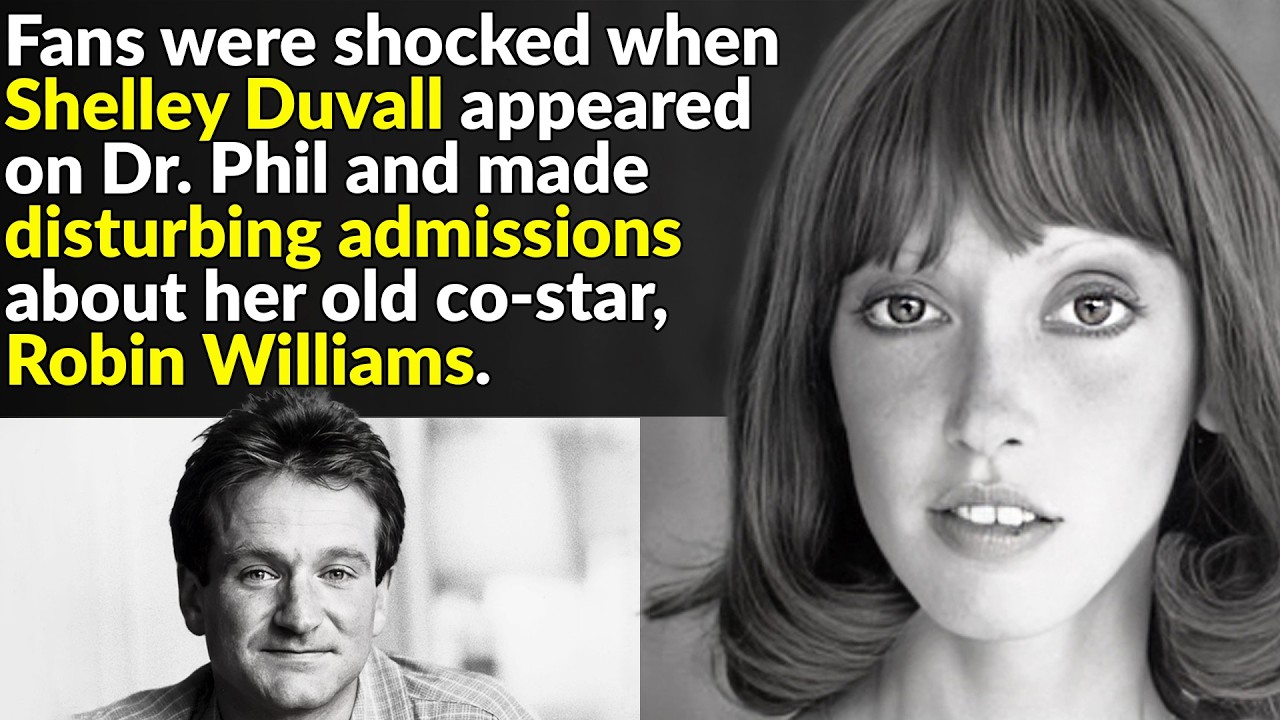
Shelley Duvall, the iconic actress whose ethereal presence and quirky charm defined a generation of cinema, has died at the age of 75 due to complications from diabetes, leaving behind a complex legacy of brilliance, trauma, and a hauntingly public battle with mental health. The news broke in July 2024, sending shockwaves through Hollywood and the global fan community who had long wondered what happened to the star of “The Shining” and “Fairy Tale Theater.” Duvall’s passing was confirmed by family members, who requested privacy during this difficult time, but the outpouring of tributes from writers, directors, and fellow actors has already begun, underscoring the profound impact she had on the film industry. Her death marks the end of a tumultuous journey that saw her rise to fame, endure psychological torment on set, vanish from the public eye, and then reappear in a deeply disturbing television interview that raised more questions than answers. Duvall’s story began in Fort Worth, Texas, where she was born on July 7, 1949, to parents who were real estate brokers and cattle auctioneers turned lawyers. She was an artistic child, bursting with energy that often left chaos in her wake, earning her the nickname “Manic Mouse” from her mother. Despite her entertaining personality, Duvall never considered a career in entertainment, initially pursuing science with dreams of becoming a researcher. But a gruesome moment in biology class, where she was forced to observe a vivisection of a monkey, shattered her resolve. Her gentle heart and stomach could not take it, leading her to abandon science for nutrition and diet therapy at South Texas Junior College. She then worked as a cosmetics saleswoman and model, leading a quiet life until a chance encounter in 1970 changed everything. That year, Duvall married artist Bernard Samson and threw a party to showcase his work. Three crew members from director Robert Altman’s film “Brewster McCloud” attended, not for the art, but for Duvall herself. Fascinated by her unique look, boundless energy, and hyper enthusiasm, they devised a plan to introduce her to Altman and producer Lou Adler under the guise of art patrons. Duvall collected paintings and presented them to the group, but Altman and Adler cared little for the artwork. They were captivated by her, dropping the ruse to ask if she wanted to be in a movie. Despite her misgivings, she posed for a Polaroid and gave them her contact details, unaware of what she was in for. For the next six or seven years, Duvall worked almost exclusively with Altman, becoming one of his favorite collaborators. Her quirks, effervescent personality, and unique looks endeared her to audiences, but her marriage to Samson collapsed as her fame grew, ending in divorce in 1974. To advance her career, Duvall took acting lessons at the famed Actor’s Studio in New York, but she found the approach too analytical and technical, preferring her freewheeling spirit. Her instincts were right; she was a natural in front of the camera. Her breakout performance came in 1977’s “Three Women,” another Altman film where she was allowed to ad lib most of her lines and even write her character’s diary entries. Film critic Andrew Sarris of the Village Voice compared her to a young Katharine Hepburn, and she won the Best Actress award at the 1977 Cannes Film Festival. Shortly after “Three Women,” Duvall met singer-songwriter Paul Simon in New York, and they lived together, but it was no fairy tale romance. In a 1981 interview with Cosmopolitan, Duvall recalled her time with Simon with sadness, feeling lost, bored, and depressed despite being surrounded by sophisticated, glamorous people. She gave up several career opportunities for Simon, including a role from Altman that caused a rift in their friendship. Realizing she could not continue living like this, she introduced Simon to her close friend Carrie Fisher, and the two hit it off. Duvall then gave a tearful goodbye to Simon at the airport and headed off to star in Stanley Kubrick’s “The Shining.” Her performance as Wendy Torrance in 1980’s “The Shining” would become one of her most enduring roles, but it came at a terrible cost. Kubrick wanted the best possible performance from her and pushed her past her breaking point. He isolated her on set from co-stars, and Jack Nicholson claimed Kubrick picked on her more than anyone else, often losing his temper and berating her. Duvall revealed that filming was grueling, six days a week, 12 to 16 hours a day, with only half an hour for lunch, for a year and one month. The role demanded she be in hysterics all the time, and she often ran out of tears, walking around with a bottle of water to stay hydrated. Kubrick did not allow anyone on set to come to her aid when he pushed her to her limits or beyond. In the documentary “Arena: Making The Shining,” Kubrick’s daughter Vivian said the director wanted Duvall to feel utterly hopeless. The infamous baseball bat scene required 127 takes, the most for any scene in film history, to exhaust her completely. The stress took its toll; Duvall complained of nervous exhaustion and physical illness, and she was shedding her hair in clumps. After filming wrapped, she went to Kubrick with the hair that had fallen out because of how he treated her. Despite her suffering, she did not receive praise from critics or audiences; she was nominated for a Golden Raspberry for Worst Actress, though the co-founders later retracted the nomination after learning what she endured. Duvall still liked and respected Kubrick, and he was impressed by her performance in the final film. After “The Shining,” Duvall teamed up with Altman again for the 1980 film “Popeye,” playing Olive Oyl, a role she was born to play. In grade school, classmates had teased her and called her Olive Oyl. Critics panned the film, but they heaped praise on Duvall, with Roger Ebert writing that she was like a precious piece of china with a tinkling personality. Duvall learned to love Olive Oyl and embrace their similarities, feeling she had more depth than any character she had ever played. She then switched gears, spending more time behind the camera producing and narrating children’s and young adult shows. In 1989, she met her longtime boyfriend Dan Gilroy, and she imagined a life far from Hollywood. A devastating earthquake in 1994 rocked her Los Angeles home, prompting Duvall to return to her home state of Texas. By 2002, she had all but stopped working in the film and TV industry, disappearing from the public eye. But when she finally reappeared, her fans barely recognized her. In 2016, Duvall agreed to appear on an episode of “Dr. Phil” about mental health, but she became the subject of the interview. During the show, a remarkably aged and unrecognizable Duvall made outlandish claims that had fans everywhere concerned. She claimed that her “Popeye” co-star Robin Williams, who had died two years earlier, was still alive and shape-shifting. She also stated that aliens had placed implants in her leg, that she was afraid of the Sheriff of Nottingham, and that hornets had attacked her spinal cord. The shocking interview left audiences aghast, and the show received a flood of negative feedback. Duvall’s fans criticized the show for exploiting her at a vulnerable time. Vivian Kubrick, who had seen her suffering on the set of “The Shining,” rushed to her defense. Something good did come out of the appearance; acclaimed director Lee Unkrich had been searching for Duvall for years to complete a book on the making of “The Shining.” Thanks to her reappearance, he tracked her down to a small town in Texas Hill Country. When he found her, Unkrich showed Duvall pictures from the set, and to his surprise, she was lucid and not at all how she had seemed on “Dr. Phil.” She could converse for long coherent stretches and conjure up the slightest detail about her life and career, remaining proud of her accomplishments. In October 2022, Duvall announced she was ending her 20-year retirement, making a comeback in the independent horror film “The Forest Hills.” She died in July 2024 due to complications from diabetes. The outpouring of tributes from writers, directors, and her fellow actors showed that despite her long absence, nobody had forgotten about Shelley Duvall. Her work lives on, still being discovered by new generations and still being poured over by those who consider her performances to be the stuff of legend. The circumstances of her final years, marked by a disturbing public breakdown and a quiet resurgence, remain a poignant reminder of the fragility of fame and the human spirit. Her legacy is not just in the films she made, but in the conversations she sparked about mental health, exploitation, and the price of art.

23 August 2026

When Hollywood Legends were asked about Clint Eastwood

The legend of Clint Eastwood, a man who has shaped American cinema for over six decades, is not built on grand speeches or endless takes, but on a quiet, almost dismissive efficiency that has left an indelible mark on every actor and director who has ever shared a set with him. At 96, he remains … Read more

23 August 2026

Vanna White Finally Tells the Truth About Her and Pat Sajak’s Relationship

For more than four decades, Vanna White has been a silent fixture beside Pat Sajak on Wheel of Fortune, her sequined gowns and graceful turns of letters masking a life of profound grief, rejection, and resilience. In a raw and unprecedented interview released today, the 67-year-old icon has finally broken her silence, revealing the truth about her relationship with Sajak, the hidden pain behind her smile, and the devastating losses that shaped her. The confession comes as a seismic shock to millions of fans who have watched the duo spin puzzles since 1982, but White’s words paint a portrait far removed from the glittering set of America’s most beloved game show. White began by dismantling the decades-old speculation of a romantic affair with Sajak, a rumor that has dogged the pair since their earliest days together. “People constantly wondered if there was something romantic between us,” she said, her voice steady but heavy with emotion. “The truth was much simpler and perhaps more meaningful. Pat became like a brother to me.” She described a bond forged not in passion, but in the quiet intimacy of shared work, thousands of hours of laughter, travel, and even petty arguments over trivial matters like ketchup on a hot dog. “That’s how close we were,” she added, her tone suggesting a deep, unbreakable trust. The revelation comes as a direct refutation of tabloid headlines that have long speculated about hidden tensions or secret trysts between the co-hosts. White’s account instead emphasizes a platonic partnership that weathered personal crises, professional pressures, and the relentless glare of public scrutiny. “We understood each other’s moods without saying much,” she explained, recalling how Sajak became a pillar of stability during her darkest hours. This bond, she insisted, was the true foundation of their on-screen chemistry, not romance. But White’s story is not just about her relationship with Sajak. It is a harrowing chronicle of loss that began long before she ever stepped onto the Wheel of Fortune stage. Growing up near North Myrtle Beach, South Carolina, in a simple family where games and time together mattered more than Hollywood, she dreamed of television but faced a brutal path to success. “I moved to Los Angeles with very little money,” she recalled. “I waited tables, went to audition after audition, and sometimes wondered whether the dream was ever going to happen.” The rejection was staggering: more than 100 commercial auditions passed without a single job. Then came the break that changed everything. When Susan Stafford left Wheel of Fortune in 1982, White auditioned, trembling with nerves. “My knees were shaking and I could barely speak,” she admitted. Even Sajak had doubts, believing another woman with more hosting experience might have been better suited. “He didn’t know then that we’d spend the next four decades together,” White said, a hint of wry humor breaking through the gravity of her narrative. She got the job, and the shy woman from South Carolina suddenly became part of one of America’s most recognizable television shows. Yet fame brought pain that White had never anticipated. In 1986, the man she loved, John Gibson, died in a tragic plane crash. She learned of his death through the news, collapsing to her knees when the truth reached her. “The worst affected me to smile,” she said, her voice cracking. “That was one of the hardest lessons of my life. Sometimes the person everyone sees on television is carrying something nobody knows about.” She had to step away from the show to grieve, but the cameras demanded she return, forcing her to mask her devastation with practiced cheer. The losses did not end there. White later experienced marriage, motherhood, and divorce, followed by another heartbreak when she lost a pregnancy. “But I kept moving forward,” she said, her tone resolute. Her children became one of the greatest joys of her life, anchoring her through the chaos of celebrity. Through it all, Sajak remained a constant, a brother-like figure who never wavered. “We worked together for thousands of hours, laughed together, traveled together, and watched our families grow,” she recalled. White also addressed the iconic dresses that have become a hallmark of her career. “It’s a different puzzle or I always have a different dress on,” she said, referencing the show’s format. “I’ve never worn the same dress twice in 30 years.” This detail, she noted, was part of the effortless illusion she and Sajak created. “For more than four decades, I stood beside Pat under the bright lights of Wheel of Fortune. To millions of people, it looked effortless. The gowns, the smiles, the jokes, the puzzles. We made it look like the easiest job in television.” But the reality, she emphasized, was far more complex. “What people didn’t see was everything that happened away from that puzzle board,” she said. The public saw a glamorous icon, but White saw a woman who had survived rejection, grief, and the relentless pressure to perform. “I wasn’t born into fame,” she reminded viewers, tracing her journey from a small-town girl to a television legend. The contrast between her humble beginnings and her glittering career underscores the resilience that has defined her life. When Sajak announced his retirement, White admitted she struggled to imagine the show without him. “After more than 40 years, we had become part of each other’s lives,” she said. Yet she chose to stay, not out of obligation, but because Wheel of Fortune had become more than a job. “It was a chapter of my life,” she explained. Her decision to continue alongside new host Ryan Seacrest has been met with mixed reactions, but White’s loyalty to the show remains unwavering. The interview also shed light on the unique dynamic between White and Sajak, which has been the subject of endless speculation. “People may remember the dresses. They may remember the clapping. They may remember the rumors about Pat and me,” she said. “But I remember something different. I remember the little girl from South Carolina who never gave up. I remember the people I lost. I remember becoming a mother. And I remember the friend who stood beside me through more than 40 years of television history.” White’s confession is particularly poignant given the timing. With Sajak’s departure and the show’s transition to a new era, her reflections offer a rare glimpse into the human cost of television fame. The game show, which has aired over 7,000 episodes, is a cultural institution, but White’s story reveals the personal sacrifices behind the spectacle. Her willingness to speak openly about her grief and her relationship with Sajak has already sparked widespread discussion among fans and industry insiders. Social media erupted within minutes of the interview’s release, with viewers expressing shock and admiration. “I never knew Vanna went through so much,” one fan wrote on X. “She’s always been the smiling face of Wheel of Fortune, but now I see the strength behind that smile.” Another added, “The truth about Pat and Vanna is even more beautiful than the rumors. Friendship that lasts 40 years is rare.” The outpouring of support underscores the deep connection audiences feel with the show and its stars. Industry analysts are already parsing White’s words for insights into the show’s future. Her decision to remain with Wheel of Fortune after Sajak’s exit signals a commitment to the franchise that could shape its next chapter. “Vanna White is the heart of the show,” one television critic noted. “Her staying on ensures continuity for millions of loyal viewers.” Yet White’s interview also raises questions about how the show will evolve without the Sajak-White partnership that defined it for decades. White’s narrative is a testament to the power of perseverance. From her early days of rejection to her rise as a television icon, she has navigated a path marked by both triumph and tragedy. “I remember the little girl from South Carolina who never gave up,” she said, her voice firm. This refrain echoes throughout her story, a reminder that her success was not inevitable but earned through grit and grace. Her honesty about her struggles humanizes a figure often seen as untouchable. The interview also touches on the broader theme of female resilience in the entertainment industry. White’s journey from a shy auditionee to a household name mirrors the experiences of countless women who have fought for visibility in a male-dominated field. Her refusal to be defined by rumors or tragedy is a powerful statement. “Pat and I didn’t need a secret romance to make our story special,” she declared. “We had something that lasted even longer. Friendship.” As the news spreads, fans are revisiting old episodes of Wheel of Fortune, searching for clues to the hidden depths White has now revealed. The show’s producers have declined to comment, but insiders suggest that White’s interview was a personal decision, not a promotional move. “She wanted to set the record straight,” a source close to White said. “After 40 years, she felt it was time to tell her own story.” White’s account of her relationship with Sajak is likely to reshape public perception of the duo. For years, their on-screen chemistry fueled speculation of a romance, but White’s description of a brotherly bond offers a more nuanced view. “We argued about something as ridiculous as ketchup on a hot dog,” she laughed, recalling the mundane moments that defined their partnership. These details paint a picture of two people who grew up together in the public eye, supporting each other through life’s highs and lows. The interview also highlights the challenges of maintaining authenticity in a scripted medium. White’s admission that she had to smile through grief is a stark reminder of the emotional labor required of television personalities. “Sometimes the person everyone sees on television is carrying something nobody knows about,” she said. This line has resonated deeply with viewers, many of whom have shared their own stories of masking pain in professional settings. White’s legacy extends beyond her role on Wheel of Fortune. She has become a symbol of grace under pressure, a woman who transformed personal tragedy into public strength. Her interview is a masterclass in vulnerability, offering a rare window into the life of a celebrity who has long guarded her privacy. “I remember the people I lost,” she said, her voice trailing off. “I remember becoming a mother.” These moments of reflection ground her story in universal human experience. The timing of White’s confession is also significant. With Sajak’s retirement and the show’s transition to a new host, the Wheel of Fortune franchise is at a crossroads. White’s decision to stay provides stability, but her interview suggests she is also looking back, taking stock of a career that has spanned nearly half a century. “After more than 40 years, we had become part of each other’s lives,” she said of Sajak. “But I stayed because Wheel of Fortune wasn’t just a television job anymore. It was a chapter of my life.” As the news cycle continues to digest White’s revelations, one thing is clear: her story is far from over. The little girl from South Carolina who never gave up is still turning letters, still smiling, still carrying the weight of her past with dignity. “Pat and I didn’t need a secret romance to make our story special,” she concluded. “We had something that lasted even longer. Friendship.” In a world obsessed with scandal, White’s truth is a refreshing reminder that the most enduring bonds are often the quietest ones. For millions of fans, White’s interview is a gift, a chance to see behind the curtain of a show that has been a staple of American life for generations. Her honesty about her relationship with Sajak, her grief, and her resilience will likely inspire countless others to share their own stories. As one viewer put it, “Vanna White just taught us that strength isn’t about never falling. It’s about getting back up, even when the cameras are rolling.” The full impact of White’s confession remains to be seen, but early reactions suggest a profound shift in how the public perceives her. No longer just the woman in the gowns, she is now a figure of depth and courage. “I remember the friend who stood beside me through more than 40 years of television history,” she said. And now, the world remembers her not just as Vanna White, but as a survivor, a mother, and a true friend.

23 August 2026

Jonathan Brandis: From Child Star To Teen Tragedy

The body of former child star Jonathan Brandis was discovered by friends in his Los Angeles apartment just before midnight on November 11, 2003, bringing a tragic end to a life that had once burned so brightly in Hollywood. Emergency responders rushed the 27-year-old actor to a nearby hospital, but medical efforts proved futile, and he was pronounced dead the following day. The news sent shockwaves through the entertainment industry, where Brandis had been a fixture since the age of two, his face gracing commercials and his name becoming synonymous with teen heartthrob status in the early 1990s. Born in April 1976 in Connecticut, Brandis seemed destined for stardom from the moment he entered the world, his open-faced charm and photogenic features capturing the attention of his parents, who began placing him in print commercials when he was just a toddler. By the age of four, he was appearing in television commercials, his career trajectory pointing only upward as he charmed audiences with his natural charisma. The family made a pivotal decision when Brandis was six years old, uprooting their lives from the East Coast to Los Angeles after he landed the role of Kevin Buchanan on the soap opera One Life to Live, a gamble that would pay off in ways they could never have anticipated. Throughout his childhood, Brandis became a familiar face on beloved television shows, guest-starring on series like The Wonder Years and Full House, where his performances earned him recognition and opened doors to bigger opportunities. But it was in the late 1980s that the opportunity of a lifetime presented itself when producers began casting for the sequel to The NeverEnding Story, a film that had captured the imaginations of millions six years earlier. At just 13 years old, Brandis auditioned alongside more than 600 other young actors, desperate to land a role that would help him transition from child star to teenage actor, a goal that had eluded him when he was passed over for a part on Saved by the Bell. Against all odds, Brandis won the lead role of Bastian Balthazar Bux, the lonely preteen who finds himself absorbed into the magical world of Fantasia, a part that would define his career and cement his status as a bankable teen heartthrob. The production of The NeverEnding Story 2 was grueling, with director George T. Miller pushing the young actor to his limits by limiting rehearsals and using multiple cameras to capture every angle simultaneously, a technique that tested Brandis resolve but ultimately showcased his professionalism. Despite the film underperforming at the box office, Brandis star continued to rise, and later that same year, he took on the challenging role of young Stuttering Bill Denbrough in the terrifying miniseries adaptation of Stephen King It, a part he would later describe as the hardest he had ever played. The year 1993 marked a turning point in Brandis career when he landed the role of teen genius Lucas Wolenczak on the science fiction series SeaQuest DSV, a show executive produced by Steven Spielberg that would catapult him to unprecedented levels of fame. Teen girls across the country tuned in specifically to see Brandis, who had grown into a handsome young man standing 5 feet 9 inches tall, and his popularity soared to such heights that Tiger Beat magazine voted him the number one dreamboat. The attention became overwhelming, with up to 4,000 fan letters arriving each week and crowds of enthusiastic young women gathering at the set, requiring three security guards to escort him off the lot each day. In interviews during this period, Brandis appeared almost shell-shocked by his sudden fame, admitting that he had never perceived himself as a teen magazine idol and had simply hoped to continue working as an actor. His co-star on SeaQuest, veteran actor Roy Scheider, noted that Brandis took his incredible popularity with a grain of salt, though he confessed that the young star used his fame to his advantage when it came to his love life. By 1995, Brandis was firmly established as a teen heartthrob, and he began a relationship with Fresh Prince of Bel-Air actress Tatyana Ali, a pairing that captivated Hollywood and made them pop culture royalty. The relationship, which began when Brandis was 17 and Ali was 14, faced challenges from the start, including a significant age gap and the pressure of both stars commanding their own attention from fans and the media. Brandis complained in a 1996 interview that whenever they went to a club, there was invariably a man hitting on Ali, adding stress to an already complicated dynamic. Meanwhile, behind the scenes of SeaQuest, the show was unraveling, with production issues plaguing the series from its very first episode, including executive producers quitting and tensions between the cast, studio, and remaining producers reaching a boiling point. The second season of SeaQuest brought more chaos when NBC decided to relocate production from Los Angeles to Orlando, Florida, and shuffled the cast, pushing some actors out of their roles while others left on their own accord due to the toxic environment. Brandis survived the upheaval, largely because the network wanted to focus on younger characters to draw in more teen viewers, and he even got the opportunity to write an episode of the show, a rare privilege for a young actor. But by the third season, the show was in full-blown crisis, with lead actor Roy Scheider fighting to be released from his contract, and despite Brandis being the only cast member to appear in every episode, NBC abruptly canceled the series mid-season. Leaving SeaQuest at the height of his career, Brandis seemed poised for continued success, firmly embedded in the social circles of Hollywood hottest young stars, including his close friend Soleil Moon Frye, who had gained fame as the titular character on Punky Brewster. Over the next several years, Brandis built an impressive resume of roles in television films and supporting parts in theatrical releases like Outside Providence and Ride with the Devil, maintaining the steady work that he craved as an actor. But as the new millennium dawned, his career began to sputter, with projects like Bad Girls from Valley High struggling to find distribution and lingering in release limbo for years. The personal blows were even more devastating when, in 2001, after six years of dating, Brandis and Tatyana Ali ended their relationship, leaving him isolated at a crucial moment in his life. In 2002, Brandis landed a supporting role in the film Hart War, starring heavyweights Bruce Willis and Colin Farrell, a project that seemed destined for a major theatrical release and offered hope for a career resurgence. But when the final edits came in, Brandis received gut-wrenching news that his work had been reduced to a minuscule part, appearing only in a deleted scene in the official release, a blow that left him feeling as though he was back at square one. Undeterred, Brandis threw himself back into television in 2003, winning a role on 111 Gramercy Park, a show starring legends like Tippi Hedren and Jaleel White, best known for playing Steve Urkel on Family Matters. His co-star White later described Brandis state of mind during the filming of the pilot, revealing that the young actor was on continual edge about whether the show would be picked up, repeatedly asking about its prospects. Tragically, a network never picked up 111 Gramercy Park, and Brandis once again felt untethered from the entertainment world that had been the only reality he had ever known. Friends reported that around this time, Brandis began drinking heavily, his habits fueling a sinking depression and loneliness that had taken hold of him. Despite his private demons, Brandis continued to work, landing a meaty role as a CIA hitman in the film Puerto Vallarta Squeeze alongside veteran actor Harvey Keitel, who was incredibly impressed by his young co-star professionalism and talent. Producer Robert Katz recalled that everyone in the editing room was saying that Brandis was going to have a big career, but the actor himself seemed unable to believe in his own future, haunted by past disappointments. By November 2003, Puerto Vallarta Squeeze had wrapped, and Brandis should have been looking forward to the opportunities it would bring, but he had been here before, only to have his hopes smashed. In the days leading up to his death, Brandis told multiple people that he was struggling with his outlook on life, a confession that seemed almost unbelievable to those who knew him as polite and easygoing. Just before midnight on November 11, 2003, friends entered his Los Angeles apartment and found him deceased in the hallway, panicked and upset, they called 911, but it was too late. The shock waves from Brandis death were immense, with producer Robert Katz initially refusing to believe the news, shouting, No, no, no, wrong guy, while co-star Jaleel White described staring at his computer screen with tears rolling down his face. Tatyana Ali reportedly admitted she was angry with him initially, an understandable reaction given their recent breakup and the sudden nature of his passing. Soleil Moon Frye confessed to struggling with intense guilt about not properly seeing what he was going through and not reaching out to him when she had the chance to actually hear what someone was saying. In 2021, Soleil Moon Frye released the documentary Kid90, which contained extensive home video footage from her years in Hollywood in the 1990s, featuring Brandis frequently and giving his memory new life. That same year, Brandis father, Greg, finally spoke publicly about his son death, revealing a bombshell that shifted the narrative away from blaming Hollywood. Greg Brandis explicitly stated that his son passing was not due to the entertainment industry but rather a previously undiagnosed mental illness, specifically manic depression or bipolar disorder, which he believed was a factor in the challenges Brandis faced during his life. Greg Brandis admitted that looking back, he saw signs of manic depression in his son during his 20s, a condition that went untreated and contributed to his struggles. Puerto Vallarta Squeeze was released in 2004, and in 2005, Bad Girls from Valley High was finally released direct to video, serving as a haunting reminder of a career cut short. Brandis father still remembers him each day, communicating with him and finding comfort in the feeling that his son is looking down on him, hoping that his story will encourage others suffering from mental health issues to seek help.

22 August 2026

Sandra Bullock Breaks Silence on 2023 Death of BF Bryan Randall: Why They Kept ALS Battle Secret

In a deeply personal and emotional revelation, Sandra Bullock has finally broken her silence on the death of her longtime partner, Bryan Randall, who passed away in 2023 after a secret, years-long battle with ALS. The Oscar-winning actress opened up for the first time about the devastating journey, revealing that she began grieving Randall long before his physical death, and that the couple deliberately kept his diagnosis hidden from the world at his request. Speaking on Jason Bateman’s SmartLess podcast, Bullock described a harrowing period marked by isolation, immense emotional strain, and the impossible challenge of protecting her two young children from the slow, cruel progression of a disease that took everything from them. Bullock revealed that Randall was ill for half of their relationship, a timeline that underscores the depth of the secret they carried. “He was ill for half of our relationship,” she said, her voice heavy with the weight of years of silent suffering. “Where he was in his journey both physically and mentally, I started grieving Brian four years before he passed. It wasn’t supposed to be that way, but you know, things happen.” This admission paints a stark picture of a love story shadowed by an inevitable end, where the emotional toll began long before the final goodbye. The actress explained that the person she loved left the relationship emotionally and mentally far earlier than his body gave out, leaving her to navigate a painful limbo. The decision to keep Randall’s ALS diagnosis a secret was not Bullock’s own, but a request from Randall himself. “I wasn’t allowed to speak about it,” she said. “That was the request, and I tried, I honored it.” This vow of silence, while born from love and respect, came at a tremendous personal cost. Bullock described the experience as deeply isolating, cutting her off from the support system she desperately needed. “He asked me not to share, and I know why he asked me not to, and it isolated me in the process. It wore me out, but none of this is easy.” The actress found herself trapped in a private world of grief, unable to seek comfort from even her closest friends and family, except for her sister, who was the sole confidante for a significant period. The timing of Randall’s diagnosis compounded the tragedy, arriving at the onset of the COVID-19 pandemic, a period already defined by global isolation and fear. Bullock recalled the initial bravado she felt, believing she could handle the burden of secrecy. “At first I go, ‘Oh, I can handle that. I can be quiet,’” she said. But the weight soon became unbearable. “It really, really… and then when the physical illness was then coupled with the mental health aspect of things, it was a trifecta that was pretty dark.” The actress did not elaborate on the specific mental health challenges Randall faced, but her words suggest a complex and agonizing interplay between the physical degeneration of ALS and the psychological toll it took on both of them. Perhaps the most heart-wrenching aspect of Bullock’s revelation is the impact on her two children, Louis and Laila, whom she adopted. The actress spoke with raw vulnerability about the difficulty of navigating a terminal illness while trying to preserve the innocence of her kids. “The illness itself, it doesn’t scare me. I can see and be around just about anything, but I had two young kids that were navigating, especially a little girl who saw him as a father figure,” she explained. Bullock’s primary focus was on shielding her children from the darkest realities, but she acknowledged that each child processed the situation in profoundly different ways, forcing her to adapt her approach to parenting in the midst of crisis. Louis, Bullock’s older child, responded to the crisis with a maturity that both amazed and worried his mother. “Louis handled it very different than Laila. He’s very evolved. He’s like, ‘You know what? I’m here for you,’” she recalled. But Bullock was acutely aware of the danger of allowing her son to take on a role he was not ready for. “I didn’t want him to become the man of the family at that age. That’s not my job is to be both at that time. And I want him to be a kid.” She described feeling a deep sense of guilt, knowing that everyone around her was already suffering, and she struggled to balance her need for support with her desire to protect her son from the burden of adult responsibilities. Laila, Bullock’s younger daughter, had a different and more complex journey. Initially deeply bonded to Randall, Laila’s connection began to fray as his illness progressed. “Laila on the other hand was more bonded until about six months out, and then she says, ‘Can you please say no when they call me over to go visit?’” Bullock recounted. The actress honored her daughter’s request without hesitation, offering a compassionate and flexible approach to grief. “I said, ‘Absolutely. But if you do want to go visit, I will come with you and I will be right there. And if you tap out, I am right there.’” This moment reveals Bullock’s profound understanding that children need permission to navigate their own emotions, even when those emotions involve stepping away from a dying loved one. Since Randall’s death, Bullock has found a new sense of purpose and happiness through her children, whom she credits with helping her rediscover her own strength. “They know who they are,” she said, her voice filled with pride. She described a recent dinner with Louis and three of his friends, where the conversation turned to gratitude. “He says, ‘Just to be alive. Just to have this life.’” The actress marveled at her son’s perspective, a stark contrast to the darkness she had endured. “Wow. There you go. Oh my god,” she exclaimed, clearly moved by his wisdom. Laila, she noted, is fearless in her self-expression, a quality Bullock herself has only recently begun to embrace. “She’s fearless in being who they know themselves to be versus their mom who’s only come to that, I’d say, in the last year and a half, two years.” Bullock’s own journey of self-discovery has been a long and painful one, but she now sees her children as her guides. “I want them to grow up to be who they’re supposed to be,” she said. “And if I can manage that, just keep them, keep some bumpers on the side, that’s all I can ask for.” This statement encapsulates the actress’s shift from a woman consumed by grief and secrecy to a mother focused on nurturing resilience and authenticity in her children. The experience of losing Randall, while devastating, has ultimately reshaped her priorities and her understanding of what it means to live fully. The revelation of Randall’s ALS battle and Bullock’s subsequent silence has sparked a broader conversation about privacy, grief, and the public’s insatiable appetite for celebrity suffering. Bullock’s decision to speak now, after years of honoring Randall’s wishes, is a testament to her commitment to his memory and her own healing. She did not betray his trust; rather, she waited until she was ready to share her story on her own terms, a move that reflects the careful, deliberate nature of her character. The podcast episode, which was recorded before a live audience, offered a rare glimpse into the private world of one of Hollywood’s most beloved and guarded figures. ALS, or amyotrophic lateral sclerosis, is a progressive neurodegenerative disease that affects nerve cells in the brain and spinal cord, leading to muscle weakness, paralysis, and eventually respiratory failure. There is no cure, and the average life expectancy after diagnosis is two to five years. Randall’s battle, which Bullock now confirms lasted for years, was a private war fought away from the cameras, a stark contrast to the public scrutiny that often accompanies celebrity health crises. The couple’s decision to keep the diagnosis secret was likely driven by a desire to maintain some semblance of normalcy and dignity in the face of an unrelenting disease. Bullock’s children, Louis and Laila, have been a constant source of strength and motivation for the actress. She adopted Louis in 2010 and Laila in 2015, and she has always been fiercely protective of their privacy. In her podcast interview, she made it clear that their well-being was her primary concern throughout Randall’s illness. The way she navigated their grief—allowing Laila to step back, encouraging Louis to remain a child—demonstrates a nuanced understanding of how trauma affects young minds. Her willingness to share these intimate details now suggests that she has reached a point in her own healing where she can reflect on the past without being consumed by it. The emotional toll of caring for a loved one with a terminal illness is well-documented, but Bullock’s experience was compounded by the isolation of secrecy. She was unable to lean on her vast network of friends and colleagues, many of whom likely had no idea of the private hell she was enduring. This forced solitude may have deepened her grief, but it also forged a resilience that she now channels into her role as a mother. The actress has not publicly discussed whether she sought professional support during this time, but her description of the “dark” trifecta of physical illness, mental health struggles, and isolation suggests she was navigating treacherous emotional waters. In the aftermath of Randall’s death, Bullock has slowly reemerged into the public eye, but on her own terms. She has not taken on any major acting roles, instead focusing on her children and her own well-being. The podcast appearance marks a significant step in her return to public life, and her candor has been met with an outpouring of support from fans and fellow celebrities alike. Many have praised her for her strength and for honoring Randall’s wishes, even when it came at such a great personal cost. The interview has also reignited discussions about the pressures faced by caregivers, particularly those in the public eye, who must balance their own grief with the demands of their careers and families. Bullock’s story is ultimately one of love, loss, and the enduring power of family. She described Randall as her “person,” a term that speaks to the depth of their bond, and she made it clear that his memory continues to shape her life. “My person left a lot earlier than the body left,” she said, a poignant acknowledgment of the slow, agonizing process of watching someone you love slip away. Yet, even in her grief, Bullock found moments of grace, particularly in the resilience of her children. Their ability to find gratitude and joy in the midst of tragedy has inspired her to do the same. The actress’s decision to speak now, three years after Randall’s death, is a powerful reminder that grief has no timeline. She has taken the time she needed to process her loss, to support her children, and to find her own footing in a world without her partner. Her words on the podcast were not a cry for sympathy but a testament to the human capacity for endurance. She did not seek to sensationalize her pain; instead, she offered a raw, unfiltered account of a journey that many families face in private, away from the glare of public scrutiny. As the news of Bullock’s interview spreads, it is likely to resonate with anyone who has ever loved someone with a terminal illness or who has carried a heavy secret to protect a loved one. Her story is a reminder that even the most glamorous lives are touched by tragedy, and that the strength required to face such challenges often goes unseen. Bullock’s willingness to share her experience may also encourage others to seek support and to be more compassionate toward those who are grieving in silence. In the end, Sandra Bullock’s message is one of hope, however hard-won. She has emerged from the darkness of Randall’s illness and death with a renewed appreciation for life and a deep commitment to her children. “Just to be alive. Just to have this life,” her son Louis said, and his mother echoed that sentiment. Bullock is no longer the woman who carried the weight of a secret alone; she is a mother, a survivor, and a woman who has learned that even in the deepest grief, there is room for gratitude. Her story is a testament to the power of love, the resilience of the human spirit, and the quiet courage it takes to keep going, even when the person you love has already left.

22 August 2026