The Troubled Life of Jimi Hendrix: From Guitar God to a Tragic Final Night
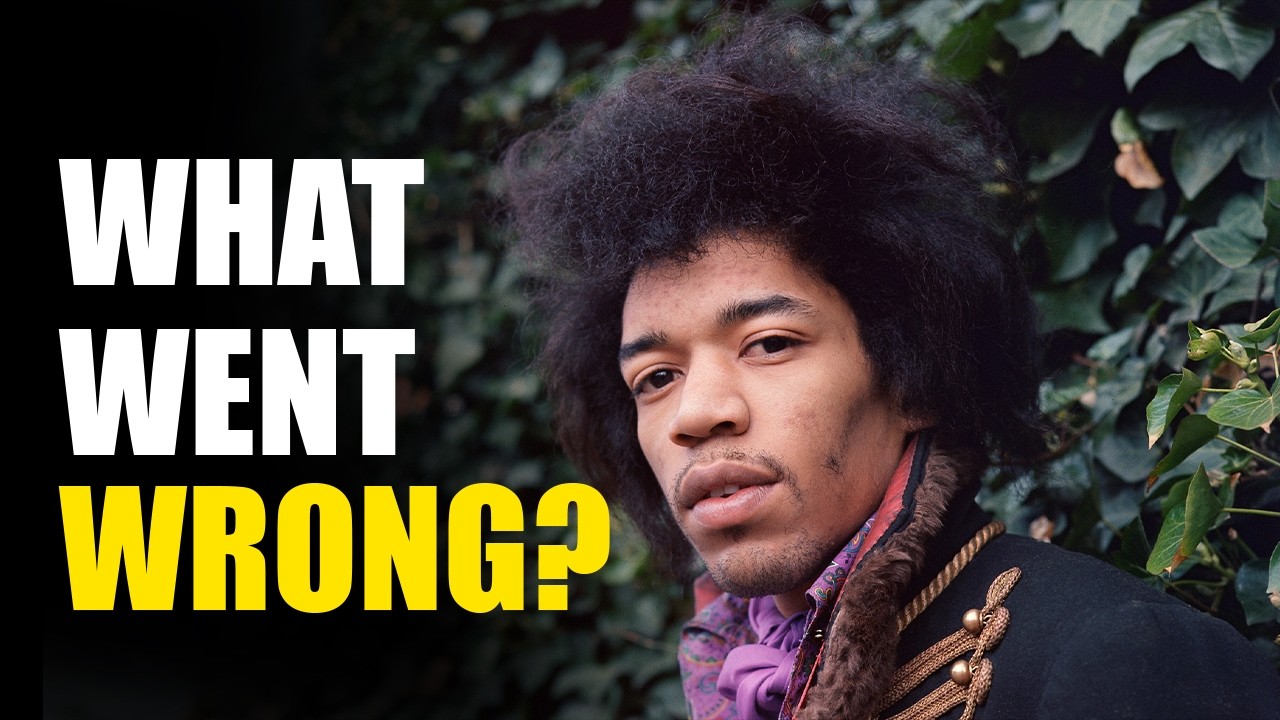
The world woke to the news on the morning of September 18, 1970, that James Marshall Hendrix, known to millions as Jimi Hendrix, had been found unresponsive at a friend’s apartment in London. He was pronounced dead at St. Mary Abbot’s Hospital at the age of 27. The coroner later ruled an open verdict: death by asphyxiation from vomit under the influence of barbiturates. The circumstances remain disputed, but the loss is absolute. Hendrix’s final hours were spent at the Samarkand Hotel on Lansdowne Crescent, in the flat of his girlfriend Monika Dannemann. Earlier that evening, they had attended a party in Notting Hill. Returning in the early hours, Hendrix, plagued by chronic insomnia, took nine of Dannemann’s prescribed Vesparax sleeping tablets—18 times the recommended dose. She found him unresponsive the next morning. The ambulance rushed him to hospital, but it was too late. The guitar that had set fire to Monterey and bent the national anthem into a protest at Woodstock was silenced. The news sent shock waves through the music world, still reeling from the death of Brian Jones just over a year earlier, and soon to lose Janis Joplin only three weeks later. Hendrix’s rise from a broken childhood in Seattle to the pinnacle of rock stardom lasted barely four years. He was born Johnny Allen Hendrix on November 27, 1942, to teenage parents. His father Al, an army private, was stationed at Fort Sill, Oklahoma, and could not be present for the birth. His mother Lucille, only 17, struggled alone in wartime Seattle. Lucille placed young Jimmy in temporary care when he was two, traveling east to visit relatives. Al retrieved him after his honorable discharge in 1945 and officially changed the boy’s name to James Marshall Hendrix, after Al’s late brother. The household was poor and chaotic. Al worked odd jobs. Lucille drifted in and out, and the couple divorced in 1951. Jimmy and his younger brothers often went without proper meals or stable schooling. Several siblings were placed in foster homes. The instability left deep scars. Then, in February 1958, Lucille died of complications from heavy drinking. She was 32. Al did not tell his son immediately; by the time Jimmy learned, she was already buried. He never said goodbye. That same year, Al bought Jimmy a second-hand acoustic guitar for five dollars. Music had already taken hold. Jimmy had been strumming a broom like a guitar, scattering straw across the bedroom floor. He watched Elvis Presley from a hillside because he could not afford a ticket. He absorbed B. B. King, Muddy Waters, Howlin’ Wolf, Buddy Holly, and Robert Johnson by ear, teaching himself without reading a note. By 1959, Al bought him a white Supro Ozark electric guitar. Jimmy played with local bands, including the Rocking Kings, and performed his first gig in a synagogue basement. He skipped school constantly and eventually dropped out of Garfield High School. (Years later, the school awarded him an honorary diploma.) Trouble followed: he was caught riding in stolen cars twice. Facing prison, Hendrix enlisted in the U. S. Army in 1961 at age 18. He was assigned to the 101st Airborne Division at Fort Campbell, Kentucky, training as a paratrooper and making over two dozen jumps. He hated the discipline. He spent free time playing guitar in the barracks, sneaking off base to find music. At Fort Campbell, he met bassist Billy Cox, a partnership that would last until the end of his life. In 1962, Hendrix received an honorable discharge for “unsuitability.” He stayed in Nashville, then worked the Chitlin’ Circuit, the network of African-American venues across the segregated South. He backed Jackie Wilson and Sam Cooke, learning to hold an audience. But he could not stop himself from playing too much, taking solos where they were not planned. That quality cost him jobs and eventually made him famous. By the mid-1960s, he had moved to New York City, playing Greenwich Village clubs as Jimmy James. His style blended blues with wild experimentation. He worked as a sideman for Little Richard and the Isley Brothers, but both fired him because he drew too much attention to himself. He was simply too much to contain. In the summer of 1966, Chas Chandler, bassist of the Animals, heard Hendrix at Café Wha? Chandler saw a star in the making and offered to manage him. Hendrix agreed. He flew to London in September 1966, broke and unknown. Within weeks, word spread through the British rock scene. Eric Clapton, Paul McCartney, and Pete Townshend all came to watch him play. Chandler formed the Jimi Hendrix Experience with Noel Redding on bass and Mitch Mitchell on drums. He changed the spelling to Jimi. The first single, “Hey Joe,” hit number six on the UK charts in early 1967. “Purple Haze” and “The Wind Cries Mary” followed quickly. The debut album “Are You Experienced” became one of the most celebrated rock records of the era. But Hendrix had not yet broken through in America. That changed at the Monterey International Pop Festival in June 1967. Closing the festival, he knelt over his guitar and set it on fire. The image went worldwide. Within weeks, the band was famous across the United States. The pace that followed was extraordinary and exhausting. “Axis: Bold as Love” came in 1967, then “Electric Ladyland” in 1968—his only number-one album on the Billboard 200. He experimented with feedback, distortion, and effects, building sounds that had not existed before. But the touring was relentless, and the management demands were crushing. Hendrix was the world’s highest-paid rock musician, but he saw little of the money. His manager, Michael Jeffery, controlled his finances tightly. Lawsuits piled up. Noel Redding and Hendrix grew apart. The band officially disbanded in 1969. Woodstock came in August 1969. Hendrix closed the festival on Monday morning after performing nearly two hours. His version of “The Star-Spangled Banner” through waves of feedback and distortion became one of the most politically charged moments of the era. He later said he played it the way the air felt in America during Vietnam. By the end of 1969, he formed the Band of Gypsys with Billy Cox and Buddy Miles—an all-black trio that released one album, the last released during his lifetime. The Cry of Love Tour began in April 1970 with Cox and Mitchell. In late August, he played the Isle of Wight Festival before an estimated 600,000 people, the largest audience of his career. He was visibly tired. His final concert was on September 6, 1970, at the Love and Peace Festival in Fehmarn, Germany. Driving rain, high winds, and a hostile crowd marred the set. He pushed through and brought the audience back around. It was the last time he stood on a paying stage. On September 16, two days before his death, he made an unannounced appearance at Ronnie Scott’s Jazz Club in London, jamming with Eric Burdon and War. Burdon later spoke of the electricity that moved through the room when Hendrix walked in. That was the last time most people saw him play. In his final days, Hendrix was staying at the Cumberland Hotel. Friends described him as jittery, unsettled, troubled by the people around him. He gave his last interview on September 11 to Keith Altham of Record Mirror. He seemed tired and distracted. The death of Jimi Hendrix left a void that has never been filled. In just four years as a recording artist, he released three studio albums, performed at Monterey and Woodstock, headlined the Isle of Wight, and fundamentally changed the electric guitar’s role in rock music. He was inducted into the Rock and Roll Hall of Fame in 1992, described as “arguably the greatest instrumentalist in the history of rock music.” Clapton has said that encountering Hendrix made him question whether he should continue playing. The sonic vocabulary Hendrix opened up—treating feedback, distortion, and the wah-wah pedal as instruments—still echoes through every genre that followed. He also built Electric Lady Studios in Greenwich Village, one of the first musician-owned studios. He never got to fully use it. The unfinished tracks released posthumously show he was still pushing into new territory. Hendrix was buried at Greenwood Cemetery in Renton, Washington, next to his mother, who had died before seeing what her son became. His gravestone reads: “Forever in our hearts. James M. Jimi Hendrix, 1942-1970.” He came from almost nothing—a chaotic childhood, a broken family, a stint in the army to avoid jail, years on the road playing for other people. He had four years of genuine fame. In that time, he made music that still sounds like the future, more than half a century later. The story does not end neatly because it never got the ending it deserved. What remains is the sound of a guitar that no one else has ever matched.
17 August 2026

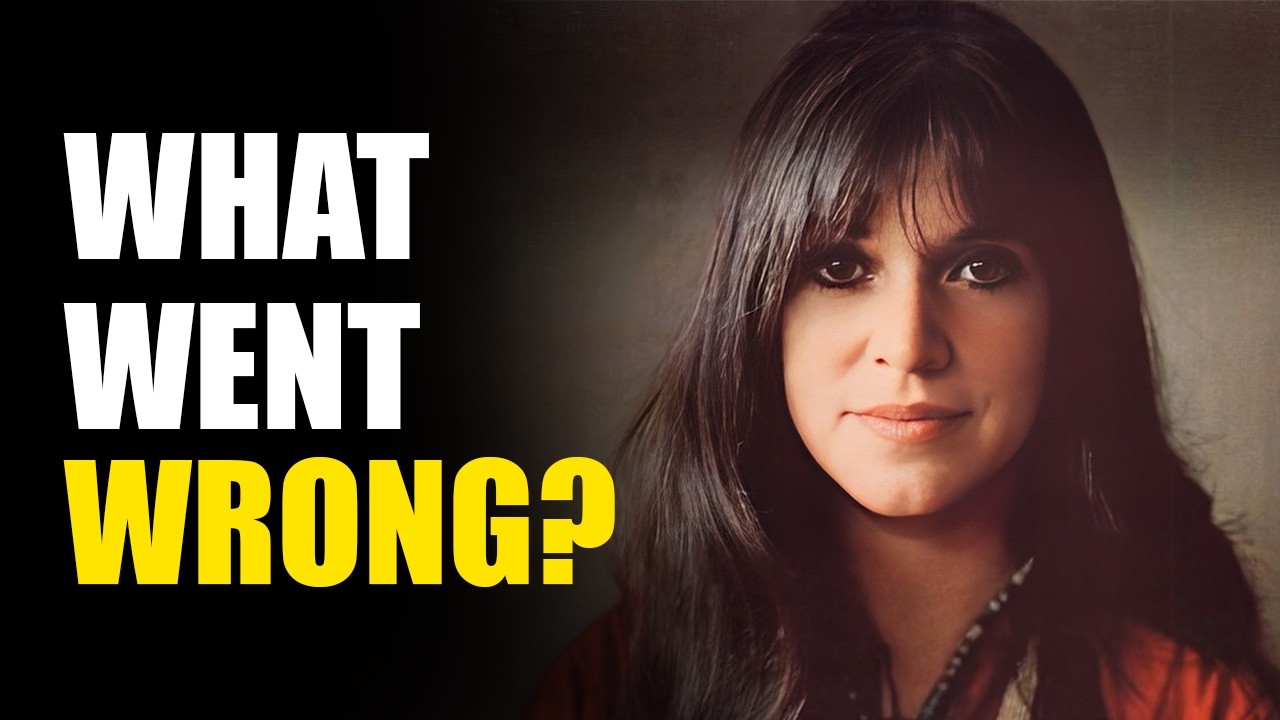
What Really Happened To Melanie Safka: From Woodstock Star to Memory

The rain fell in sheets over Max Yasgur’s farm in Bethel, New York, on the night of August 15, 1969, and a 22-year-old woman from Queens named Melanie Safka sat alone in a folding metal chair, her acoustic guitar in hand, facing half a million people. She was terrified. She had arrived by helicopter, separated from her mother, and descended into a scene of overwhelming scale that no one had ever witnessed before. The crowd stretched across the hillside, a sea of humanity that seemed to have no end, and the air was thick with rain and the particular energy of something unprecedented. She later told the Associated Press that the terror built and built as she waited, and when the rain started, she felt relief, genuinely believing the crowd would go home and she would be spared. They did not go home. She walked onto the stage, sat down, and began to sing, her voice cutting through the storm without amplified backup, without a band, without anything except her raw talent and the guitar in her hands. That night, members of the Hog Farm commune distributed candles through the crowd, and people began lighting them in the darkness. The hillside flickered with hundreds of thousands of small flames, a gesture of communion between performer and audience that had never happened before at a concert. It became the template for every lighter-in-the-air moment that followed, a legacy that traces directly back to that single performance. Melanie was so moved by the experience that she wrote a song about it, “Lay Down (Candles in the Rain),” recorded with the Edwin Hawkins Singers, which reached number six on the US Billboard chart and became her breakthrough hit. But the world paid attention, and then, somehow, it moved on. What really happened to Melanie Safka, the girl from Queens who stood alone at Woodstock and changed concert history, is a story of extraordinary talent, industry neglect, and a legacy that burned bright but was never fully recognized. Melanie Anne Safka was born on February 3, 1947, in the Astoria neighborhood of Queens, New York City, to Frederick Safka, of Ukrainian ancestry, and Pauline, known as Polly, an Italian-American jazz singer who performed in local clubs. Her mother’s voice filled whatever room she was in, and Melanie grew up with that sound in her ears from the beginning. By the time she was four years old, she was performing publicly, appearing on a radio program called “Live Like a Millionaire,” singing and playing the ukulele. Her mother entered her in local talent contests, encouraged her constantly, and took her along to clubs where blues and jazz musicians played. Billie Holiday, Bessie Smith, and Lotte Lenya shaped young Melanie’s ear long before she could fully explain what she was absorbing. When she was still a teenager, her family relocated to Southern New Jersey, where she attended Long Branch High School before transferring to Red Bank High School, graduating in the mid-1960s. By 16, she was already working, singing at a local coffeehouse called The Inkwell on Monday nights, performing folk songs for four or five hours straight for $20 a night. She described those nights as genuinely formative, with nobody watching her as a future star, just a young girl with a guitar learning her craft one song at a time. After graduating, her parents insisted she attend college, so she enrolled at the American Academy of Dramatic Arts in New York City to study acting. But the music kept pulling her. She began making her way down to the folk clubs of Greenwich Village, The Bitter End and others, performing wherever she could get a stage, staying out late, absorbing the scene building around her. She was barely 20 years old and already exactly the artist she would always be, raw, unclassifiable, and entirely her own. Her entry into the recording industry happened by a kind of accident. She had gone to a Broadway building for an acting audition and, through a mix-up, ended up in the office of a music publisher instead. Rather than leave, she sat down and sang. The publisher was impressed enough to help get her in front of the right people. In 1967, she signed with Columbia Records and released two singles, “Beautiful People” and “Garden in the City,” but when Columbia’s head, Clive Davis, declined to allow her to record a full album, the relationship ended. She moved on to Buddha Records, where things began to change. There, she was paired with a producer and arranger named Peter Schekeryk, who recognized something in her that the industry had not quite known what to do with. Their professional relationship deepened into something more personal, and they married on December 31, 1968. Peter would remain her producer, her manager, her collaborator, and the center of her personal life for the next four decades. Her debut album, “Born to Be,” was released on Buddha in late 1968, a mixture of styles that some critics found confusing, but it contained songs that would remain in her live repertoire for the rest of her performing life. “Beautiful People” was already a modest hit in the Netherlands. Things were moving slowly but unmistakably in the right direction. Then Woodstock happened. She was not on the original lineup. She arrived by helicopter, separated from her mother, and descended into a scene of overwhelming scale. Half a million people spread across the hillside, the stage an enormous structure in the distance, the air thick with rain and the particular energy of something none of them had ever experienced before. She was terrified. She told the Associated Press in 2019 that the terror kept building and building as she waited, and that when the rain started, she actually felt relief. She genuinely believed the crowd would go home, and she would be spared. They didn’t go home, and she went on. The act originally scheduled to follow Ravi Shankar, the Incredible String Band, refused to perform in the rain, and so Melanie Safka, along with her acoustic guitar, walked onto the Woodstock stage on the night of August 15, 1969, at around 11:00 p. m. , and played to the largest audience she had ever faced or would ever face. She sat in a folding metal chair, wearing a loose red tunic, and sang without amplified backup, without a band, without anything except her voice and her guitar. She played “Close to It All,” then “Mama Mama,” then “Beautiful People,” a song that had radio play in Europe but was barely known in America. She could hear the small smattering of recognition from the audience when she began it. Then she finished and laughed nervously into the microphone, and something between performer and audience loosened and opened. She later described the experience to Rolling Stone as her first out-of-body moment, watching herself walk across the bridge to the stage and begin to sing from somewhere outside her own body. The crowd, she said, was the most astonishing thing she had ever seen or would ever see. At some point during her set, members of the Hog Farm commune had distributed candles through the crowd. People began lighting them. In the darkness, the hillside flickered with hundreds of thousands of small flames. It was the first time that kind of moment had happened at a concert. Candles held aloft in the dark, a gesture of communion between performer and audience. And it became the template for every lighter in the air moment that came after it. Melanie was so moved by the experience that she wrote a song about it. “Lay Down (Candles in the Rain)” was recorded with the Edwin Hawkins Singers, the gospel group behind the hymn “Oh Happy Day,” and released in 1970. It reached number six on the US Billboard chart and became her breakthrough hit. The album it anchored, “Candles in the Rain,” charted in both the United States and reached number five in the United Kingdom. She had arrived. The years between 1970 and 1973 were the peak years, and they were remarkable. “What Have They Done to My Song, Ma” became a signature piece, partly sung in French, with a quality that set her apart from the other folk pop women of the era. Nina Simone covered it, Ray Charles covered it, The New Seekers covered it. It reached the UK top 40 and remained a standard. Her live album, “Leftover Wine,” recorded at Carnegie Hall in New York, was released by Buddha in 1970 and peaked at number 33 on the US charts. Her cover of the Rolling Stones’ “Ruby Tuesday” was a top 10 hit in the United Kingdom. In 1970, she was also the only artist to defy a court injunction banning the Powder Ridge Rock Festival in Connecticut, a festival that had been shut down at the last moment while thousands of people were already on site. She played anyway, performing on a homemade stage powered by Mr. Softee ice cream trucks. It was a genuinely eccentric moment, and it was completely in character. That same summer, she played the Isle of Wight Festival, where she was introduced by Keith Moon of The Who, and received four standing ovations. In June 1971, she performed at the very first Glastonbury Fair, the forerunner of what became the Glastonbury Festival, singing to welcome the summer solstice. By 1971, she and Peter had left Buddha Records. The label had been pressuring her to produce albums on demand, and she refused and formed their own label, Neighborhood Records. The first major release on that label changed everything again. “Brand New Key” was written in about 15 minutes one night. It was a light, rolling song about a girl on roller skates, or so it seemed. When it was released in late 1971, some radio stations banned it, suspecting sexual innuendo in the imagery of keys and locks. Melanie acknowledged the double reading was possible but maintained the song was innocent. The controversy, if anything, only added to its momentum. It went to number one on the US Billboard chart. It sold over 3 million copies worldwide. It was her biggest hit, the one that most people knew, and in 1972, Billboard named her the year’s top-selling female artist in the United States. She was 24 years old, and she had just become one of the most commercially successful female singer-songwriters in the world. But the commercial peak did not last, and the reasons were partly about the industry, partly about timing, and partly about who Melanie was as an artist. After “Brand New Key,” the follow-up singles, “Ring the Living Bell” and “The Nickel Song,” both hit the top 40 simultaneously, which set a record for the first female performer to have three top 40 hits on the charts at the same time. But the critics had never quite known what to do with her, and the success of “Brand New Key” made them more dismissive, not less. The cheerful roller skating song struck many of them as beneath someone with her voice and her range. Reviews of her subsequent work grew lukewarm. Audiences, following the lead of critical consensus, began to drift. Her last top 40 hit in the United States was “Bitter Bad” in 1973. After that, the American charts largely closed their doors to her. She did not disappear. She had never been a purely commercial artist to begin with, and she continued to record and tour, particularly in Europe, where she had always had a devoted following. Germany, the Netherlands, France, these markets had been loyal to her since before Woodstock, and they remained loyal long after the American mainstream had moved on. But the era of the big American hit was over. She released “Photograph” on Atlantic Records in 1976, an album that critics praised and the public ignored. She released “Phonogenic – Not Just Another Pretty Face” in 1978 on Midsong International. She kept making records, kept performing, but the commercial machinery had let her go. Part of what made her story particularly complicated was the attitude of her male peers and the industry toward her kind of femininity. She was too cheerful, too unguarded, too openly emotional, and none of those qualities were considered serious in the male-dominated folk rock world of the early 1970s. She once told The Guardian that she hadn’t been given her due as an artist, partly because it wasn’t the age of smiling women. In 1989, something unusual happened. Melanie Safka, whose name had largely disappeared from American pop culture since the mid-1970s, won a Primetime Emmy Award. The song was “The First Time I Loved Forever,” which she wrote the lyrics to as the theme for the CBS Television series “Beauty and the Beast,” the fantasy drama starring Ron Perlman and Linda Hamilton, not the Disney version. The Emmy was for outstanding main title theme music. It was a reminder that her songwriting gifts had not diminished in the years since “Brand New Key.” They had simply been operating in spaces most people weren’t looking. That same year, she went on the road with the Woodstock Reunion Tour, which traveled through the United States and Europe and introduced her original music to a new generation of listeners who knew the festival as mythology rather than memory. In 1993, she released “Freedom Knows My Name,” her first domestic US album in years, recorded on Peter’s Lone Star Records label with backup vocals from all three of their children. The album received a divided critical response, but its existence was a signal that she had not retreated. She continued performing, continued writing, continued touring. Their three children, Laila, born in 1973, Jordy, born in 1975, and Beau Jarred, born in 1980, had all grown up to become musicians. Laila and Jordy had, at the ages of 7 and 6, released a cover of “There’s No One Quite Like Grandma” that had reached number 27 on the Canadian charts. In later years, they joined their mother on stage and in the studio, creating a family musical continuity that was genuinely moving to observe. On October 26, 2010, Peter Schekeryk died of a heart attack. He was 68 years old. He and Melanie had been together for over 40 years, since she was 21 and he was the young producer at Buddha who had recognized what she was before anyone else had. He had produced almost every album she had ever made. He had built Neighborhood Records with her. He had been on the road with her for four decades, had raised their children with her, had remained her creative partner through every shift and turn the industry had taken. He had been present for Woodstock, for “Brand New Key,” for the lean years in between, for every comeback and every quieter season. He was, in almost every meaningful sense, the architecture of her professional life. Melanie was at a Whole Foods in Nashville when two police cars pulled into the parking lot. She wrote about the moment in devastating detail on her website afterward. The disbelief, the instinctive denial, the moment the officer said her name and she already knew. She wrote, “Peter, where are you?” She had been living in the Nashville metropolitan area by then, having relocated there in her later years. Peter’s death was, by every account, the most profound loss of her life. She told interviewers in the years that followed that she had not fully recovered from it and perhaps did not expect to. But she kept going. The music was still there, and the music was the thread she held. In the years after Peter’s death, Melanie continued to release music and perform live, often touring with Beau Jarred, who played guitar and accompanied her on stage. In 2004, she had released “Paled by Dimmer Light,” co-produced by Peter and Beau Jarred, which included original compositions that demonstrated her voice had lost none of its distinctive power with age. In 2007, she was invited by Jarvis Cocker, the frontman of Pulp, to perform at his Meltdown Festival at the Royal Festival Hall in London. The performance was sold out, and The Independent wrote that it was hard to dispute that she had earned her place in the pantheon of iconic female singers of her era, alongside Joan Baez, Judy Collins, Joni Mitchell, and Marianne Faithfull. For those who knew her music, the review stated only what had always been true. For those who had forgotten, it was a long overdue correction. In 2012, she wrote the music for a stage musical called “Melanie and the Record Man,” which told the story of her early career and her relationship with Peter. The show was a way of honoring what they had built together and of working through the loss in the way she knew best, by turning it into something that could be shared with an audience. In 2015, Miley Cyrus invited her to perform a duet of her song “Look What They’ve Done to My Song, Ma” during a television appearance. It was an unexpected intersection of generations, and it introduced Melanie to listeners who had been born decades after Woodstock. Her final tour in late 2022 took her back to the Netherlands, the country that had loved her since “Beautiful People” charted there in 1969, before Woodstock, before “Lay Down,” before any of it. She was 75 years old, and the Dutch audiences who had followed her for over 50 years came out to see her one more time. In the opening weeks of January 2024, Melanie Safka was in a recording studio in Nashville working on a new album of cover songs for Cleopatra Records. The album was going to be called “Second Hand Smoke.” It would have been her 32nd album, a number that says something about the sheer persistence and dedication with which she had approached her craft across six decades. … Read more

17 August 2026

W Szpitalu Moi Rodzice Zapytali Lekarza:„Czy Można Przeszczepić Jej Organ,Żeby Ratować Mojego Syna?”

Zaczęło się od wypadku samochodowego. Byłam pasażerką. Wracaliśmy ze szkoły do domu. Mój brat Łukasz siedział za kierownicą. Ja na przednim siedzeniu ze słuchawkami w uszach pół słysząc jak opowiada o stażu, do którego mama naciskała, by się zgłosił. mówił o jakimś programie w dużej firmie, o tym jak mama widziała w nim przyszłego lidera, … Read more

17 August 2026

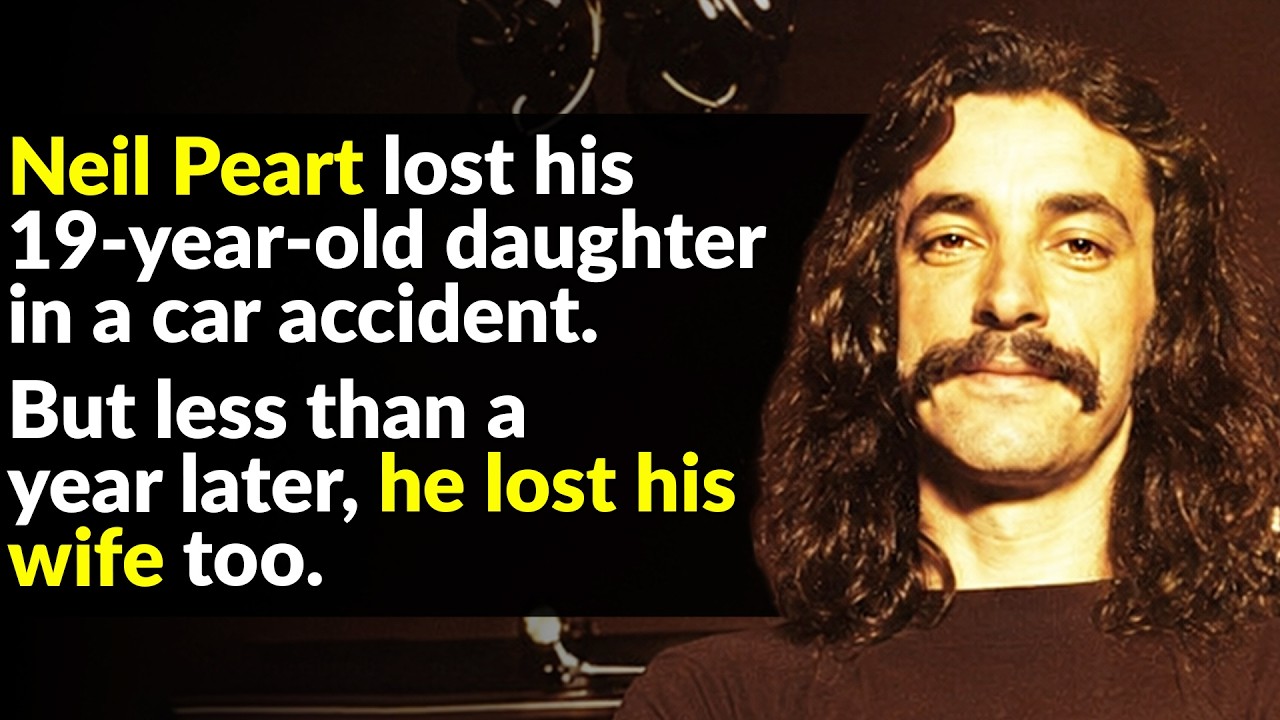
Neil Peart’s Life Fell Apart In One Horrifying Year

Neil Peart, the legendary drummer and lyricist for the iconic rock band Rush, endured a cascade of unimaginable tragedy in a single devastating year that shattered his world and temporarily silenced his music forever. In 1997, Peart, a man who had deliberately avoided the self-destructive path of rock stardom, was struck by a loss that no parent should ever have to face. His beloved 19-year-old daughter, Selena, was killed in a horrific car accident, leaving Peart and his common-law wife, Jacqueline Taylor, consumed by grief. But as they struggled to piece together the fragments of their broken lives, an even darker storm was brewing on the horizon, one that would test the very limits of human endurance. The crash that claimed Selena’s life occurred shortly after Rush had finished the tour for their album Test for Echo. Peart, exhausted from years of relentless touring and recording, returned home only to be met with the worst possible news. The loss of his daughter was a blow that defied comprehension, and Peart retreated into a shell of sorrow. He and Jacqueline tried to find solace in each other, but the wound was too deep, and the healing process seemed impossibly distant. Neither of them could have anticipated that the worst was yet to come, as the fabric of their family was about to be torn apart once more. Jacqueline Taylor, unable to cope with the crushing weight of losing her only child, began a slow and heartbreaking decline. Her health deteriorated as grief consumed her, and on June 20, 1998, just over a year after Selena’s death, she also passed away. Doctors attributed her death to cancer, but Peart had a more visceral, devastating interpretation of the loss. He believed that Jacqueline had died from a broken heart, a casualty of the profound sorrow that had enveloped their lives. In one horrifying year, Neil Peart had lost both his daughter and his partner, leaving him utterly alone in a world that had suddenly become unrecognizable. The tragedy struck a man who had never sought the trappings of fame or fortune. Born on September 12, 1952, in the area around Niagara Falls, Canada, Peart was raised in a modest family that encouraged musical exploration. His parents initially pushed him toward piano, but it quickly became apparent that the instrument was not meant for him. Instead, young Neil was captivated by rhythm, spending countless hours drumming on furniture with chopsticks. When he turned 13, his parents gifted him drumsticks and a practice pad, along with the promise of a real drum set if he stuck with lessons for a full year. He did, and on his 14th birthday, he received his first kit, setting the stage for a journey that would alter the course of rock history. Peart’s early career was a testament to his determination. He formed his first band, The Eternal Triangle, and performed at churches and high schools across southern Ontario. But the small-town scene quickly felt too confining, and he set his sights on London, England, to chase rock stardom. There, he worked as a session musician and sold jewelry on Carnaby Street to make ends meet. Yet, the dream soon soured, and Peart hit a low point. He quit music entirely, returned to Canada, and took a job selling tractor parts for his father. It seemed that his musical ambitions had died, but fate had other plans, and a band called J. R. Flood coaxed him back into the fold for local gigs. Word of a Toronto band seeking a drummer reached Peart, and he decided to audition for a group called Rush. Driving up in his old Ford Pinto, with his drum kit wrapped in garbage bags, Peart made a less-than-impressive first impression. Geddy Lee later recalled having a good chuckle at the sight of the small-town farm boy with short hair, a stark contrast to the rock star locks of the band members. But when Peart began to play, Lee was stunned. He described Peart as a man who plummeted the drums, combining dexterity and power in a way he had never witnessed. Despite some initial resistance from other members, Lee convinced them to take a chance on Peart. The first gig was a trial by fire. Peart had only two weeks to learn the entire setlist for Rush’s upcoming American tour. He compared the experience to being hit by a tornado, but he rose to the challenge. When he walked on stage at the Civic Arena in Pittsburgh in front of 11,000 fans, the pressure was immense. By the time the lights went down, it was clear that Peart had not only blended in but had elevated the band. The tour was a success, but Peart noticed a critical gap: no one wanted to write lyrics. He brought his own songs to the table, and soon, Rush had a new album, Fly by Night, which hit number nine in Canada and number 113 on the US Billboard 200. The band’s early momentum hit a wall with the release of Caress of Steel, a progressive rock departure that fans and critics despised. The Down the Tubes Tour became a humiliating grind, and Mercury Records threatened to drop the band entirely if their next album didn’t succeed. Peart and his bandmates ignored the label’s demand for commercial music and produced 2112, a 20-minute science fiction epic. The album became Rush’s second highest-selling record, cementing Peart’s place as a creative force. He performed at Toronto’s prestigious Massey Hall, where Lee dubbed him the Professor, a nickname that stuck as the band surged into superstardom. Rush’s relentless pace saw them release five albums in four years and perform 300 concerts annually, leaving Peart feeling trapped in a dark tunnel. He found respite at home with Jacqueline Taylor, whom he had fallen in love with, and their daughter Selena, born in 1978. The family provided a anchor in the chaos of touring, and Peart poured his creativity into Rush’s evolving sound. Hits like Spirit of the Radio and Tom Sawyer defined the 1980s, and Peart’s drumming earned him accolades, including an invitation to perform at the Buddy Rich Memorial Scholarship Concert. But a humiliating misstep, where he learned the wrong arrangement, led him to seek lessons from master drummer Freddie Gruber, transforming his style to incorporate swing and jazz. The year 1997 brought the first wave of tragedy, and Peart’s world collapsed. After Jacqueline’s death in 1998, he delivered a heartbreaking directive to his bandmates at her funeral: he would not return to Rush, and they should consider him retired. He climbed onto his motorcycle and rode 88,000 kilometers through North and Central America, hoping the vast distance could outrun his grief. When he returned, he channeled his pain into a book, Ghost Rider Travel on the Healing Road, where he learned to forgive life and himself. A chance meeting with photographer Carrie Nuttall rekindled his heart, and they married on September 9, 2000. In 2001, Peart delivered a shocking announcement: he was ready to end his retirement and rejoin Rush. The band released Vapor Trails, an album haunted by the tragedies of his past. During the subsequent tour, his bandmates shielded him from press events and painful questions, but fans noticed his absence from meet and greets. Some criticized him, but Peart’s quiet kindness emerged in personal postcards to a reporter. His politics, influenced by philosopher Ayn Rand, also drew scrutiny, but Peart credited her only to avoid plagiarism accusations after using ideas from her book Anthem in the 2112 lyrics. Despite the controversy, his artistry remained undeniable. In 2012, Rush celebrated its 40th anniversary with a tour that averaged over 12,000 fans per concert and grossed more than a million dollars per show. That year, the band finally graced the cover of Rolling Stone magazine. For Peart, the tour held a special significance: his daughter Olivia, then five years old, saw him perform for the first time, marveling at the adoring crowds. But tragedy struck again in 2015, just months after Rush’s final show, when Peart was diagnosed with glioblastoma, an aggressive form of brain cancer. He kept the diagnosis private, sharing it only with his inner circle, and passed away on January 7, 2020. The news of Peart’s death was announced on the band’s website on January 10, 2020, with a request for privacy and donations to cancer charities. Fans around the world mourned, with critics like Jeff Miers admitting tears, and Michael Hann noting his eyes swelled. The loss of Peart, a man who used his downtime on tour to read, study, and ride a bicycle rather than indulge in rock star vices, left an indelible void. His drum kit, sometimes boasting over 40 pieces including tubular bells and gongs, was a testament to his eccentric genius. But it was his resilience in the face of profound loss, from tractor parts salesman to rock icon, that defined his legacy. The friendship between Peart, Lee, and Lifeson endured long after Rush ended, a rare bond in the notoriously fractured world of rock bands. Peart’s journey from the ashes of personal catastrophe to creative rebirth inspired millions, but his final years were a private battle against a merciless disease. As the world grappled with the enormity of his passing, the story of Neil Peart stood as a monument to both the fragility of life and the unbreakable spirit of a man who refused to let tragedy define his music. His legacy, etched in the hearts of fans and the annals of rock history, remains a powerful reminder of the cost of greatness and the price of survival.

16 August 2026

Old Hollywood’s Most Disturbing Deaths

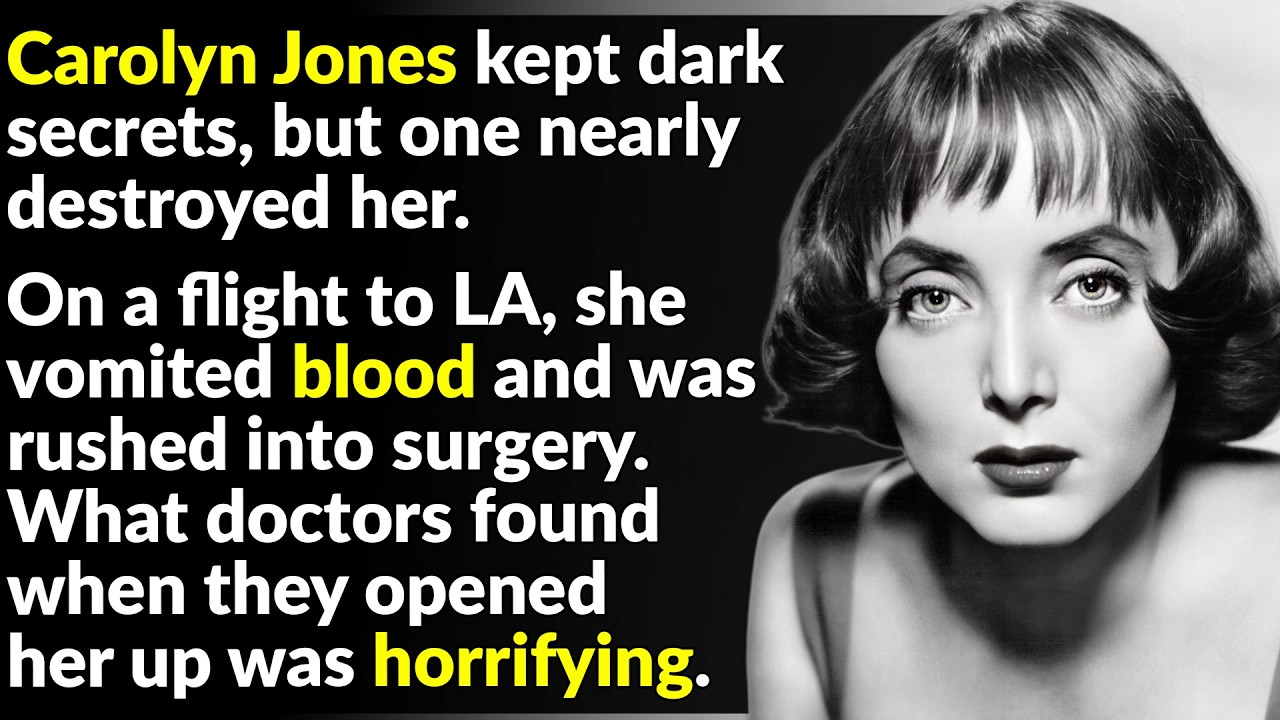
The dark underbelly of Hollywood’s golden age has been exposed in a chilling new investigation, revealing a harrowing tapestry of sudden death, secret illness, and unresolved mysteries that shattered the lives of the industry’s most beloved icons. From the violent sickness that struck Carolyn Jones mid-flight to the whispered arguments that preceded Natalie Wood’s watery grave, these are the stories that the studio system tried to bury, now unearthed in a disturbing chronicle of fame’s ultimate price. Carolyn Jones, forever etched in memory as the sultry Morticia Addams, kept a devastating secret that led to her tragic end. During a routine flight to Los Angeles, the actress was suddenly overcome by a violent illness, barely making it to the restroom before collapsing. Terrified by the episode, she was rushed to surgery upon landing. When doctors opened her up, they were stunned to find not ulcers, as she had believed, but a ferocious colon cancer that had already taken hold. At 51, she chose to keep the diagnosis private, undergoing major surgery and harsh chemotherapy in secrecy, determined to rebuild her career. The nightmare was far from over. After a brief remission, Jones landed a starring role in a soap opera, but just as she settled into the part, the cancer returned with a vengeance. Despite aggressive treatment, her body stopped responding. In a display of superhuman will, she continued working, refusing to surrender her life’s passion. When she became too frail to hide her condition, she performed her scenes from a wheelchair. In September 1982, she married her boyfriend Peter Bailey Britton in a small ceremony, dressing beautifully and wearing a lace cap to cover her hair loss. She slipped into a coma in July 1983 and died on August 3rd of that year at 53, leaving behind her Morticia costume and wig as a donation to the Academy. Natalie Wood’s story remains one of Hollywood’s most haunting enigmas. On November 29, 1981, fate came for the star in the middle of filming Brainstorm. She, her husband Robert Wagner, and co-star Christopher Walken took a weekend boat trip on Wagner’s yacht, Splendour. The party went to bed on November 28th, and by morning, the world had changed. Wood was missing, and Wagner claimed she was not there when he woke up. Authorities recovered her body a mile away from the boat, with a blood alcohol level of 0. 14, motion sickness pills, and pain medication in her system. The assumption was that an intoxicated Wood boarded an inflatable dinghy and fell out. Wood’s sister Lana was deeply dissatisfied with the conclusion, pointing out that Wood was terrified of water and could not swim. She felt there was no way her sister would have ever gotten into the dinghy alone. Two witnesses reported hearing a woman screaming for help at the time of her passing. The case blew wide open in 2011 when the yacht’s captain, Dennis Davern, admitted he had lied to investigators. He revealed that Wagner and Wood had a heated argument after Wagner accused her of flirting with Christopher Walken. In the hours after her disappearance, Wagner forbade Davern from turning on the searchlights to look for his lost wife. Davern has confessed that he believes Wagner is likely guilty of murder, and in 2018, Wagner was listed as a person of interest. Decades earlier, another beloved starlet suffered a more public and agonizing decline. Jean Harlow was the biggest star in Hollywood, but in 1937, her health took a terrifying turn. While filming Saratoga, she complained of nausea, bloating, and abdominal pain, leaning on her co-star Clark Gable between takes. Doctors diagnosed an inflamed gallbladder, but when Gable visited her, he was heartbroken at her rapidly declining condition. Medical professionals soon confirmed that the young, beautiful girl was in the final stages of kidney failure. Harlow worked throughout her illness, trying to please studio heads, even attending the 1936 Oscars where fellow actress Carole Lombard had to help her reapply makeup. On June 6, 1937, Harlow was taken to the hospital. That night, she slipped into a coma. By the next morning, she was gone at just 26 years old. She was reportedly reading Gone with the Wind, which she packed for her last hospital visit. A nurse tearfully looked at the tome and said, “She’ll never finish it.” Her death closed the story of a star gone too soon, but not all Hollywood tragedies are so sudden. Some unfold over many years behind closed doors, as with Anthony Perkins, the iconic Norman Bates from Psycho. Perkins is believed to have had a passionate affair with Hollywood heartthrob Tab Hunter, though friends refused to speak publicly about his private life. At 58, a strange series of events led to a devastating discovery. The Enquirer tabloid published a story claiming Perkins had HIV, a claim nobody took seriously except Perkins himself. Thrown by the media’s claim, he went for tests and discovered the results were positive. The Enquirer somehow gained access to his confidential medical information before he did. Someone with access to his blood samples had tested it for HIV and leaked the results. Perkins died in 1992, keeping his illness a secret. His wife, Berry Berenson, who was terrified for herself and her children, tested negative multiple times despite their use of aliases during hospital visits. Perkins spoke to his sons about his decision, saying, “The problems of an old actor don’t amount to a hill of beans in this crazy old world.” Judy Garland was fighting battles that began almost as soon as her career started. The cruel injustices of her childhood led to an adulthood filled with suffering and depression. By 1959, her liver had taken such a beating that she suffered from acute hepatitis. Doctors told her she was very ill and gave her about five years or less to live, also warning that she might not be able to sing or perform. Garland felt an overwhelming sense of relief, saying, “The pressure was off me for the first time in my life.” By 1966, she owed $500,000 to the IRS and sold her home for much less than it was worth. In 1967, agents swooped in and claimed most of what she had earned from a run at New York’s Palace Theater. She married Mickey Deans in 1969, but behind the scenes, she was struggling with exhaustion and long-term dependence on prescription medication. On June 22, 1969, Judy Garland died at just 47 years old. Her death was officially ruled an accidental overdose on prescription medication she had relied on since childhood. Her tragic story became one of Hollywood’s clearest examples of the devastating cost of fame at too young an age. On September 13, 1982, a terrifying car accident ended Grace Kelly’s life. Kelly and her daughter Stephanie were driving home along hilly Monaco streets when Kelly reportedly had a stroke. She lost control of the car, which plunged over 500 feet down the mountainside. Paramedics rushed them to the hospital, but all signs suggested that Princess Grace would not wake up. Her husband, Prince Rainier, made the tragic decision to take his wife off life support. Kelly died at just 52 years old. Rumors quickly circulated that Stephanie had been pulled from the driver’s seat, not the passenger side, raising questions about who was driving. Stephanie escaped with a hairline fracture and concussion, but the emotional impact was immense. She could not attend her own mother’s funeral and refused to talk about it for decades. When she finally addressed her loss, she confessed, “Not only did I go through the horrible trauma of losing my mother at a very young age, but I was beside her at the moment of the accident. Nobody can imagine how much I’ve suffered and still suffer.” Grace Kelly’s death left behind heartbreak, unanswered questions, and years of speculation. Rita Hayworth had it all, but she remained deeply unhappy for much of her life. During filming of The Wrath of God, she struggled to remember her lines so badly that scenes had to be filmed one sentence at a time. Her behavior became increasingly erratic, dismissed by many as heavy drinking. Tragically, it took doctors nearly two decades to realize she was suffering from Alzheimer’s disease, which had been largely overlooked since its discovery in 1906. She became the first public face of the disease, and her decline was tragic partly because nobody understood what was happening to her until it was too late. Marilyn Monroe was found dead on August 5, 1962, at her home in Brentwood, California. She was lying in bed with a telephone in her hand at just 36 years old. The coroner ruled her death as probably a suicide caused by an overdose, but several details fueled doubt. The toxicology testing was limited to her liver, and when the deputy coroner requested her other organs for further analysis, he was told they had already been destroyed. Theories involving the Kennedys or the CIA remain unverified. Her ex-husband Joe DiMaggio sent roses to her grave for two decades and never remarried. His final words were reportedly, “I’ll finally get to see Marilyn.” It is clear that fame did not protect these Old Hollywood stars from illness, tragedy, or fate. The truth is, it likely made things even harder for them in the end. From Carolyn Jones’s secret battle with cancer to Natalie Wood’s drowning, from Jean Harlow’s kidney failure to Judy Garland’s overdose, these stories serve as a grave reminder that no amount of beauty, talent, or fame could save them from the horrors fate had in store. The legacy of these stars is now marred by the disturbing circumstances that surrounded their final moments, leaving fans and investigators alike to wonder what really happened in the shadows of Hollywood’s brightest lights.

16 August 2026

At 66, Eamonn Holmes Finally Breaks Silence On Ruth Langsford… And It’s Bad

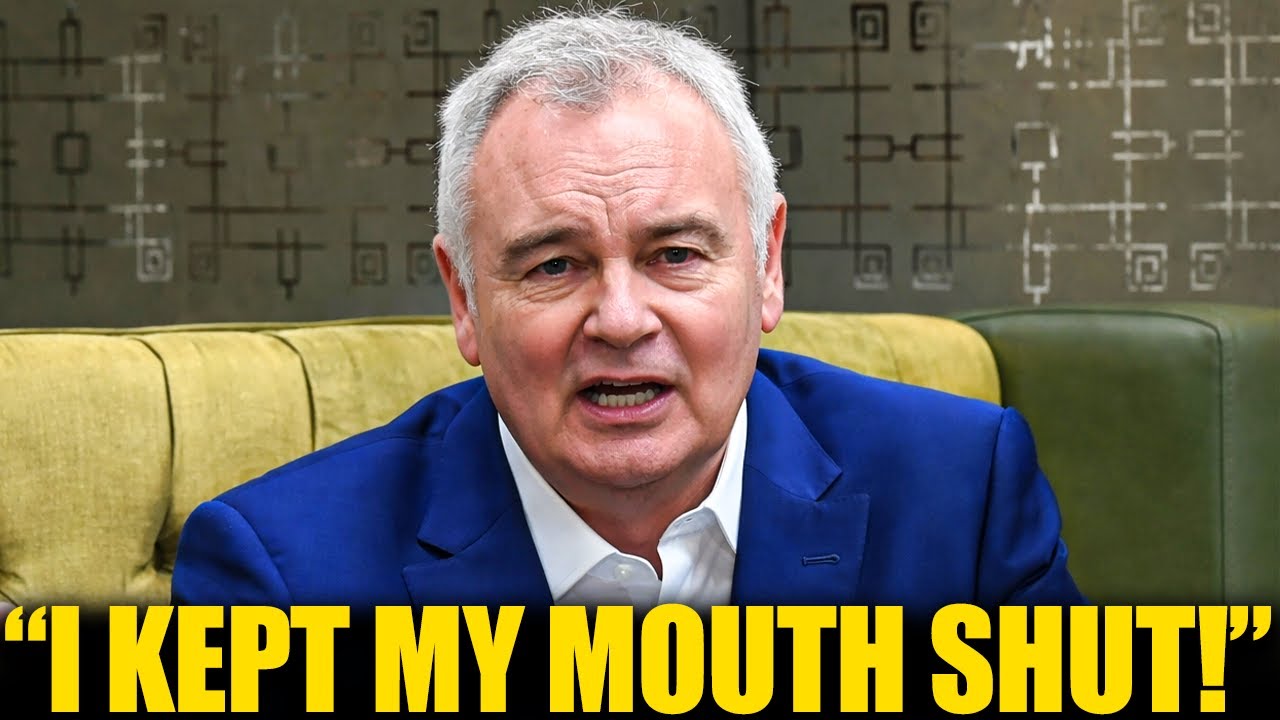
Eamonn Holmes, at 66, has finally broken his silence on the collapse of his 14-year marriage to Ruth Langsford, and the revelation is reshaping everything the public thought they knew about one of television’s most enduring partnerships. For nearly two years after the quiet announcement of their separation in May 2024, Holmes remained conspicuously silent while Langsford’s version of events dominated headlines. Now, in a candid new interview, the veteran broadcaster admits his biggest regret is failing to balance his career with his personal life, a confession that lands with the weight of a man who has watched his world unravel from the inside. The admission comes after months of speculation, health battles, and a divorce that has played out under the glare of relentless media scrutiny. Holmes, who built a decades-long career on reliability and warmth, is now speaking not as a presenter but as a man grappling with the consequences of choices made long before the cameras stopped rolling. According to sources close to the couple, the marriage’s final collapse was triggered by a single devastating moment. Holmes, believing he was alone in their Surrey home, was overheard by Langsford during an intimate phone conversation. The call, described as cozy and personal, left Langsford horrified. She confronted him immediately, and the shock cut both ways. Holmes reportedly had no idea she was within earshot. That moment was only the beginning. Weeks later, Langsford allegedly discovered messages on Holmes’s laptop that shattered any remaining hope of reconciliation. Insiders describe the discovery as the straw that broke the camel’s back. The public announcement of their separation followed shortly after, delivered in a calm, controlled joint statement that offered no explanation and no emotion. Holmes, who has long been open about his severe health struggles, now acknowledges that his physical decline played a significant role in the marriage’s erosion. Since 2021, he has battled three slipped discs, undergone double hip replacement surgery, and suffered a devastating fall down 18 stairs that left him with a broken shoulder. He has been reliant on a walking stick and, at times, a wheelchair. He admitted recently that he has been effectively disabled for over a year, relying on carers for basic daily tasks. Langsford, meanwhile, has been publicly rebuilding her life. In her first interview since the split, she described the breakup as difficult and painful but emphasized her choice to move forward. She has embraced therapy, focused on her career, and even hinted at a possible return to This Morning. When asked about being single, she said she is fine alone but not forever, acknowledging the adjustment required when weekends become solitary. Holmes, now in a relationship with relationship counselor Katie Alexander, spent Christmas with her at a luxury cottage in North Yorkshire. He has spoken openly about his hopes for improved mobility by 2026, considering pioneering stem cell treatment. But it is his reflection on the past that carries the most weight. When asked what he would change if he could go back, Holmes paused and then admitted he would try to find a better balance between work and home life. That single sentence reframes the narrative. For months, the public story was one of two people drifting apart due to professional demands and health challenges. Now, Holmes’s silence has broken, and his words suggest something deeper: a man who watched his marriage slip away while he was focused on the next broadcast, the next surgery, the next recovery. Langsford has not responded directly to Holmes’s latest comments, but her actions speak volumes. She has continued counseling, surrounded herself with close friends, and marked her birthday with a girls’ getaway. She has said she is not delighted that her marriage is over but has accepted it. That acceptance, she explained, allowed her to embrace being single and make choices just for herself. The couple shares a 22-year-old son, Jack, and both have expressed a desire to remain amicable. Over Christmas, Holmes reached out to Langsford, expressing continued respect and wishing her all the best. Speaking at a festive awards dinner, he said plainly that she deserved happiness. The words were simple, but the timing mattered. For Holmes, the silence has finally ended. And what he has said changes the tone of everything. It reframes how the breakup looks and, more importantly, how Ruth Langsford comes across in the aftermath. The story is no longer just about a marriage that ended. It is about a man looking back and admitting imbalance, and a woman stepping forward and discovering strength. Two lives that once ran in parallel are now moving on separate tracks. No shouting, no spectacle, just the weight of everything that cannot be undone.

16 August 2026

Remember Cliff Richard? How He Lives Now Will Break Your Heart

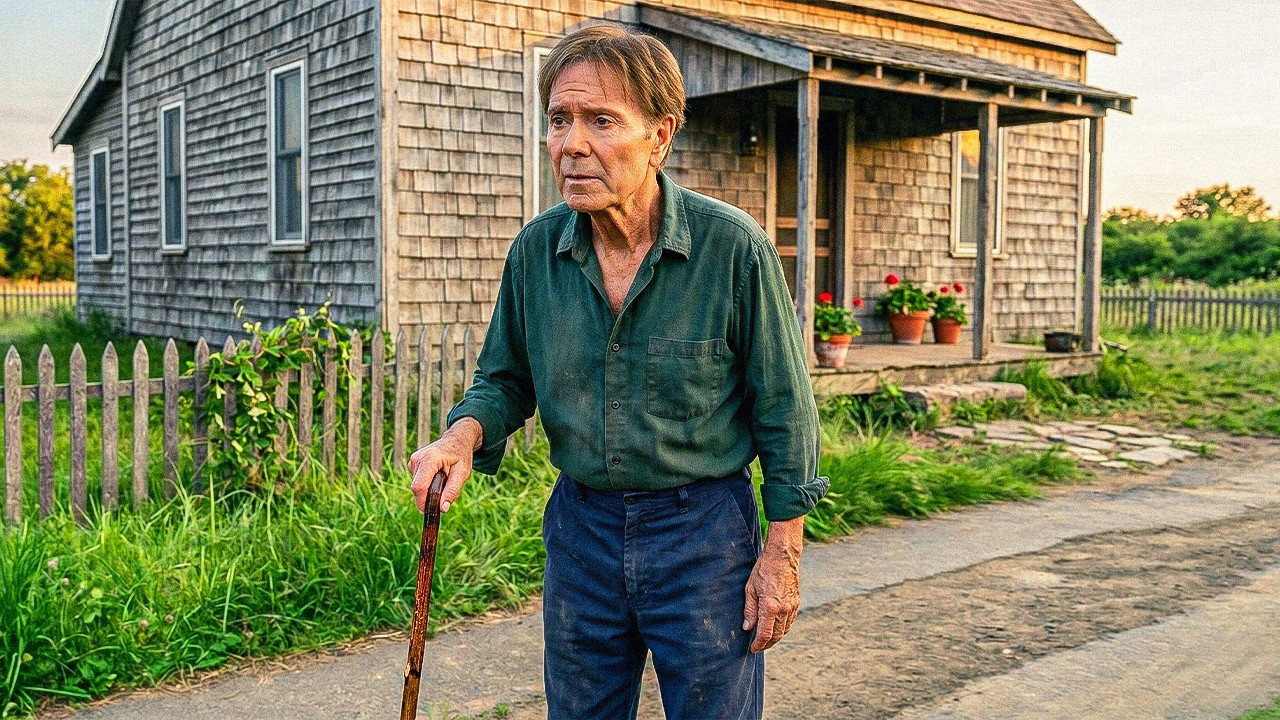
The silence that greets Cliff Richard when he returns home from a concert stage is not the peaceful quiet of a man at rest. It is the hollow echo of a life lived in the spotlight but ended in solitude. At 85, the man who sold more than 250 million records, who received a knighthood from the Queen, and who dominated British popular music for six decades is facing a reality that no amount of gold records or sold-out arenas could prepare him for. He is alone. He is unmarried. He has no children. And now, his body is beginning to betray him in ways that even his legendary voice cannot overcome. The news that has emerged from his inner circle in recent weeks paints a picture of a man who has been broken not by age, but by the cumulative weight of scandal, legal battles, and a loneliness that he himself has only recently admitted to. Cliff Richard, the polite answer to Elvis Presley, the symbol of British decency, is living a life marked by a heartbreaking isolation that most fans never imagined. The physical decline is undeniable. At a performance at the Brighton Centre on December 4th, 2025, audience members watched with a mixture of admiration and concern. Cliff could not move around the stage the way he used to. His talking voice seemed frail, a whisper compared to the commanding presence he once projected. But then, in a moment that left many in the crowd stunned, he opened his mouth to sing. And his voice, that unmistakable instrument that has defined generations, emerged as strong as ever. It was a paradox that has puzzled even his closest associates. The man who can barely walk across a stage can still hit notes that would make singers half his age weep with envy. But the body that carries that voice is failing. In late 2024, during a routine insurance checkup ahead of a planned tour, doctors discovered prostate cancer. Cliff had not requested the tests. The promoter needed the paperwork to secure coverage, and the paperwork required a medical examination. That examination revealed something that could have remained hidden until it was too late. The cancer was not very old, the doctors told him, and crucially, it had not metastasized. On December 15th, 2025, he appeared on Good Morning Britain and announced that the cancer was gone at the moment. But he did not say this with relief or triumph. He said it with caution, adding immediately that he did not know whether it would come back because nobody can tell those things. Then he made a plea that came from somewhere deeper than a public service announcement. He said people needed to get tested and get checked. He was speaking as a man who had looked at a diagnosis and realized how close he had come to a different outcome. The health scare is just the latest chapter in a life that has been defined by a series of devastating blows. The lowest moment came in August 2014, when Cliff was in Portugal on holiday and turned on a television to watch police officers search his home. He had not been told the search was happening, nor had he been told why. He learned about it the same way millions of viewers did, through live coverage broadcast from a helicopter hovering above his apartment. The story that led to that moment began nearly 30 years earlier, in 1985 at a football stadium in Sheffield. Bramall Lane, the home of Sheffield United, was hosting an event led by American evangelist Billy Graham. Among the crowd that day was a teenage boy who would years later make a horrifying allegation against Cliff Richard. For a public figure who had built his entire career on a clean-cut, family-friendly image, the accusation alone carried the potential to destroy everything. When the Metropolitan Police received the allegation, officers were already working on Operation Yewtree, a major inquiry launched after the Jimmy Savile scandal. At the time, there was a strong national focus on past abuse cases, so new claims were handled with care and attention. In July 2014, the Metropolitan Police passed the information to South Yorkshire Police. And from that moment, a chain of events was set in motion that Cliff Richard could not see coming. He denied the allegation immediately and consistently, and he would continue to deny it for years. But denial did not stop what happened next. South Yorkshire Police decided to search his penthouse apartment in Sunningdale, Berkshire in August 2014. Before the search took place, a BBC journalist named Dan Johnson learned that the investigation existed. What happened between the police and the BBC would later be described in court as a deal. Though both parties disputed that word, the BBC agreed to delay breaking the story about the investigation. In return, South Yorkshire Police agreed to tip the BBC off about the exact timing of the raid. A retired detective superintendent named Matthew Fenwick later told the High Court that he felt forced into this arrangement. Johnson had made it clear, Fenwick said, that the BBC could and would publish the story regardless of whether the police cooperated. The police felt they had no option other than to work with the BBC to control the timing of the coverage. That was the justification offered, but the result looked very different from the outside. On the day of the raid, the BBC broadcast live footage from a helicopter that was already hovering above Cliff Richard’s address. Viewers watched officers on his property. The coverage treated him, as human rights lawyer Geoffrey Robertson later put it, like a bank robber or a mass murderer. The man at the center of it watched from a hotel room in Portugal, having received no advance warning from anyone. He was thousands of miles away while his home was searched on live television. For two years, the investigation hung over Cliff Richard’s life. He continued to deny the allegation. The Crown Prosecution Service reviewed the evidence. And on June 16th, 2016, the CPS announced its decision. There was insufficient evidence to proceed with any charges. Cliff Richard was never arrested. He was never charged. The investigation closed without a single legal finding against him. But the damage was already done. The live broadcast had been seen by millions. The story had traveled around the world. His reputation, built over 56 years of relentless work, had been stained in a single day. In July 2016, he filed suit against both South Yorkshire Police and the BBC. The legal battle took nearly two years to reach the High Court. When the hearing opened in April 2018, it was scheduled to last 10 days. The testimony would be painful, and the revelations about how the police and the BBC had coordinated would be even worse. On July 18th, 2018, High Court Judge Anthony Mann delivered the verdict. The BBC, he ruled, had infringed Cliff Richard’s privacy rights without legal justification and in a serious and sensationalist way. The police were also found liable. The damages awarded were substantial, 190,000 pounds in general damages from the BBC, plus an additional 20,000 pounds in aggravated damages, specifically because of the Scoop of the Year nomination. The BBC was ordered to pay 65 percent of the total, with South Yorkshire Police paying the remaining 35 percent. The police force had already agreed to pay Cliff Richard 400,000 pounds in a separate settled claim. Later, the BBC agreed to pay an additional 850,000 pounds to cover his legal fees, plus 315,000 to South Yorkshire Police to reimburse its court costs. But even those sums did not tell the full story. Cliff Richard testified that the case had cost him 3. 4 million pounds up to that point, including lawyers and lost business. He said his life had been effectively turned upside down, and his reputation worldwide was unnecessarily damaged. The words were measured, but the weight behind them was unmistakable. A man who had spent decades avoiding scandal had become the subject of a scandal that did not even exist. After the verdict, something shifted in Cliff Richard. The interviews grew less frequent. The public appearances slowed. The man who had once seemed inseparable from British popular culture began to disappear from it. The physical changes were the first thing people noticed. He lost a considerable amount of weight, not because he was trying to, but because the stress affected him. His body succumbed to shingles, a painful condition that often flares up when the immune system is under prolonged attack from anxiety and sleeplessness. The mental health deterioration was severe enough to be entered into the court record, and he did not try to downplay it. He told the court that at one point he actually thought he was going to have a heart attack or a stroke. What he saw in the mirror disturbed him even more. He said that sometimes he looked at his own reflection and felt like someone else, a much older version of himself, was looking back. The man who had spent decades performing for millions could barely recognize his own face. Sleep became its own punishment. He would wake up in the middle of the night and go over things in his head again and again, replaying conversations that had never happened and imagining outcomes that never came. During the day, there was an ever-present knot in his stomach that would not loosen, no matter how many times he told himself he had done nothing wrong. That was the cruelest part of the experience. He knew he was innocent, but knowing did not stop the physical symptoms. He described the period as feeling as though everything he had worked for during his life, trying to live as honestly and honorably as he could, was being torn apart. After the raid, he never lived in the Sunningdale apartment again. He used a specific word in court to explain why. He said the apartment had become contaminated. In his mind, the space where police officers had searched his belongings on live television would never again be a home. He returned only to pack up his belongings, and even that was difficult. He testified that he had been burgled before, and that this experience was worse than being burgled. A burglary, at least, does not unfold on national television while you watch from another country. The public withdrawal that followed was not a strategic decision. It was survival. The investigation disrupted an album release and a revised edition of his autobiography. But those professional setbacks were minor compared to what happened to his charitable work. He said the publicity seriously disrupted his personal life, but also his charitable work and his plans for his professional work. The disruption was total. He became conscious that people around the world might think he was a serious criminal. And that awareness followed him everywhere. He said that every place he had ever been, he felt his name was smeared. That feeling did not leave when the Crown Prosecution Service announced there was insufficient evidence to charge him. The announcement cleared him legally, but it did not reach every person who had seen the helicopter footage. It did not reach every person who had read the headlines or every person who had already made up their mind. The loneliness that Cliff Richard now faces is not a new development. It is the culmination of a life lived on his own terms, terms that he now admits may have cost him something irreplaceable. Cliff has never married and has no children. For several years, he has consistently stated that this was a conscious choice, not a lack of opportunity. Women have been interested. He has admitted as much. But he did not say yes to any of them. The first reason he gives is his faith. Cliff became a devout Christian in 1965 and he believes marriage requires total commitment. Cliff confessed that he did not feel able to balance that level of commitment with the demands of a career that sent him around the world for months at a time. The second reason flows from the first. He once said that his main priority has always been music and touring and that he did not want to drag someone else into that lifestyle. Another reason he chose not to get married is because he values his independence. He has explained that he enjoys living alone and does not feel lonely. Or at least he did not feel lonely for most of his life. The third reason is more pragmatic. He did not want to risk entering marriage only to face divorce which conflicted with his religious beliefs. Better not to marry at all, he reasoned, than to marry and fail. He once said that people often make the mistake of thinking that only marriage equals happiness. He added that he might suddenly meet someone someday and feel differently. But for now, he was not sure marriage would enhance his happiness. But there was one woman Cliff Richard truly loved. In the 1970s, he admitted that he was in love with the singer and actress Olivia Newton-John. But at the time when he and many of his peers were in love with her, she was already engaged to someone else. He lost the chance, as he put it. Newton-John viewed him as a dear friend but she married twice, including a marriage to his own best friend, Bruce Welch. Cliff Richard remained close to her for the rest of her life and was reportedly by her side when she passed. There were other women as well. He had a relationship with the Australian dancer Delia Wicks and was romantically linked to the actress Una Stubbs. He had what he himself described as a colorful love life but none of those relationships culminated in marriage or produced children. There was also Sue Barker, the former French Open tennis champion who became a BBC broadcaster. Their relationship began in the 1970s during their respective heydays. It evolved from a kind of romance into a lifelong friendship. … Read more

16 August 2026

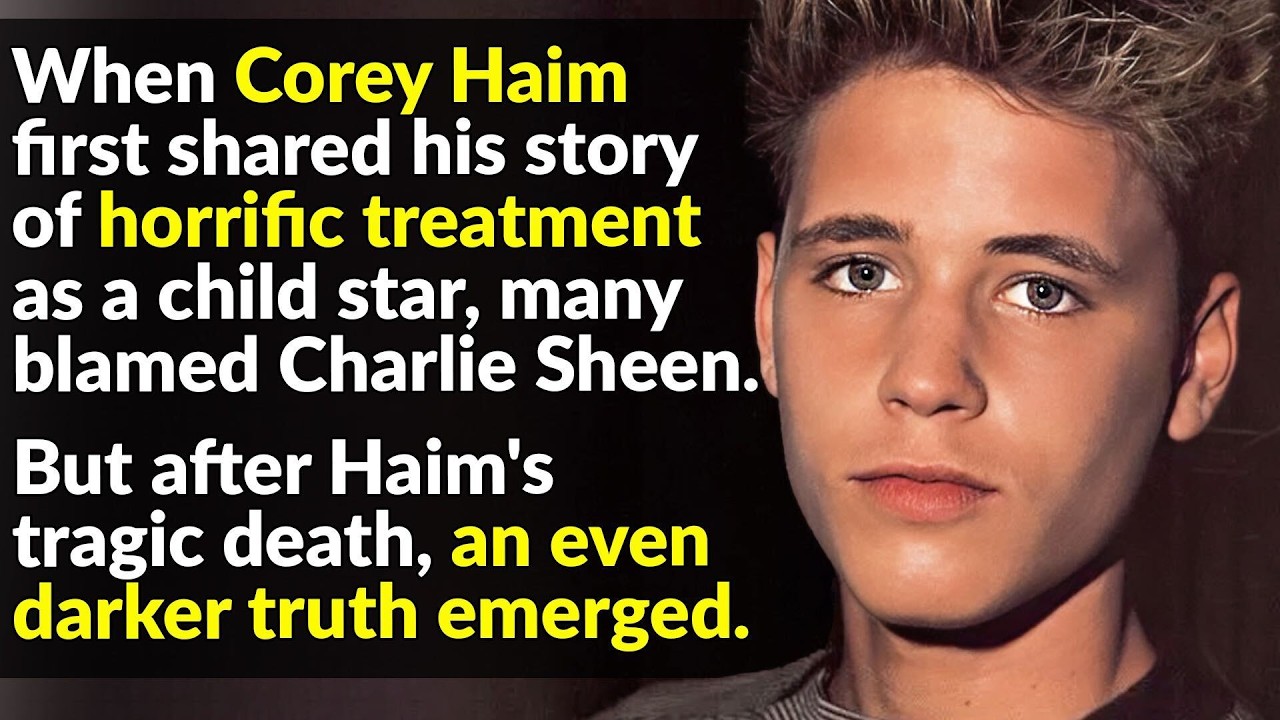
Corey Haim Was Betrayed By Those Closest To Him

The truth about Corey Haim’s tragic life and death had always been whispered in Hollywood’s darkest corners, but now it has exploded into the open with a devastating revelation: the young star was betrayed by the very people who were supposed to protect him. New evidence and witness accounts, including a never-before-seen recording obtained by this news organization, paint a picture of systematic abuse, cover-ups, and exploitation that began when Haim was just a child and continued until his final days. Those closest to him, from his own mother to his on-screen partner and manager, are now accused of either enabling or actively participating in the destruction of the beloved 1980s teen idol. The bombshell disclosure comes a decade after Haim’s death at age 38 from pneumonia and a compromised immune system, officially ruled accidental due to prescription drug misuse. But the new testimony suggests that his addiction was a symptom of a much deeper wound: childhood sexual abuse by powerful figures in Hollywood. Corey Feldman, Haim’s best friend and frequent co-star, has long alleged that both he and Haim were preyed upon by a ring of predators. Now, Feldman has released a documentary containing startling accusations against a group he calls “The Wolfpack,” which he claims actively works to discredit victims and shield abusers. Feldman’s documentary includes a recording, verified by independent analysts, in which Haim himself says that he was molested by Michael Jackson during a visit to Neverland Ranch. The recording, made by Ed Meyer, producer of the reality show “The Two Coreys,” captures Haim’s own voice describing the encounter. This contradicts years of public statements by Haim and his family, who had denied any such abuse. Feldman now says he no longer defends Jackson, but insists that Haim’s trauma ran far deeper than anyone knew. The betrayal started early in Haim’s life, long before he reached superstardom. On the set of his first major film, “Firstborn” in 1984, a 13-year-old Haim made the mistake of complimenting co-star Peter Weller. Weller, who played a violent stepfather, grabbed the teenager, slammed him against a wall, and threatened him for speaking. Weller later blamed his behavior on method acting, but Haim never fully recovered from the fear. According to those who knew him, that incident set the tone for a career marred by intimidation and exploitation. But the most shocking betrayal came from a man Haim trusted as a friend and mentor. Charlie Sheen, the brash star of “Lucas” and “Platoon,” has been accused by multiple sources of sexually assaulting Haim when the young actor was only 14. Dominic Bruscia, a fellow actor and friend of Haim from “The Lost Boys,” has publicly stated that Sheen abused Haim during the filming of “Lucas” in 1986. Sheen has repeatedly denied these allegations, and his denials were bolstered by an unlikely defender: Haim’s own sister, Carrie Haim. She claimed Sheen was too busy with her to have abused her brother. Haim’s mother, Judy, also vehemently denied the abuse, suggesting that Bruscia was the real abuser. However, sources now allege that Judy’s statement was financially motivated—that she was paid by Sheen’s team to deflect blame. The pattern of betrayal continued as Haim’s career soared. He found a brother in Corey Feldman, but even that relationship became toxic. During the filming of their second movie together, “License to Drive,” Haim’s drug addiction surfaced. He began taking Valium, prescribed by doctors to ease withdrawal, and soon was consuming up to 85 pills a day. His manager, Michael Bass, moved into Haim’s mansion, which they purchased together for a charity event that later proved to be a scam. When Haim tried to fire Bass, Bass refused to leave, leading to a confrontation in which Haim fired a BB gun at him. Police arrested Haim, and Feldman had to bail him out for $250. The ultimate betrayal, however, came when Feldman himself fired Haim from the director’s debut film “Busted.” Feldman took the lead role seriously and could not tolerate Haim’s frequent absences and on-set intoxication. The two Coreys, once inseparable, were torn apart by addiction and distrust. Their reality show, “The Two Coreys,” was supposed to be a comeback vehicle, but it became a painful exposé of Haim’s unraveling. In the show, Haim revealed that he had been molested at age 14 by a friend of Feldman’s, and that Feldman knew about the abuse for two years. Feldman insisted he tried to stop it, but the damage was done. In the years that followed, Haim spiraled further. He filed for bankruptcy in 1997, owing the IRS over $100,000. He lived in a simple apartment with his mother, and a pawnbroker recalled him begging for just $3 to buy a slice of pizza. He attempted to sell his own hair and a tooth online to make ends meet. When the producers of “The Lost Boys” sequel refused to cast him, offering only a cameo that he was too impaired to fulfill, Haim hit rock bottom. Yet strangely, he rebounded briefly, appearing in films like “Shark City” and “Crank: High Voltage.” He was finally working again, demanding “clean sets” free of temptation. Then, on March 10, 2010, Haim complained of flu-like symptoms. A doctor dismissed it. Two days later, Haim collapsed at home. His mother found him unconscious. Paramedics rushed him to the hospital, but he died the next day. The official cause was pneumonia and severe lung damage, complicated by prescription drug abuse. He had been using false names to get multiple prescriptions. His mother had no money for a funeral; the city of Toronto had to step in, and ultimately a funeral home paid the costs. The final insult came at the Academy Awards that year: Corey Haim’s name was omitted from the “In Memoriam” segment. He was erased, as if his suffering had never mattered. Now, with Feldman’s documentary and the newly released recording, the truth about Haim’s betrayal is finally being heard. Those who were supposed to protect him—his mother, his sister, his friend, his manager—are all implicated. The question remains: who else was watching, and who else is still hidden in the shadows of Hollywood’s past?

16 August 2026

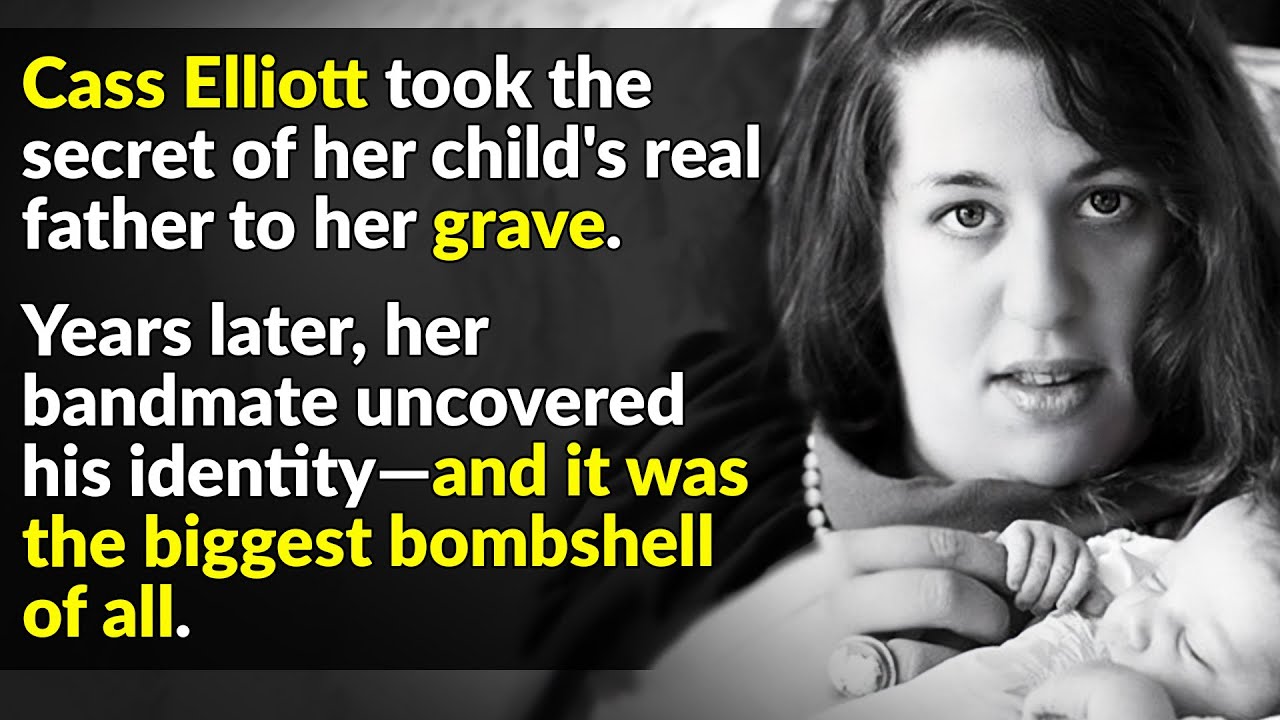
The Tragic Downfall Of Mama Cass

The life of Cass Elliot, the iconic voice behind The Mamas and the Papas, was a symphony of soaring talent and crushing tragedy, a story of unrequited love, secret shame, and a dangerous battle with her own self-image that ended in a sudden, mysterious death at just 32 years old. For decades, the public saw only the radiant, larger-than-life singer who belted out hits like “California Dreamin’” and “Monday, Monday,” but behind the microphone lay a hidden world of humiliation, predatory behavior from her bandmates, and a desperate need for acceptance that ultimately consumed her. The most profound secret she carried to her grave was the identity of her daughter Owen’s father. It was only years later that Michelle Phillips, her bandmate and rival, unearthed the truth, and it sent shockwaves through the music world. The father was Chuck Day, the second guitarist who played on the band’s most famous tracks, a revelation that painted a new, complex picture of Elliot’s private life. Born Ellen Naomi Cohen in Baltimore in September 1941 to Russian Jewish immigrants, financial hardship was a constant companion, but her radiant personality and immense vocal talent were undeniable. Yet, from a young age, she battled the stigma of her weight, a demon that would follow her relentlessly. In high school, she found solace in theater, adopting the stage name Cass Elliot from actress Peggy Cass and a deceased friend, a persona that gave her the courage to leave school and chase Broadway. But the stage was cruel. After losing a role to the then-unknown Barbara Streisand, she turned to music, hoping it would spare her the heartbreak of theater. She formed bands like The Big Three and The Mugwumps, where she met Denny Doherty, the man she would love unconditionally and who would break her heart repeatedly. In a desperate twist, she married Mugwumps guitarist James Hendricks in 1963 as a sham arrangement to help him avoid the draft. There was no love, only a contract born of necessity. When the band dissolved, Cass hoped Doherty would follow her, but he instead joined the New Journeymen, a group featuring John and Michelle Phillips. Cass was willing to do anything to be near him, but John Phillips initially refused her entry, claiming her voice was too deep. Behind closed doors, the reason was crueler: he believed she was simply too heavy for the group. Her confidence already shattered by society’s beauty standards, Cass faced an era that celebrated waif-like figures like Audrey Hepburn. Yet, she was relentless. She followed the New Journeymen everywhere, enduring their degrading treatment as they ordered her around, forced her to serve drinks, and allowed her to rehearse but never perform. The tables turned when the band ran out of money and substances, arriving at Cass’s Los Angeles home desperate for shelter. She offered them a deal: let her into the band or sleep on the streets. The official story spun a different tale—a pipe falling on her head in St. Thomas, supposedly shifting her vocal register to please Phillips—but sources later revealed this was a cover for the shameful fat-shaming that had kept her out. Renamed The Mamas and the Papas, the band soared with hits, but the torment continued. John and Michelle Phillips, along with Doherty, mocked her weight in their lyrics, most infamously in “Creek Alley” with the line, “No one’s getting fat except Mama Cass.” The nickname stuck, and Cass’s dreams of love crumbled when Doherty confessed his affair with Michelle Phillips. Cass was heartbroken, lamenting to Michelle, “You can have any man in the world, why take the one I love?” His rejection, including a drunken dismissal of her marriage proposal, pushed her to bury her pain in substances and wild behavior. In 1967, while in London, she was detained for stealing bed linens from a rented apartment, though rumors swirled that authorities were using her to target her alleged lover and supplier, Mick Dawson. The charges were dropped for lack of evidence, but the scandal forced the cancellation of a scheduled performance. Her days with the band were ending. After a successful solo recording of “Dream a Little Dream of Me,” she left The Mamas and Papas and landed a major six-figure, three-week deal at Caesar’s Palace in Las Vegas. The pressure to slim down intensified, and she adopted a crash diet, fasting four days a week for seven months, losing a third of her 300-pound frame. The price was catastrophic. She developed acute tonsillitis, hemorrhaging vocal cords, mononucleosis, and dangerous hepatitis. On her Las Vegas debut, a star-studded crowd including Jimmy Hendrix and Mia Farrow watched her fumble through a barely audible performance. Her second show was worse, and the audience walked out. Caesar’s Palace canceled her contract, and Newsweek compared the flop to the sinking of the Titanic. Humiliated, she fell into deep depression, but a bright spot existed: her daughter Owen, born just before the Vegas deal. Cass guarded Owen fiercely, refusing to name the father and dismissing nannies who grew too close. The media speculated wildly, and darker rumors followed her, including hosting the cult leader Charles Manson at her parties. John Phillips later blamed her for inviting Manson into their circle, even linking her to the brutal Manson Family murders, though authorities dismissed the accusation. Her career stalled, but she found sporadic TV work, including her own specials, “The Mama Cass Television Program” and “Don’t Call Me Mama Anymore.” In 1971, she married journalist and Bavarian baron heir Donald von Wiedemann, but the union lasted only two months. Her health continued to decline. In 1974, she collapsed backstage at the Johnny Carson show, dismissing it as exhaustion. After wrapping two weeks of concerts at the London Palladium, she attended Mick Jagger’s 31st birthday party on July 29, 1974, then a brunch where she appeared unwell, coughing and struggling to breathe. That evening, at a party hosted by journalist Jack Martin, she seemed distant. She returned to an apartment in Mayfair, and the next morning, her secretary found her lifeless in bed. Her death was attributed to a heart attack, but vicious rumors spread that she had choked on a ham sandwich, a cruel dig at her weight. Four years later, The Who’s Keith Moon died in the same bedroom at the same age. After her passing, Owen went to live with Cass’s sister, Leah. Decades later, Michelle Phillips finally solved the mystery of Owen’s father, revealing it was guitarist Chuck Day. On October 20, 2022, Cass Elliot received a long-overdue star on the Hollywood Walk of Fame, attended by family and her former bandmate. In an era of normalized fatphobia, her talent was often overshadowed by her size, a legacy of pain that still resonates. When The Mamas and Papas reunited for their 1998 Rock and Roll Hall of Fame induction, they needed three backing singers to try and replicate her voice, but they did not succeed. Her presence remains irreplaceable, a haunting reminder of a star who burned too brightly and was snuffed out too soon.

16 August 2026

At 61, Diane Lane Finally Addresses Her Scandalous Affairs

Diane Lane has broken her decades-long silence, finally addressing the scandalous affairs, broken marriages, and painful truths that have shadowed her storied Hollywood career. At 61, the Oscar-nominated actress sat down for a candid conversation, revealing intimate details about her tumultuous personal life that she has kept private for years. The revelations are reshaping everything the public thought they knew about one of the industry’s most respected and enigmatic stars. In a rare and deeply personal interview, Lane spoke openly about the rumors that have followed her since her teenage years. She acknowledged the intense media scrutiny that painted her as a femme fatale, particularly after her iconic role in the 2002 film “Unfaithful.” The performance, which earned her an Academy Award nomination, led the public to conflate her on-screen persona with her real life. Lane now admits that the constant speculation about her love life was exhausting and often inaccurate. “I understand why people thought what they thought,” Lane said. “But the truth is far more complicated than any headline.” She explained that the narrative of a scandalous woman was a convenient story for the tabloids, but it never captured the reality of her struggles. The actress emphasized that her two failed marriages were not the result of affairs or betrayal, but of deep emotional mismatches and the crushing weight of loneliness. Lane’s first marriage to French actor Christopher Lambert began with a whirlwind romance in the 1980s. They married in 1988 and had a daughter, Eleanor, in 1993. But behind the glamorous facade, Lane revealed that she spent most of the marriage in a state of profound isolation. “I was celibate for the vast majority of that marriage,” she confessed. “He was always away filming, and I was waiting for him to come back and make me feel like a woman. That never happened.” The actress described the relationship as a fantasy that could not sustain reality. She admitted that she had been searching for a sense of belonging that her chaotic childhood had denied her. Lambert, she said, was “the least likely person on the planet to give me what I needed.” The marriage ended in divorce in 1994, leaving Lane to confront the voids she had tried to fill with a partner who was never present. Her second marriage, to actor Josh Brolin, was even more turbulent. They wed in 2004, but just four months later, Lane called police after a domestic altercation. Brolin was arrested for misdemeanor domestic battery. Lane now addresses that night for the first time in detail. “It was a misunderstanding, but it was also a wake-up call,” she said. “Josh was struggling with alcoholism, and I was trying to hold everything together. It was unsustainable.” Brolin later credited the divorce in 2013 as the catalyst for his sobriety. Lane acknowledged that she had been a caretaker in the relationship, a role that drained her. “I loved him, but I couldn’t save him. I had to save myself,” she said. The actress noted that the public often assumed she was the instigator of scandals, but in reality, she was a survivor of circumstances beyond her control. Lane also addressed the rumors of affairs that plagued her early career. As a teenager, she ran away to Los Angeles with actor Christopher Atkins, an act she now calls “dangerous and reckless.” She said it was a cry for help from a child star who had been thrust into adulthood too quickly. “I had too much independence at too young an age,” she explained. “I was looking for escape, not scandal.” The actress reflected on her childhood, marked by a bitter custody battle between her parents. Her mother, a Playboy centerfold, and her father, an acting coach, fought over her for years. Lane was forced to choose sides, a trauma she says shaped her entire life. “Being fought over is really tricky,” she said. “You feel like you’ve done something wrong just by showing up.” She did not speak to her mother for three years after one incident, though they eventually reconciled. Now in her 60s, Lane is single and intentionally unmarried. She has dedicated herself to her craft, taking on roles in prestige television and blockbuster franchises like the DC Extended Universe, where she played Superman’s mother, Martha Kent. She says she has finally found peace. “I don’t need a partner to complete me,” she stated. “I’ve spent too many years waiting for someone else to make me feel whole. Now I know I am whole on my own.” The actress also addressed the persistent media narrative that she was the inspiration for Bon Jovi’s song “You Give Love a Bad Name.” She dated the rock star briefly in 1984, but insists she never wore red nail polish, as the song’s lyrics suggest. “It’s a great story, but it’s not true,” she laughed. “I was 20, and every girl should have such a wonderful experience. But I did not inspire that song.” Lane’s career resurgence with “Unfaithful” was a turning point. She pursued the role aggressively, knowing it would challenge her. The film’s famous improvisational scene, shot in a single take, became iconic. Lane admitted she thought the footage would be unusable, but the editor’s genius intercutting made it unforgettable. The performance earned her critical acclaim and a new generation of fans. Looking back, Lane says she has no regrets. “Every mistake, every heartbreak, every scandal taught me something,” she said. “I am not the woman the tabloids made me out to be. I am a survivor, a mother, an artist. And I am finally ready to tell my own story.” The interview has sent shockwaves through Hollywood, with many colleagues expressing support. Lane’s candor is being hailed as a powerful act of reclaiming her narrative. For decades, she allowed the rumors to swirl without comment. Now, at 61, she has set the record straight, offering a raw and unflinching look at the price of fame and the resilience required to endure it. As the entertainment world digests her revelations, one thing is clear: Diane Lane is no longer the subject of scandal. She is the author of her own truth. And that truth is far more compelling than any headline ever was.

16 August 2026