The Bewitched Star With A Scandalous Secret

The television mother America adored had a secret she guarded until the grave, a truth so twisted it rewrites the legacy of one of Hollywood’s most enigmatic stars. Agnes Moorehead, immortalized as the caustic witch Endora on the beloved 1960s sitcom “Bewitched,” died on April 30, 1974, at the age of 73, succumbing to uterine cancer that had ravaged her lungs. But in the cold, legal language of her last will and testament, a bombshell emerged that shattered the carefully crafted image of a doting foster mother. Moorehead deliberately and coldly erased her foster son, Shaun Lee, from her life, leaving him nothing and claiming she had no children, living or dead. The revelation, unearthed by biographers and legal analysts in the weeks following her death, has ignited a firestorm of questions about the actress’s private life, her tumultuous relationships, and the dark undercurrents that defined her existence. The story begins in 1952, when Moorehead and her then-husband, actor John Griffith Lee, took in a young boy named Shaun, whom they called Sha. To the public, it was a heartwarming tale of a successful actress opening her home to a child in need. Photographs from the era show Moorehead smiling with the boy, a picture of maternal warmth that played perfectly into the wholesome image Hollywood demanded. But behind closed doors, the reality was far more complex. Moorehead, a woman of fierce ambition and rigid discipline, imposed a suffocating control over Sha’s life. Sources close to the family describe a household governed by strict rules, where creativity was encouraged only within the boundaries of her own theatrical vision. Sha, who had been placed in her care through a foster arrangement, was expected to conform to her exacting standards, leaving little room for the freedom a growing boy craves. The tension reached a breaking point when Sha finished high school, a milestone that coincided with Moorehead’s peak fame on “Bewitched.” He left home immediately, severing ties with the woman who had raised him. The departure was not a temporary rebellion but a permanent rupture. Sha vanished from her life, and she never saw him again, even as her health deteriorated. When her friend, actress Debbie Reynolds, offered to track him down during Moorehead’s final battle with cancer, the response was chilling. Moorehead refused, stating that anything involving Sha would only upset her. This cold rejection was codified in her will, which made no mention of him. Instead, she distributed her estate to a handful of institutions and friends, including $25,000 to Muskingham College, her alma mater, and her collection of Bibles to John Brown University. The omission was not an oversight but a deliberate act of erasure. This scandalous secret is only the latest chapter in a life marked by contradictions and hidden truths. Born Agnes Robertson Morehead on December 6, 1900, in Clinton, Massachusetts, she was the daughter of a Presbyterian clergyman and a former performer who was just 17 at the time of her birth. Her mother, Mary, nurtured her creativity, often asking, “Who are you today, Agnes?” But her father, John Henderson Morehead, was a disciplinarian who forced her to memorize psalms while sitting on a stack of encyclopedias as punishment. This duality—a blend of artistic encouragement and harsh control—shaped her personality and her career. She earned a biology degree from Muskingham College in 1923 and later a master’s degree in English and public speaking, all while honing her craft in college plays. Her early years in New York were brutal, marked by poverty so severe that she once went four days without food. Her big break came through radio, where she appeared on multiple programs daily, honing her voice into a powerful instrument. But it was her association with Orson Welles that catapulted her into cinematic history. She met Welles when he was just seven years old, and by 1937, she had joined his Mercury Players. Her role in “Citizen Kane” brought her critical acclaim, and her performance in “The Magnificent Ambersons” earned her an Oscar nomination. Yet, her personal life remained a battlefield. Her first marriage to John Griffith Lee was fraught with resentment over her success. He once reductively called her his “meal ticket,” a wound that never fully healed. They divorced in 1952, the same year they fostered Sha. Her second marriage, to actor Robert Gist, was even more scandalous. He was 17 years her junior, and rumors of his infidelity were rampant. The union lasted only four years, ending in 1958. Whispers about Moorehead’s sexuality have long circulated in Hollywood, and they have only intensified in the wake of her death. Fellow “Bewitched” actor Paul Lynde, known for his own flamboyant persona, made explosive claims that Moorehead had romantic relationships with women, including a rumored affair with Debbie Reynolds. Lynde alleged that Moorehead had “many intimate lady friends” in her early career before she became “puritanical.” He even claimed that during a fight with one of her husbands, she yelled, “If you can mingle with women outside of our relationship, I can too.” Reynolds later denied the affair, but her ex-husband, Eddie Fisher, threatened to expose details in his autobiography, prompting Reynolds to pressure him with legal action. When writer Boze Hadley questioned Moorehead about her sexuality in 1973, she was evasive, saying, “Yes, you’d love to put me in their excellent company, even if I don’t belong in the same category.” The actress’s disdain for her most famous role is another layer of this tangled narrative. She initially rejected the part of Endora on “Bewitched,” calling the scripts “hack” and the writing “trite.” She only accepted after a chance encounter with lead actress Elizabeth Montgomery at a department store, where Montgomery personally asked her to join the cast. Moorehead expected the show to last one season, but it ran for eight years, from 1964 to 1972. Despite earning six Emmy nominations, she resented being typecast as a witch. “I’ve been in movies and played theater from coast to coast,” she once said. “I don’t want to be identified as the witch.” Her relationship with Montgomery was warm, but she clashed with co-star Dick York, who called her a “tough old bird.” The tragedy of Moorehead’s death is compounded by its link to one of Hollywood’s darkest environmental disasters. She starred in the 1956 film “The Conqueror,” which was filmed in Utah near covert government nuclear test sites. Of the 220 cast and crew members on set, nearly half were diagnosed with cancer during their lifetimes. Moorehead’s mother believed the film destroyed her daughter, and the diagnosis of uterine cancer that spread to her lungs in 1973 seemed to confirm the curse. She fought the disease at the Mayo Clinic in Rochester, Minnesota, but died on April 30, 1974. Her mother, Mary, outlived her, inheriting her jewelry and clothing. In the end, Agnes Moorehead left behind a legacy of brilliance and bitterness. She was a consummate professional who mentored young actors, running a drama school from her home for years. But she was also a woman who could not forgive, who chose to erase a child from her life and her will. The question of why she abandoned Sha remains unanswered, a mystery that haunts her memory. Was it the stifling control she exerted as a parent, as Lucille Ball suggested, or something darker? The public may never know. What is certain is that the woman who played a witch on television lived a life full of spells and shadows, and her final act was to cast one last, devastating curse.

28 August 2026

At 62, Demi Moore Opens Up About the Relationship That Destroyed Her

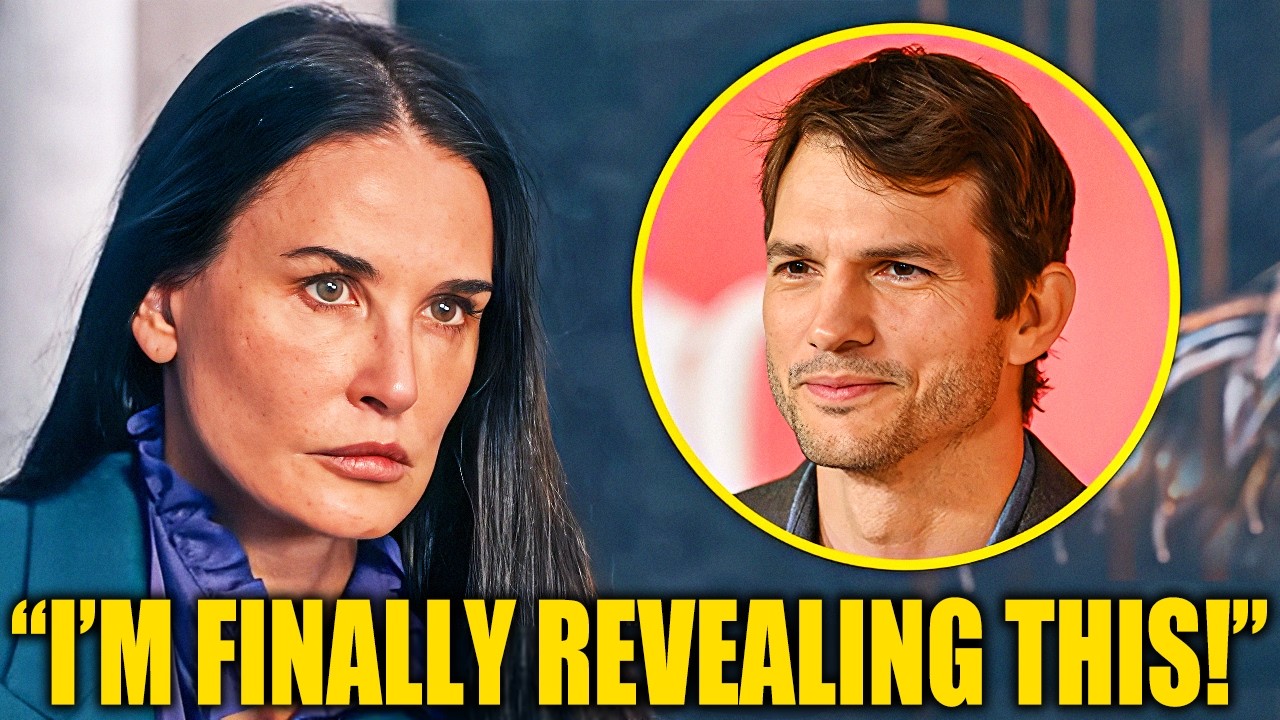
She was Hollywood royalty, a trailblazer who demanded equal pay and shattered box office records. But behind the iconic image of Demi Moore lay a life marked by profound betrayal, addiction, and a desperate search for love that nearly destroyed her. Now, at 62, the actress is laying bare the raw, unfiltered truth about the relationship she says broke her, revealing a story far darker than any film script. In a deeply personal and sweeping new narrative, Moore has opened up about the marriage to Ashton Kutcher, a 15-year age-gap romance that began as a fairy tale and ended as a catastrophic unraveling of her sense of self. It was a relationship she once called a do-over, a chance to reclaim a youth she never had, but it ultimately became the catalyst for a devastating relapse and a confrontation with the deepest wounds of her past. The actress, who rose from a traumatic childhood in Roswell, New Mexico, to become the highest-paid actress in the world, has spent decades looking fearless on screen. Yet her private life tells a rougher story, one of broken marriages, painful family wounds, and years when love seemed to cost her more than it gave. Her latest revelations paint a portrait of a woman who, despite global fame, was still fighting the battles of a frightened child. Moore’s childhood was anything but safe. Born Demetria Gene Harmon, her biological father left before she was born, and she was raised by a stepfather whose work kept the family moving. Her mother, Virginia, struggled with alcohol and had a long arrest record. At just 12, Demi had to pull pills from her mother’s mouth during a suicide attempt. By 15, she was sexually assaulted by a much older man who claimed he had paid her mother for access. This early betrayal set a pattern. Moore learned to bend herself around other people’s needs, seeking validation in relationships that often mirrored the instability of her youth. She married musician Freddy Moore at 18, a union that ended in divorce amid her own infidelity and growing struggles with drugs and alcohol. Her career, however, was skyrocketing, with roles in St. Elmo’s Fire and About Last Night cementing her as a Brat Pack icon. Her marriage to Bruce Willis in 1987 seemed to offer a different path. They were a Hollywood power couple, raising three daughters while both careers boomed. Ghost, A Few Good Men, and Indecent Proposal made her a global superstar. But the pressure of fame, the constant public scrutiny, and the demands of her career took a toll. Willis later admitted he was unsure he wanted to stay married, and they separated in 1998. The divorce from Willis, coupled with her mother’s death, sent Moore into a period of retreat. She moved to Idaho, focused on her daughters, and largely disappeared from Hollywood. It was during this quiet period that she met Ashton Kutcher, a 25-year-old actor who seemed to offer a second chance at youth and happiness. She later described the relationship as a do-over, a chance to feel young in a way she never had. But the relationship quickly became a pressure cooker of insecurity and grief. Moore became pregnant, but suffered a devastating miscarriage at nearly six months. The loss decimated her, and she became consumed with the desire for another child. After nearly two decades of sobriety, she began drinking again, a decision she now says was rooted in a desperate need to seem easy, young, and fun for her younger husband. The drinking spiraled. She began using Vicodin, taking up to 12 pills a day. She agreed to threesomes, a decision she later called a mistake, all in an effort to prove she could be open and fun. The more she pushed aside her own limits, the harder it became to separate what she wanted from what she feared losing. The relationship that once made her feel young was now touching every old fear she had spent years trying to outrun. Then came the betrayal she could not ignore. In her memoir, Inside Out, Moore revealed that she learned through a tabloid report that Kutcher had been with another woman in their marital home while she was away. He admitted it, arguing that their earlier decision to bring a third person into the marriage had blurred the boundaries. Another allegation arrived in 2011, around their sixth wedding anniversary. Moore said a notification on her phone told her Kutcher had been caught cheating again. When she called him, he admitted it immediately. Her response was simple and furious: Are you kidding me? She had to step onto a red carpet almost immediately afterward, describing having an emotional Iron Man suit that allowed her to disconnect and keep functioning while something inside her was falling apart. In November 2011, she announced she was ending the marriage. But for Moore, the breakup reached far beyond the end of one marriage. She later told Diane Sawyer that it brought her back to the frightened child who had never felt safe. It touched the belief that she was not lovable or deserving. The impact was severe, with sources saying the split damaged her confidence and took years to recover from. The aftermath was a public unraveling. In January 2012, Moore suffered a seizure at a party after using synthetic cannabis and nitrous oxide. She later admitted her life was unraveling. She had no relationship, no career, and her daughters became estranged from her. She entered treatment for substance abuse, trauma, and codependency, beginning the slow, painful work of rebuilding her life and her relationships with her children. The divorce was finalized in November 2013. Moore spent years in therapy, looking at the deeper patterns that had followed her through different stages of her life. She realized how often she had put another person’s needs ahead of her own, a pattern she traced back to her childhood. She said people are often trained to focus on being desired while forgetting they have desires of their own. In September 2019, Moore published Inside Out, a memoir that became a number one New York Times bestseller. She wrote about the assault, the addiction, the marriages, and the painful choices she made while trying to feel wanted. She made clear the memoir told events from her point of view, and Kutcher did not publicly answer her specific claims at the time. Years later, Moore has found a different kind of peace. She has spoken about staying close to Bruce Willis as his health declines from frontotemporal dementia, saying she sees him every week and treasures the time their family shares. Her career has entered an unexpected new chapter, with her role in The Substance earning her a Golden Globe, a Critics Choice Award, and an Academy Award nomination. In 2025, People named her the world’s most beautiful, and Time placed her among its 100 most influential people. Her family remains central to her story, with her daughters speaking about handling difficult relationships with grace and love. Even Kutcher has spoken warmly about her comeback, saying he was proud of her performance in The Substance. But the question remains: Was Ashton Kutcher truly the relationship that broke Demi Moore the most? Or did it simply reopen wounds that were already there? Looking back at everything she has revealed, the real turning point may not have been a single act of betrayal, but the moment she realized she had given away her power, trying to become what someone else wanted instead of trusting what she already knew about herself.

28 August 2026

Hollywood’s Worst Mother

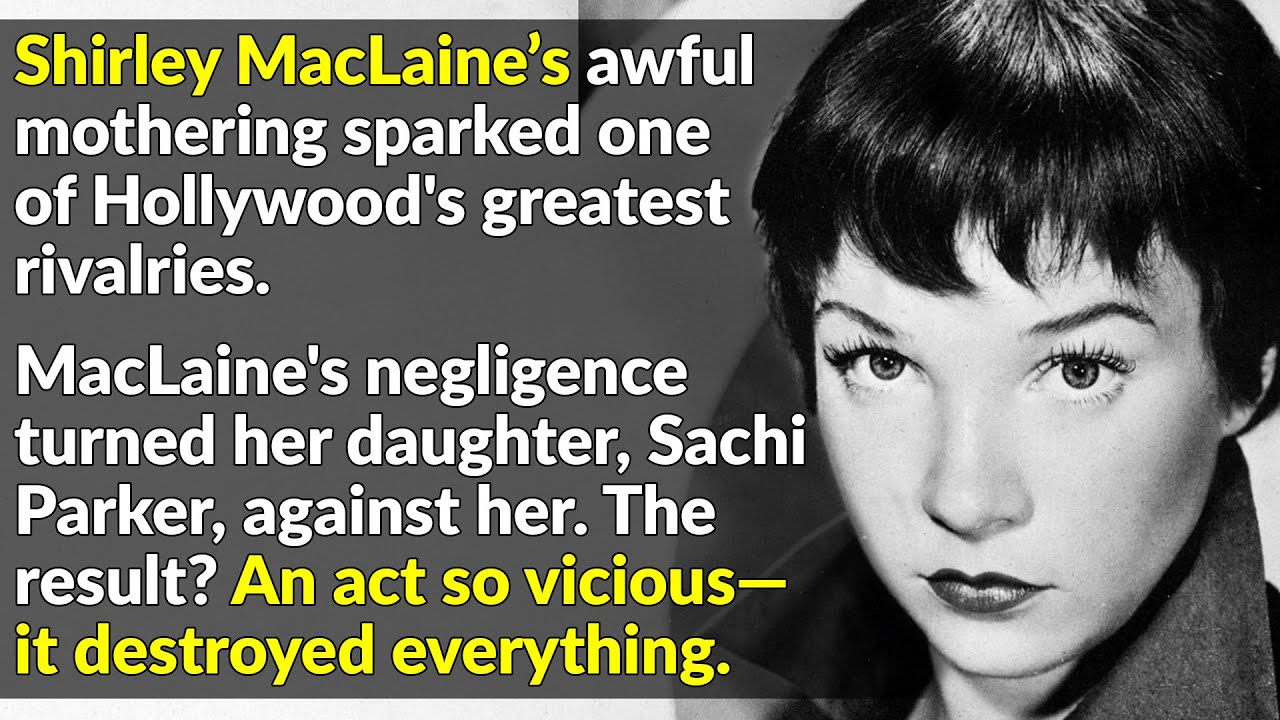
The relationship between Hollywood royalty Shirley MacLaine and her daughter Sachi Parker has been exposed as a decades-long nightmare of neglect, abandonment, and calculated revenge, according to explosive revelations from family insiders and Parker’s own devastating tell-all memoir. The Oscar-winning actress, now celebrated as a living legend with a career spanning over eight decades, is being revealed as the industry’s worst mother, a woman whose parenting choices have sparked one of the most bitter and painful mother-daughter rivalries in entertainment history. MacLaine’s negligence turned her daughter against her with such ferocity that Parker plotted an act of revenge so painful it destroyed everything, leaving a trail of emotional wreckage that continues to haunt both women to this day. The full scope of this family tragedy is only now coming to light as new details emerge about the actress’s shocking decision to abandon her only child in Japan while pursuing her own career ambitions. Born Shirley MacLaine Beaty in 1934 in Richmond, Virginia, the actress seemed destined for greatness from the very beginning. Her love for performing was in her blood, with her father dreaming of running away to the circus and her mother working as a passionate drama teacher. Her parents named her after the famous child star Shirley Temple, but MacLaine would ultimately forge her own path to superstardom, eclipsing even that legendary name. When she was three years old, MacLaine gained a new sibling, a little brother named Warren Beaty, who would also become one of Hollywood’s most celebrated figures. The siblings were very close as children, with MacLaine describing him as her kid brother and their friendship as an alliance. She admits, however, that on some subconscious level they competed for their parents’ attention, a dynamic that would later explode into a Cold War between them that lasted for years. In the summer of her senior year, Shirley decided to try her hand at Broadway. Luck was on her side and she landed a part as a chorus girl in Oklahoma. Once she got a taste of acting, she felt it was her greatest joy, later declaring that once she graduated from high school there was no question what she was going to do. She got the chance of a lifetime in 1954 when the lead actress in The Pajama Game injured her ankle. As her understudy, MacLaine had to step in suddenly, transforming from chorus girl to star. An important person in the audience was watching that night. Film producer Hal B. Wallace was so impressed by MacLaine that he signed her to a five-year contract with Paramount Pictures. She made her big screen debut in Alfred Hitchcock’s The Trouble with Harry, and although the movie was not a huge hit, MacLaine was, winning her first Golden Globe for New Star of the Year. MacLaine soon realized that her boss seemed to like hanging out with her quite a lot. The pair spent many evenings trying out new restaurants and chatting. She was young and starstruck, and frankly she enjoyed Hitchcock’s company as much as he seemed to like hers. Whatever MacLaine might have expected from her meetings with Hitchcock, it is safe to say she never expected criticism for their behavior. A few weeks into their routine of eating out together, MacLaine received a call from the head of Paramount Pictures. He told her she needed to stop eating or they would have to tear up her contract. Apparently she had gained 25 pounds from all that fine dining, and of course the studio could not have that. After appearing in several pictures, MacLaine earned her first Academy Award and Golden Globe nomination for Best Actress for Some Came Running in 1958. Not long after MacLaine made her mark in Hollywood, her brother Warren Beaty also headed to Tinsel Town. He did not, however, want to ride on his sister’s coattails. That is why he decided to use the last name his sister was not using and changed it even further by adding an extra T. He did not want anyone to find out that MacLaine was his big sister, but there may have been another reason he wanted to keep their relationship a secret. A reporter once referred to Beaty as Shirley MacLaine’s brother. This seemingly harmless introduction riled him, and he insisted that MacLaine be referred to as his sister instead of the other way around. Everyone heard about his demand, and his sister felt very hurt by it. She refused to talk about it, and most tellingly, she refused to talk to him. Thus began the MacLaine-Beaty Cold War. Today MacLaine admits that she and Beaty have gone through their share of ups and downs, but at the end of the day she calls him the person she has known the longest, loved the longest, and always will. The siblings never worked together because Shirley did not think they would make a good team. She always worried about him, especially before he settled down and got married. There was no denying that MacLaine excelled in her professional career, but was her personal life a huge hit too? It certainly seemed like it when she was 18 and part of the chorus on stage. She saw businessman Steve Parker walk into the room, and from that moment everything changed. She knew instantly that her life was about to take a whole new course. The couple married in 1954 and seemed to be very happy together. She called him her mate, counselor, friend, and even the love of her life. However, MacLaine certainly had her own take on love and marriage. Despite having feelings for Parker, she never wanted to be limited by monogamy. She declared she could never live a life where she felt tied down to a promise just because her love hormones were raging at the time. They decided to have an open marriage which lasted 28 years, but it was not all fine and dandy. One day MacLaine discovered that her husband was transferring large amounts of money to his girlfriend’s account, her money. But she decided to give him the benefit of the doubt. She admitted that he should have asked her before using her money but excused him because he intended to make profitable investments. Unfortunately, the projects all failed. It was probably a blessing that she learned about his investments before he completely bankrupted her. In 1956, MacLaine experienced a life-changing event. She became a mom. The couple named the child Stephanie Sachiko Parker and appeared to be over the moon at her arrival. Sadly, their euphoria would not last long. Having a child at home is a full-time responsibility, one MacLaine was not prepared for, so she made a shocking decision. When Sachi was six, MacLaine and Parker moved to Japan. The reason MacLaine gave was that she did not think Hollywood was a safe place to raise a child. But although her intentions were good, her parenting plan had some serious flaws. MacLaine insists she was a very hands-on parent for the time she lived in Japan. Eventually, though, she faced a difficult choice. She could not stay in Japan if she wanted to continue working. Putting her work first, MacLaine left Sachi and her dad and flew back to Hollywood. From then on, she only got to see her daughter during Christmas and other holidays. This decision resulted in a tragic divide between mother and daughter that would only deepen with time. MacLaine secured the title role in Irma la Douce after Marilyn Monroe’s tragic passing, but she was not a fan of the film and found it surprising that the academy nominated her for her performance. In order to play the role of Irma, a Parisian sex worker, believably, MacLaine went to the source itself. She traveled to Paris and found that the ladies were very willing to talk to her about their lives. They insisted that she watched them in action and felt insulted when she tried to politely decline. Eventually MacLaine agreed and watched the girls with a customer through a tiny window, all for the sake of art. Remember the guy who gave MacLaine her first break in movies, Hal B. Wallace? Well, he may have thought that introducing her to Hollywood gave him some kind of control over her, but if he thought he could intimidate MacLaine, he had another thing coming. According to MacLaine, he tried to stick his tongue down her throat. MacLaine was furious. She slapped him hard and he backed off immediately, trying to save face by gifting her a sports car the next day. Perhaps he thought he could buy her silence, but his shocking and disgusting behavior continued. Next he violated some terms in her contract. Of course she was not going to take that lying down. In true boss lady fashion, she sued him and eventually won. This was the beginning of the end of the old school system of star management, and Shirley had started it. In 1966, MacLaine sued 20th Century Fox for a breach of contract. They had promised her a film remake of a play and backed out of the deal at the last minute. The case made it all the way to the Supreme Court and was finally decided in her favor. It was such a famous case that it made it to law textbooks as an example of employment contract law. If it had not been clear to her employers before, it certainly was now. Shirley MacLaine was not to be trifled with. When it came to on-set romances, MacLaine had a type. She liked dangerous and complicated men. She enjoyed figuring them out, and if anyone fit the bill, it was Robert Mitchum. She had no reservation when it came to diving into a full-fledged affair with him. Interestingly, when she was a teenager, MacLaine had had a huge crush on Mitchum, so their romance was a literal dream come true. You would think a woman as successful as MacLaine might worry about her fragile reputation, but she never thought twice about whether doing something would impact her career. That is why she flew around the world with Danny Kaye in search of good food. Her taste in men extended beyond the realm of Hollywood too. MacLaine did not shy away from pursuing men in politics. She certainly managed to befriend quite a few of them, from Swedish Prime Minister Olof Palme to Canadian Prime Minister Pierre Trudeau, not to mention Australian Foreign Minister Andrew Peacock. She managed to juggle colorful relationships with each of these powerful men. After being nominated for an Academy Award for Best Actress several times, MacLaine finally brought the golden statue home for her performance in Terms of Endearment. The film itself was a huge hit and MacLaine’s acting received rave reviews. Sadly, sometimes reality mirrors fiction, and that seems to be the case in Terms of Endearment, where MacLaine has a fraught relationship with onscreen daughter Debra Winger. To say the pair did not hit it off in reality either would be an understatement. In fact, Winger took rather extreme measures to ensure MacLaine knew exactly how she felt about her. According to MacLaine, Winger showed her what she thought of her by farting loudly and obviously in her direction. Still, Winger was not MacLaine’s only antagonistic co-star. MacLaine worked alongside Anthony Hopkins in A Change of Seasons, and the two famously did not get along at all. In fact, Hopkins called her the most obnoxious woman he had ever shared a screen with and said she was overbearing and annoying. MacLaine’s reply was a cool, I do not like him either. It is no wonder that these two never worked together again. There are many things you might call MacLaine, but if there is one thing no one can call her, it is lazy. The woman has worked in over 60 films, appeared in several television shows, acted on Broadway, and as if that was not enough, she has also written 12 books. Most of these books explore her keen interests in reincarnation and metaphysics. MacLaine’s spiritual beliefs are definitely not mainstream. She strongly believes that humans live many lives and that their souls keep showing up in different times and in different forms. Because of this, she also believes that she lived in Atlantis. Her other past lives have also seen her as a harem girl in Turkey, a Muslim gypsy in Morocco, and an entertainer in Israel. Although she often discusses her past lives in her writing, there is more than enough drama peppered throughout her current lifetime. Her incredibly busy acting career took a huge toll on her personal life. Her daughter Sachi Parker longed for a mother whom she could only see on screen. Sachi moved back to the United States in 1981, hoping to reconnect with her mom and pursue acting as well. If you thought MacLaine would love having her daughter so close by after so long, you would be wrong. In a tell-all autobiography titled Lucky Me: My Life With and Without My Mom, Shirley MacLaine, Sachi made a full disclosure about her non-existent relationship with her mother. Once while Sachi attended high school in Europe, both MacLaine and Parker forgot about her at Christmas. Apart from being negligent and largely absent from her daughter’s life, MacLaine had never helped her financially either. Sachi had to fend for herself, working several jobs as a skiing instructor, a waitress, and an au pair. She also claimed that MacLaine actively sabotaged her acting career. MacLaine had no time for Sachi’s grievances. She said the book was a dishonest, opportunistic effort from the child she had only wanted the best for and whom she had always loved. Strong, talented, unapologetically herself, and full of controversial opinions, Shirley MacLaine truly is a living legend, but the scars she left on her own daughter may never heal.

28 August 2026

Dolly Parton Leaves Behind a Fortune That Makes Her Family Cry

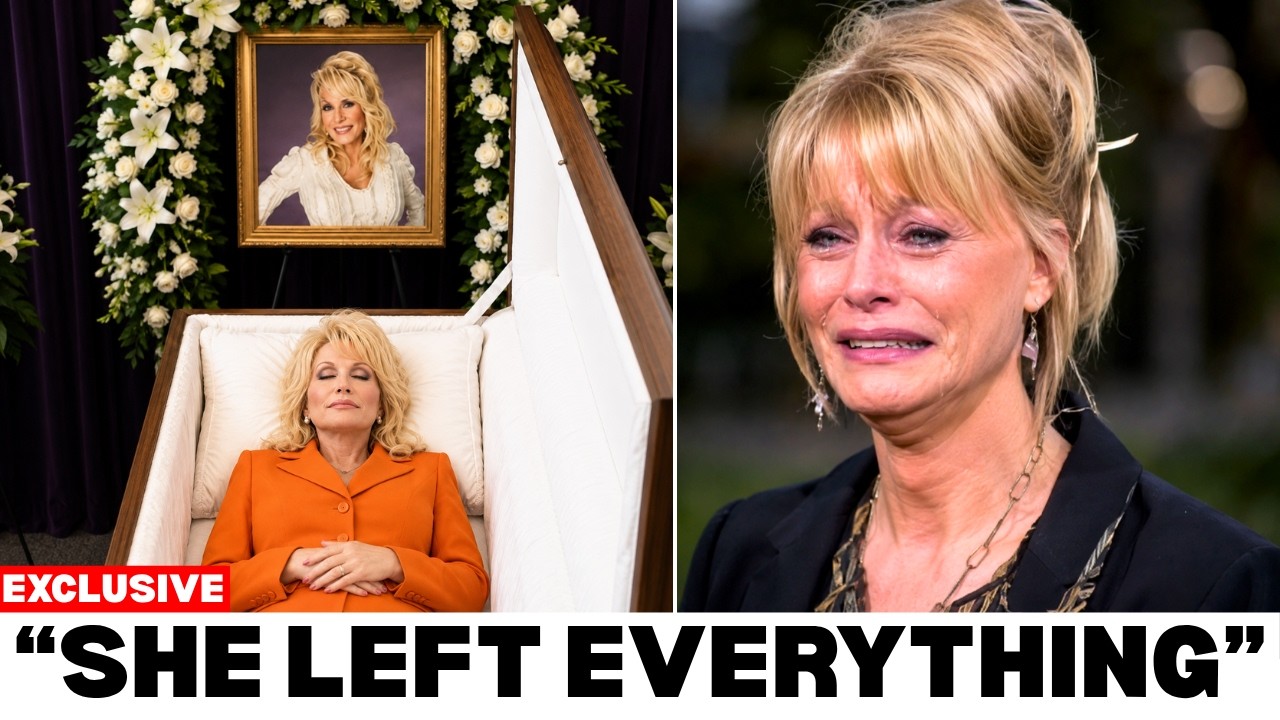
The world lost one of its most beloved entertainers on August 25, 2026, when Dolly Parton died in Nashville at the age of 80, closing a career that transformed country music and built a fortune estimated at $450 million, but the tears flowing from her family this week have nothing to do with the money. Behind the rhinestones and the signature blonde wigs sits an empire built from a theme park, a songwriting catalog valued at $120 million on its own, and decades of savvy business decisions that turned a Tennessee mountain girl into one of the wealthiest performers of her generation. The question now tearing through the entertainment world is simple but devastating: who actually inherits all of it now that she is gone, and why is her family grieving so much more than the fortune she left behind? The rise of Dolly Rebecca Parton began in a one-room cabin in the Great Smoky Mountains of Sevier County, Tennessee, where she was born on January 19, 1946, one of 12 children raised by parents who often could not afford new shoes. She grew up singing on the porch and in church, and by the time she was 10 years old, she was already appearing on local radio and television around Knoxville with a voice that seemed destined for something far bigger than the poverty surrounding her. The day after she graduated high school in 1964, she boarded a bus for Nashville with a suitcase and a stack of songs, determined to make a living from the only thing she ever really wanted to do. Can you imagine leaving everything you know behind at 18 with nothing but a guitar and a dream, and somehow turning that gamble into one of the biggest fortunes in entertainment history? That is essentially what happened, and the world has never been the same since. Parton signed with Monument Records, then spent years as a featured singer on the Porter Wagoner Show before striking out on her own in 1974 with hits like Jolene and I Will Always Love You, songs that would eventually generate royalties for the rest of her life and long after it. Her songwriting alone became a financial engine most artists never come close to matching, with more than 3,000 songs credited to her name over her career. The publishing catalog was valued by Forbes at roughly $120 million on its own, a figure driven largely by I Will Always Love You, a song Whitney Houston later turned into one of the bestselling singles of all time. Parton famously turned down an offer from Elvis Presley’s manager to record the song decades earlier because he wanted half the publishing rights, a decision that many industry insiders now consider one of the smartest financial calls ever made by a songwriter. That single choice likely cost her millions in upfront money but earned her tens of millions in the decades that followed, a pattern of long-term thinking that defined her entire career. Music was only the beginning of the story, though, and the scope of what she built extends far beyond the recording studio. In 1986, Parton partnered with Herschend Family Entertainment to transform a modest Tennessee attraction into Dollywood, a theme park that now draws close to 3 million visitors every year to Pigeon Forge. Her ownership stake in that park, along with related resorts and water parks under the same corporate umbrella, became the single largest piece of her overall wealth, reportedly worth far more than her music rights combined. Beyond the park, she built out a business empire that included a dinner theater franchise, a stake in a Nashville hotel, clothing lines, cookware, a bakery, and eventually a partnership with Duncan Hines on a line of baking mixes that carried her name into grocery stores across the country. By the time of her death, various outlets placed her total net worth anywhere between $450 million and $650 million, with a widely cited breakdown crediting her sprawling brand empire alongside her enormous music catalog for most of that figure. Whatever the precise number, almost everyone agrees on one thing: Parton built her fortune the hard way through decades of relentless work rather than a single lucky break. Her wealth was never built on music alone, either, and she crossed successfully into film and television starting in 1980 with 9 to 5, a comedy that became a massive box office hit and earned her an Academy Award nomination for the title song she wrote for it in a single afternoon. She followed that with more film roles through the decade, including Steel Magnolias in 1989, and later spent years developing television specials, a long-running variety show, and eventually a Netflix anthology series and an original stage musical built around her own catalog of songs. Each of those projects added another revenue stream on top of her music royalties and her stake in Dollywood, reinforcing just how many different directions her income actually came from by the time she reached her 80s. Her achievements outside the business world only added to that reputation, with multiple Grammy Awards, a Kennedy Center honor, the Presidential Medal of Freedom, and a Grammy Lifetime Achievement Award placing her among the most decorated performers country music has ever produced. She was also famously generous with the wealth she earned, donating $1 million toward vaccine research at Vanderbilt University Medical Center during the early days of the COVID-19 pandemic, a gift that helped fund work behind the Moderna vaccine. Years earlier, she had made a major donation to a children’s hospital in East Tennessee that was later renamed in her honor, and that pattern of giving away large sums almost as quickly as she earned them is part of why so many people close to her expect her estate to lean heavily toward charitable causes rather than private wealth. Of course, building a fortune is only half of the story, and knowing what happens to it after you are gone is an entirely different puzzle. In Parton’s case, that puzzle is more complicated than almost anyone expected, with decades of business ventures, music royalties, real estate, and investments creating a web of ownership that will take months or even years to fully untangle. The question of who ultimately inherits, manages, or benefits from that wealth raises some fascinating possibilities, and what her husband’s own estate quietly set in motion years before her passing changes how you should think about everything that comes next. To understand what might happen to Parton’s estate, you first have to understand what happened with her husband, Carl Thomas Dean, who died in March 2025 at the age of 82 after nearly 60 years of marriage. The couple met outside a Nashville laundromat on Parton’s very first day in the city, and unlike almost every other celebrity marriage of that length, Dean spent decades deliberately avoiding the spotlight, rarely appearing at premieres or award shows alongside his famous wife. When Dean passed away, reports later revealed that his own will, signed back in 2013, left his entire estate to a trust established in Parton’s name, along with every personal item, title, right, vehicle, piece of jewelry, musical instrument, and entertainment-related interest he owned. Court filings behind the arrangement brought new attention to the trust and also showed he left a handwritten note naming specific nieces and nephews who would receive certain personal and household items, with Parton herself responsible for distributing anything not explicitly listed. That detail matters more than it might seem at first glance because it shows Dean and Parton had already been thinking carefully about legacy and inheritance years before either of them died. Parton herself confirmed as much in a 2020 interview with Billboard where she revealed that she and her longtime manager Danny Nozell had been working with an estate lawyer for years to get her affairs in order. She did not mince words about why, explaining that she never wanted to leave a mess behind for her family to fight over, calling the process a genuine pain but an essential one for any artist with real assets to protect. It is a strikingly practical mindset for someone so often associated with glitter and rhinestones, and it suggests that whatever her will ultimately says, it was not written in a rush or as an afterthought. Still, having a plan and having that plan become public are two very different things, and that gap is exactly where the uncertainty around her fortune begins. Dean’s own death had already given the public a small window into how private the couple preferred to keep matters like this, with Parton posting a short message thanking fans for their cards and flowers rather than granting interviews about her grief. She kept the details of Dean’s funeral limited to immediate family, a pattern that suggests her own final arrangements and the will behind them are likely to stay just as guarded for as long as her representatives can manage it. Before anyone can understand who might actually stand to inherit that fortune, they need to understand just how unusual her family situation makes this entire question, because what normally simplifies an estate is missing here and that changes everything. Parton and Dean chose never to have children, a decision she spoke about openly for decades, once joking to Billboard that growing older without kids meant she and Carl never had anyone else to worry about. With Dean gone before her and no children of her own, Parton died without the two categories of heir that usually simplify an estate the most: a surviving spouse and direct descendants. That leaves an extended family that is enormous by most standards but complicated in exactly the way that matters for inheritance law. Parton was one of 12 children herself, and by the time of her death, she had six surviving siblings along with a reported 14 nieces and nephews on her side of the family alone. Her nephew, Brian Seaver, who also served as her longtime head of security, stepped forward to announce her passing, a role that outlets covering her death confirmed she had personally asked him to take on years in advance. No verified copy of Parton’s will had surfaced publicly in the immediate aftermath of her death, and her family made no statement about its specific contents. What analysts and entertainment reporters largely agree on based on her own public comments over the years is that a significant portion of her fortune is likely to flow toward the causes she cared about most rather than sitting entirely with relatives. Her Imagination Library alone, the literacy nonprofit that mails free books to children from birth through age 5, has distributed well over 200 million books since it launched and stands as the kind of institution she repeatedly described as central to how she wanted to be remembered. There is also real uncertainty surrounding her business holdings specifically, because her ownership stake in Dollywood exists within a corporate partnership structure alongside Herschend Family Entertainment. That means that stake cannot simply pass to a family member the way a house or a bank account might, and any transfer of her interest in the park along with her music publishing rights will likely depend on trusts, corporate agreements, or estate structures that have not yet been made public. The honest truth is that nobody outside Parton’s closest legal circle currently knows exactly how that $450 million figure will be divided, and that uncertainty is precisely what makes the human side of this story so much harder for her family to process right now. Estimates of that figure also vary depending on which valuation method a given outlet trusts, with Forbes repeatedly placing her fortune closer to $450 million largely from her stake in Dollywood and her publishing catalog. Other trackers have pushed the number as high as $650 million once her real estate, brand licensing deals, and ongoing royalty streams are factored in, a gap that highlights just how complex her financial picture truly is. None of that legal uncertainty comes close to explaining the actual tears being shed this week, though, and to understand that part of the story, you have to look at how her family chose to announce her death in the first place. The raw grief surrounding Parton’s death has been impossible to miss, with her family choosing to announce her passing through a video message rather than a written statement delivered by Seaver on behalf of what he described as both the Parton and Owens families. He explained that Parton had asked him personally years earlier to be the one who would eventually deliver that news, a request he admitted he had imagined many times without ever truly feeling its weight until the moment finally arrived. In that same message, Seaver described being asked to carry an honor mixed with pride and heartbreak in equal measure, and he made a point of reassuring fans that the sadness belonged to those left behind rather than to Parton herself. He said she had been reunited with Carl, her parents, and other loved ones who had gone before her, a deeply personal statement from a man who had spent more than two decades protecting his aunt professionally. The emotional weight did not stop with Seaver, and family members close to Parton have spoken for years about how tightly knit the Parton and Owens clan remained, even as her fame grew larger than almost anyone in country music history. She often told interviewers that several of her younger siblings lived with her and Carl for years at a stretch, and that closeness only deepened the sense of loss once her husband died first in 2025, followed by her own passing just 17 months later. Her sister, Stella Parton, who had already mourned Carl Dean’s death and the death of their brother David the previous November, once again found herself speaking publicly about grief on behalf of the wider family. That burden has now fallen on the Partons repeatedly in a remarkably short window of time, and the cumulative weight of those losses is something no amount of money can ever address. Tributes poured in from across the entertainment industry within hours of the announcement, with fellow musicians, actors, and even sitting politicians publicly honoring her legacy in ways that left her family both comforted and completely overwhelmed. Television networks quickly rearranged programming to make room for retrospectives, and CBS confirmed it would air a dedicated prime time special pulling from decades of archived interviews. Fellow artists added their own voices to that outpouring almost immediately, with musicians who had worked alongside Parton for decades as well as younger stars who grew up on her records sharing tributes describing her generosity toward other songwriters. A wave of reaction swept across every corner of the music industry as people mourned a woman they simply knew as an aunt and a sister, adding yet another layer to an already overwhelming week for her family. What makes this moment different from a typical celebrity passing is the sheer scale of what her family now has to manage alongside their grief, including a fortune worth hundreds of millions of dollars, a theme park that employs thousands of people, a publishing catalog still generating royalties every single day, and a charitable foundation that touches millions of children’s lives. Sorting through all of that would be complicated for any family, but doing it while still absorbing the loss of someone who was simultaneously a sister, an aunt, and one of the most beloved entertainers in American history is something else entirely. The exact terms of Parton’s will may remain private for months or even years, but one thing is already painfully clear: the number attached to her fortune tells only part of the story. The tears being shed by the people who actually knew her, the ones who called her sister, aunt, granny, and Gigi long before the rest of the world called her a legend, tell the rest of it. Her music will keep playing, her theme park will keep welcoming visitors, and her Imagination Library will keep mailing books to children who never got the chance to meet her. But for the family she leaves behind, no amount of money will ever fill the space she occupied at their table, and that more than any figure reported by Forbes is the real weight of what Dolly Parton left behind. The world has lost a legend, but her family has lost someone far more irreplaceable than any fortune could ever measure, and the grief they carry right now is the truest testament to the life she lived.

28 August 2026

Anton Yelchin’s Tragically Short Life

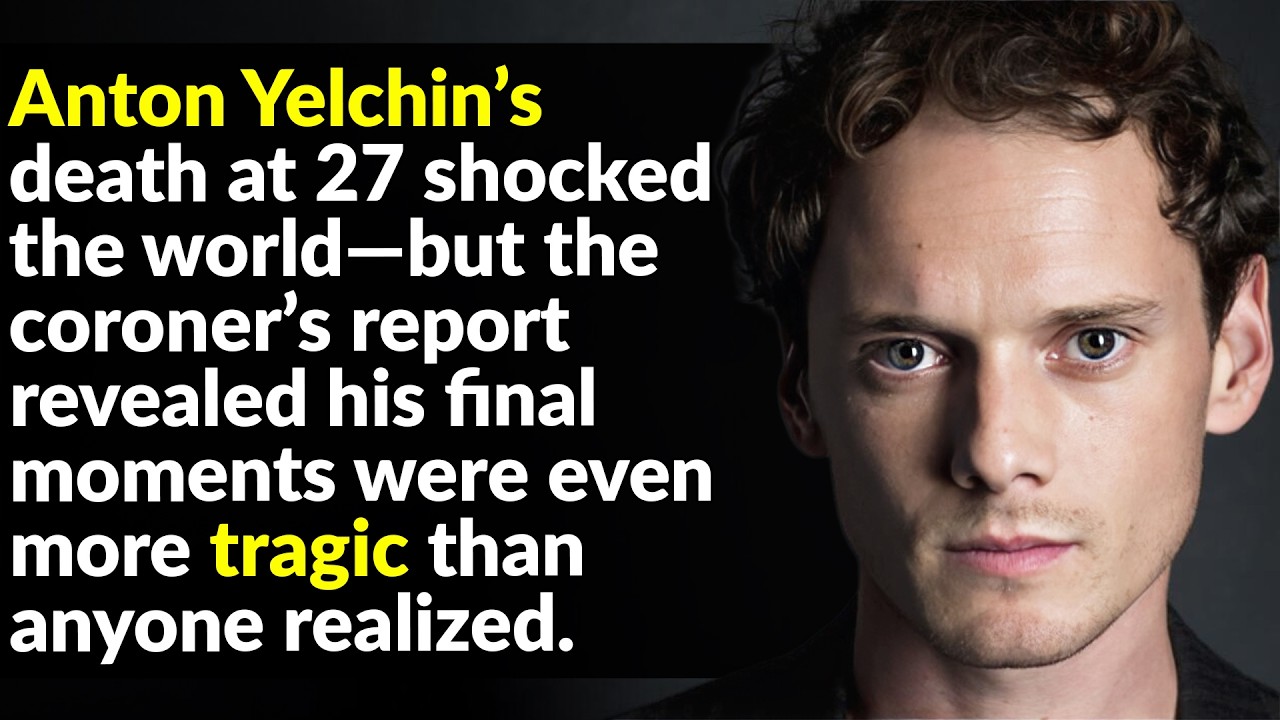
The world of cinema was plunged into darkness on June 18, 2016, when the vibrant life of Anton Yelchin was extinguished in a freak accident at his own Los Angeles home, leaving behind a legacy of relentless ambition and a body of work that now serves as a haunting testament to a career cut short at just 27 years old. The coroner’s report would later reveal that his final moments were even more tragic than anyone could have imagined, a cruel twist of fate that has left fans and colleagues grappling with the senselessness of his death. Yelchin’s journey to Hollywood stardom was nothing short of extraordinary, a tale of escape from oppression and a drive to succeed that bordered on the manic. Born in Leningrad, Russia, on March 11, 1989, his parents were high-profile figure skaters whose own Olympic dreams were crushed by the Soviet government, a persecution Yelchin believed was rooted in their Jewish heritage. At just six months old, his family packed their belongings and fled to the United States, where they were granted refugee status, setting the stage for a destiny that no one could have predicted. A chance encounter with a stranger when Yelchin was still an infant set the course for his life. A woman looked at the baby, declared him beautiful, and announced that he would become an actor. This prophecy proved uncannily accurate, as Yelchin began his acting career at the tender age of 12, landing the title role in “Delivering Milo” alongside seasoned stars like Albert Finney and Bridget Fonda. Though critics were unkind, calling his performance disappointingly glum, Yelchin refused to be deterred. His next opportunity came in 2001 with “Hearts in Atlantis,” a Stephen King adaptation co-starring the legendary Anthony Hopkins. The film received mixed reviews, but Yelchin’s performance stood out, earning him three Young Artist Award nominations and a win for Best Performance in a Feature Film, beating out future megastar Jake Gyllenhaal. It was on this set that Yelchin experienced his first kiss with co-star Mika Boorem, a fleeting moment of teenage romance amid the grind of building a career. Yelchin spent his formative years honing his craft in independent films, working with established stars like Donald Sutherland, Téa Leoni, and Robin Williams in projects like “Fierce People” and “House of D.” These roles may not have made him a household name, but they provided invaluable training. It was during “Fierce People” that he embarked on a teenage romance with a then-unknown Kristen Stewart, a relationship that would leave lasting scars. Stewart later revealed that Yelchin intimidated her and ultimately broke her heart when he ended the relationship. Years later, after being dumped by a girlfriend himself, Yelchin reached out to Stewart to apologize for his callousness, a gesture that showed a depth of character and a willingness to confront his own flaws. But Yelchin could not afford to dwell on romance; his career demanded his full attention. In 2006, Yelchin appeared in the ensemble film “Alpha Dog,” starring alongside Justin Timberlake, Bruce Willis, and Sharon Stone. Variety took notice of his ability to bring out all the conflicting emotions of his character, a skill that would become his trademark. Yet, despite these accolades, Yelchin struggled to find a lead role that would catapult him to stardom. “Charlie Bartlett” in 2007, despite a strong supporting cast including Robert Downey Jr. , failed to resonate with audiences. The misses continued to pile up. “Middle of Nowhere” in 2008, co-starring Susan Sarandon, did poorly with critics and at the box office. Yelchin must have felt the weight of these failures, but his perseverance was about to pay off in a monumental way. Paramount Pictures decided to reboot the “Star Trek” franchise, and director J. J. Abrams cast the 20-year-old Yelchin as Pavel Chekov, a fan-favorite character with a Russian accent. Yelchin had an uncanny amount in common with his predecessor, Walter Koenig, who played Chekov in the original series. Both had parents from Russia and a Jewish background. Yelchin adopted Koenig’s distinctive pronunciation, turning V’s into W’s, a choice that delighted him because it reminded him of his father’s name, Wiktor. His performance was a hit, and it opened the door to another major Hollywood reboot. Yelchin was cast as Kyle Reese in “Terminator Salvation,” a role originally played by Michael Biehn. Though critics were not kind to the film, they credited Yelchin with some of its best lines. In 2008, Moviefone named him one of the 25 hottest actors under 25, landing at number 24, just behind his ex-girlfriend Kristen Stewart at number 14. The competition was fierce, but Yelchin was just getting started. His next project took him back to his roots, a film called “You and I” shot in Russia and directed by Roland Joffé. Yelchin likely enjoyed using a Russian accent borrowed from his parents, but the film went direct-to-DVD. Undeterred, he signed on for “Memoirs of a Teenage Amnesiac,” only to have the producers suddenly relocate the production to Japan. The chaos of the industry was becoming a familiar pattern. In 2011, Yelchin took a massive risk by joining the film “Like Crazy,” directed by Drake Doremus. The catch was that there was no script, only a 50-page outline. Doremus expected the actors to improvise, a gamble that could have been a disaster. Instead, the film premiered at the Sundance Film Festival and won the Grand Jury Prize, sparking a bidding war among distributors. Critics raved about Yelchin’s improvisational skills. Yelchin then worked with Jodie Foster on “The Beaver,” a film about a depressed father who speaks only through a beaver puppet. The odd subject matter was not what kept audiences away; it was the presence of Mel Gibson, whose recent scandals had tarnished his reputation. The film bombed, and few saw Yelchin’s work. Worse was to come with “Movie 43,” an anthology comedy where Yelchin played a mortician who gets too intimate with corpses. His scene was deemed too over the top and was cut after test screenings. A near-miss almost cost Yelchin a role in “5 to 7,” a romantic drama directed by Victor Levin. Levin wrote a letter begging Yelchin to join the film, but Yelchin never received it. Eventually, he learned of the offer and signed on, playing a younger man who has an affair with an older married woman. Critics called his performance modest and endearing, with one strangely comparing his role to Kristen Stewart’s in “Twilight.” Yelchin then ventured into zombie comedy with “Burying the Ex,” directed by Gremlins’ Joe Dante. The film did only so-so at the box office, but several scenes were shot at Hollywood Forever Cemetery, a location that would become his final resting place just two years later. Unaware of his impending fate, Yelchin maintained his manic work pace. His next project, “Dying of the Light,” was plagued by turmoil. The original director and lead actors Harrison Ford and Channing Tatum walked away, leaving Nicolas Cage and Yelchin to step in. The studio took the film away from director Paul Schrader, forcing Yelchin to sign a non-disparagement clause. In a bold act of defiance, Yelchin, Cage, and Schrader wore t-shirts with the clause printed on them to promote the film. Yelchin reunited with Imogen Poots, his rumored flame from the “Fright Night” remake, for the 2016 horror film “Green Room.” He bravely faced his ex and took on the challenge of playing guitar in the punk band scenes, a testament to his willingness to push boundaries. But the relentless pace of his work was about to come to a devastating halt. On June 18, 2016, Yelchin was due at a late-night rehearsal. When he failed to show up, concerned friends went to his home and made a horrifying discovery. They found his lifeless body pinned against a brick gate by his Jeep Grand Cherokee. The vehicle had rolled down his sloped driveway while Yelchin was checking his mail, trapping him against the structure. He was likely alive for just a couple of minutes before traumatic asphyxia claimed his life. The investigation revealed a heartbreaking truth. The Jeep Grand Cherokee had a known defect in its gear system, making it difficult for drivers to ensure the vehicle was in park. Fiat Chrysler was in the process of sending recall notices to owners, but Yelchin’s letter arrived too late. His parents filed a lawsuit against the automaker, settling out of court nearly two years later. The tragedy was compounded by the knowledge that it could have been easily prevented. Yelchin’s parents were consumed by grief. They initially considered selling his home but found they could not face the task. Instead, they moved in, feeling their son’s presence in the space he had loved. To preserve his legacy, they heeded the advice of his “Court of Conscience” co-star Jon Voight and produced a documentary titled “Love, Antosha.” The film features conversations with J. J. Abrams, Jennifer Lawrence, Chris Pine, Jodie Foster, and Kristen Stewart, and has earned a stunning 97% approval rating on Rotten Tomatoes. The documentary helped Yelchin’s loved ones heal, but it also revealed a secret that explained his relentless drive. Since he was a baby, Yelchin’s parents knew he had cystic fibrosis, a disease with a life expectancy of just 40 years at the time of his diagnosis. They kept the news from him until he was 17, fearing it would panic their sensitive son. Yelchin knew he was on borrowed time, and he worked at a breakneck speed, leaving behind five feature films ready for release after his death. His final performance as Chekov was in 2016’s “Star Trek Beyond.” In a scene that now feels heartbreakingly prophetic, Chris Pine’s Captain Kirk raises a glass and says “to absent friends,” with the next shot landing squarely on Yelchin. Director J. J. Abrams has vowed never to recast the role, stating that Yelchin deserves better than a replacement. The tragedy of Anton Yelchin’s life is not just in its abrupt end, but in the knowledge that he was racing against a clock he knew was ticking, leaving behind a legacy of brilliance and a void that can never be filled.

27 August 2026

Paris Jackson Confirms Rumors After DNA Results Reveal A Shocking Truth

A 27-year-old woman with her father’s smile walked into a Los Angeles courthouse Wednesday morning, and the weight of a two-decade mystery followed her through the metal detectors. Paris Jackson, the only daughter of Michael Jackson, did not come to answer questions about her paternity. She came seeking transparency and accountability from the executors of her father’s estate. But the DNA results that have now been confirmed in sealed court documents have sent shockwaves through the entertainment world, revealing a truth that rewrites everything the public thought it knew about the King of Pop’s family. The documents, obtained exclusively by this news organization, confirm what many have long suspected but no one could prove: Michael Jackson is not Paris Jackson’s biological father. The man who raised her, who covered her face in public to shield her from the press, who taught her to cook soul food and told her she was black and to be proud of her roots, was not the man whose DNA flows through her veins. The revelation, however, has not produced the reaction the tabloids anticipated. Paris Jackson did not collapse. She did not waver. She walked into that courtroom with her head high and her legal team beside her, and she made it clear that the question of biology is not the question she came to answer. The marriage that started all the questions was never a love story. In November 1996, Michael Jackson married Debbie Rowe quietly in Sydney, Australia. She was not a celebrity. She was not a musician. She was a dermatology nurse who worked at a clinic in Beverly Hills, a woman who had known Michael through his long-time dermatologist, Dr. Arnold Klein. The nature of that marriage raised eyebrows from the very beginning. The two had never been publicly romantic. There was no courtship narrative, no red-carpet appearances as a couple, no real build-up that the press could point to. And then, suddenly, a wedding. The explanation that emerged, partly through Debbie herself, was that Michael desperately wanted to be a father. He had spoken about it privately for years. He wanted children of his own, a real family away from the stage lights, something grounded and private. Debbie, who genuinely cared about him as a friend, offered to help make that happen. Their son, Prince, was born in 1997. Paris followed in 1998, born at a private clinic in Beverly Hills, and named, according to family accounts, after the city where she was conceived. Michael was listed as the father on the birth certificate. California law recognized him as the legal parent. By the year 2000, the marriage was over. Debbie signed over full custody to Michael, accepted a financial settlement reported to be in the region of $8 million, and stepped back from public life almost entirely. On the surface, it was an unconventional arrangement, but a closed one. Michael had his children. Debbie had moved on. And the story, as far as the world knew, was settled. What nobody anticipated was that within a decade, almost every person connected to those births would end up saying something that directly contradicted what the others had said. And the domino effect that followed would take nearly 20 years to fully play out. When Debbie Rowe started talking, Michael Jackson had been dead for only weeks. He died on the 25th of June, 2009. He was 50 years old. Paris was 11. The grief was immediate and global, but in certain corners of the media, something else was also happening. Questions that had simmered quietly for years were suddenly being asked out loud because the man who had always deflected them was no longer there to deflect. Within weeks of his death, Debbie Rowe gave an interview to a British tabloid. What she said in it was jaw-dropping in its bluntness. She described their marriage as a business arrangement. She said the two of them had never shared a bed. She described herself not as a wife or even a mother in any conventional sense, but as someone who had been paid to carry children through artificial insemination. And who had used an unspecified donor, not necessarily Michael. She said she expected never to see her children again. She said she had been paid for it and moved on. The press ran with it immediately. Here was the birth mother of Michael Jackson’s two eldest children speaking on record, casting serious doubt over whether Michael was their biological father at all. She didn’t name a donor. She didn’t name a clinic. She offered no documentation. But the implication sat there, heavy and unresolved, right as the world was trying to process his death. What made it more complicated was that Debbie’s statements over the years were not consistent. In other interviews and through her legal team, she pushed back against reports that she was not the children’s biological mother, confirming that she was. She later rebuilt a relationship with Paris in the years that followed. The two became close again around 2015, a development that added another layer to an already tangled story. Debbie Rowe in 2009 was not saying the same things as Debbie Rowe in 2015. And the media landscape had no interest in reconciling those contradictions. It only wanted to amplify them. The two men who claimed to be the father stepped forward in the chaos that followed Michael’s death. The first was Mark Lester, a British actor famous for playing the lead role in the 1968 film Oliver. He had been a close friend of Michael’s for decades, close enough that Michael made him godfather to Paris. In the weeks after Michael’s death, Lester went to the press with a claim that stunned people who heard it. He said he had donated sperm to Michael Jackson at a London clinic in the 1990s before Prince was born. He said he believed there was a real possibility that Paris and Prince were biologically his. He pointed to photographs of Paris alongside photographs of his own daughter Harriet and said the resemblance was striking. He offered to take a paternity test. His stated reason for coming forward was that he wanted to maintain contact with the children. He was worried about how they were being raised, specifically that Katherine Jackson, a Jehovah’s Witness, might raise them in a faith Michael had not wanted for them. But whatever his motivations, the claim was out there in the press, tied to a real name with a documented friendship with Michael Jackson and a specific account of events. The second name was already hovering over the story before anyone said it out loud. Dr. Arnold Klein was Michael Jackson’s dermatologist for decades. He was also the man who ran the Beverly Hills clinic where Debbie Rowe worked. The proximity was obvious. When ABC News interviewed Klein in 2009 and asked him directly whether he was the biological father of Paris and Prince, his answer was studied and careful. He said that to the best of his knowledge, he was not the father. He said he didn’t want to feed the speculation. He said he had once donated to a sperm bank. He gave no flat denial. The phrasing was so precise that it practically invited the follow-up questions it was supposedly trying to discourage. Then in 2015, Klein posted something on social media that reignited everything. He put up a side-by-side photograph of himself and Prince Jackson with a single caption, just the letter H. The post went viral within hours. Hundreds of articles appeared comparing facial features. Then the post disappeared. But screenshots had already spread everywhere, and the conversation refused to die. Klein passed away later that same year, taking whatever he actually knew with him. Mark Lester, for his part, eventually walked his claims back, not entirely, but enough to muddy the waters further. He told interviewers in later years that it was probably more likely one of Michael’s doctors had been the donor rather than him. By that point, the question of who had said what was almost impossible to untangle. All that existed was a fog of competing claims, half denials, and pointed silences. Paris grew up inside the rumor. She was 11 when her father died. She was a teenager when Lester and Klein’s names were being circulated alongside hers in tabloids across three continents

27 August 2026

The Tragedy Of Edie Beale: Grey Gardens’ Darkest Secret

The final words of Edith “Big Edie” Bouvier Beale, the reclusive socialite and aunt of former First Lady Jacqueline Kennedy Onassis, were a chilling confirmation of a life lived entirely for the spotlight. As she lay on her deathbed at Southampton Hospital on February 5, 1977, her devoted daughter, “Little Edie,” leaned in and asked if she had any last words. Big Edie’s response was not a whisper of love or regret, but a final, haunting verdict on her own existence. “There’s nothing more to say,” she reportedly told her daughter. “It’s all in the film.” That film, the 1975 documentary “Grey Gardens,” captured a descent into squalor that has terrified and fascinated the public for decades. It is a riches-to-rags horror story that began in the gilded halls of New York high society and ended in a decaying, cat-infested mansion in East Hampton. Big Edie was born into the prestigious Bouvier family, a lineage she famously claimed descended from 14th century French kings. Her father, Major John Vernou Bouvier Jr. , was a powerful attorney and judge, and the family was firmly entrenched in the upper echelons of American aristocracy. As a Bouvier, she was surrounded by wealth, status, and power, and her connections grew even more extravagant when her brother, John Vernou Bouvier III, became the father of the future First Lady. But Big Edie was far from presidential material. Unlike her well-mannered siblings, she had a wild streak from the very beginning. She was stubborn, difficult to control, and her antics were so notorious that Bouvier historian John Davis once attributed them to her “French genes,” hinting at a natural inclination toward defiance. From the sound of it, she was more used to giving orders than taking them. By age ten, she had gained a reputation as a gifted singer and pianist, and while her family expected her to marry well and conform to high society norms, her true passion was music. She embraced the glitz and glamour of Manhattan’s elite circle, becoming a sought-after guest at society events. However, while she basked in the limelight, someone glowered from the sidelines. Her father had high expectations for his daughter, and they did not include late-night parties and voice lessons. He saw her passion for music and mischief as distractions from her real purpose: securing a respectable marriage. In Big Edie’s defense, good men were hard to find. It seemed she might fulfill her father’s hopes when she became engaged to Horace Rigland Allen, a promising society man. Their impending marriage had all of New York abuzz, but the fairy tale ending never came. In 1916, she and Horace called off their engagement, and he fled to the battlefields of World War I. Her next engagement would not be quite so scandalous, at least not at first. In 1917, she married Phelan Beale, a successful attorney 14 years her senior who would go on to become her father’s law partner. The wedding at St. Patrick’s Cathedral in New York City was a major affair, featuring an exclusive guest list and becoming one of the social highlights of the season. Everyone seemed thrilled, except the bride. For most brides, the dress is the highlight, but for Big Edie, her main concern was the music. She insisted on an extravagant choir and a soprano soloist, ensuring her passion for music took center stage on her big day. She got exactly what she wanted and then regretted it. Looking back, she later confessed that as she stood at the altar, she wished she had been the one performing the solo. Her love for music and performing left little room in her life for anything or anyone else. After their marriage, they had three children, two sons and a daughter named Edith, or “Little Edie,” to distinguish her from her mother. While her sons went on to lead conventional lives, Little Edie would become her mother’s closest companion and eventually her partner in a life of eccentricities. Big Edie refused to become a conventional society wife, gaining a reputation for being extravagant and passionately devoted to her own interests. In 1923, the couple bought Grey Gardens, a grand estate in the wealthy enclave of East Hampton. Nestled near the ocean, the property was picturesque, but it became the stage for her most dramatic performances. Unlike the stiff parlors of her socialite peers, Grey Gardens was a haven for artists and musicians. She surrounded herself with creatives and spent her days singing, playing the piano, and indulging in endless conversations about music and art. It was a world of her own making, one that did not include her husband. Big Edie did not just play music, she lived for it. She structured her days around practicing her operatic mezzo-soprano voice and entertaining guests. While other society wives played the role of modest hostess, she always took center stage. She hired an accompanist and performed at private parties and intimate venues, convinced she was destined for the professional stage. When she was not captivating audiences, she was turning heads with her fashion. While other East Hampton elites draped themselves in pearls and prim suits, she wore whatever she pleased, including kaftans, turbans, and layers of mismatched fabrics. She took pride in standing out, and she reportedly refused to have her name listed in the vaunted Social Register, causing a scandal among her Hampton’s neighbors. Her free-spirited ways were more than her poor husband could bear. Phelan Beale thought he had married a respectable Bouvier, only to watch her fall further into eccentricity. Her flamboyant bohemian lifestyle caused him great embarrassment. By 1931, her theatrical lifestyle had become too much, and he separated from her in a shockingly public rebuke, retreating to his hunting lodge. Big Edie remained at Grey Gardens alone, where her eccentric behavior only worsened. He provided child support but little else, refusing to pay alimony, leaving her for the first time in her life in a precarious financial situation. She refused to change her ways, unaware that her lavish lifestyle was about to come crashing down. By 1946, he had given up entirely, securing a divorce in Mexico. Despite the paperwork, doubts lingered about whether the divorce was legally binding. Since the Catholic Church did not recognize the split, Little Edie dismissed it as a “fake Mexican divorce.” In July 1952, Big Edie’s world shifted again when Little Edie returned home after years in Manhattan. What was meant to be a temporary visit quickly became permanent. The two eccentric women would soon find themselves bound together in a life of increasing isolation and wild hope. With her husband gone and financial support dwindling, Big Edie struggled to maintain Grey Gardens. The once grand estate became a burden, one she refused to relinquish, even as it crumbled around her. She was forced to turn to her reluctant father for assistance, who agreed to give her an annual allowance of $3,500. But even he could not tolerate her odd behavior for long. At her son’s 1942 wedding, she arrived nearly half an hour late, dressed as if she were making a grand entrance. The stunt left guests whispering and her father fuming. Just two days after the ceremony, he rewrote his will, slashing her inheritance from a generous $825,000 to a mere $65,000. He went further, placing her on a strict monthly allowance of $300 to ensure she could not squander it on music or parties. With money running out, she resorted to desperate measures, pawning off family treasures, including Tiffany silver, antique jewelry, and Bouvier heirlooms, sometimes straight from under her mattress. By the 1970s, she had given up any pretense of normalcy. Grey Gardens had become an infamous wreck. In October 1971, local authorities raided the estate. They found a crumbling house filled with litter, reeking of cats, and in violation of numerous local ordinances. The Suffolk County Board of Health declared it uninhabitable and prepared to evict the women. It seemed only a matter of time before they would be on the street, until an unexpected savior stepped in. Jackie Kennedy Onassis, the former First Lady and Big Edie’s niece, intervened alongside her sister, Lee Radziwill, to avoid further scandal. They reportedly paid thousands to clean up Grey Gardens, and the family shelled out $30,000 to restore the home, clear back taxes, and stop the town from auctioning it off. As word of their strange and secluded life spread, filmmakers Albert and David Maysles became intrigued. They first met the Edies in 1971 when Lee Radziwill hired them to produce a film about the Bouvier family. That initial footage never saw the light of day, but their encounter planted a seed for a very different kind of film. In 1973, the brothers secured permission to create a cinema verite documentary about the mother and daughter duo. What followed was a raw, unfiltered glimpse into their eccentric world. When the Maysles rolled their cameras, Big Edie did not hold back. She reminisced about her perfect marriage, beautiful children, and her once promising musical career, treating the filmmakers to a full-throated rendition of “Tea for Two.” Little Edie had plenty of grievances to air, openly blaming her mother for keeping her trapped at Grey Gardens, robbing her of the life she had dreamed of in Manhattan. She exposed some of Big Edie’s most outrageous secrets, including the fact that her mother did not believe in kitty litter, preferring boxes and paper for the countless cats that roamed the property. The cameras captured the women dining on ice cream with knives and balancing peas on the edge of a knife before eating them. Despite receiving some proceeds from the film, Big Edie’s financial troubles only deepened. In secret, she applied for food stamps, carefully concealing just how dire her situation had become. When “Grey Gardens” debuted in theaters, critics could not agree on whether it was an intimate portrait or an act of exploitation. Big Edie had no such doubts. “They are very nice people,” she said of the filmmakers. To her, the documentary was not an invasion, it was her long overdue moment in the spotlight, and she absolutely adored being in it. “It’s the greatest thing that ever happened to me in my old age,” she declared. But her final high came just before a hard fall in 1976. A terrible accident left her dependent on a wheelchair, and she grew weaker with each passing month. Through it all, Little Edie remained by her side, caring for her mother amid the decay of Grey Gardens. On February 5, 1977, Big Edie sang her final song. She passed away from pneumonia at Southampton Hospital. Her last words, a simple and poignant reply to her daughter’s question, have become the epitaph for a life that was both tragic and triumphant. “There’s nothing more to say,” she said. “It’s all in the film.” And indeed, it is. The film captured the horror of a woman who had everything and lost it all, but who, in the end, found a strange and enduring peace in the wreckage of her own making. The legacy of Grey Gardens endures as a haunting reminder of the fine line between eccentricity and tragedy, and of a mother and daughter who chose isolation over conformity, forever bound together in a decaying paradise.

27 August 2026

Nicole Kidman Has a New Man in Her Life? Here’s What We Know

The sun-drenched cliffs of Portofino, Italy, have become the unlikely backdrop for Hollywood’s newest mystery, as newly single Oscar winner Nicole Kidman was photographed in animated conversation with a silver-haired businessman, igniting a firestorm of speculation about her romantic future. The woman who once defined the gold standard of celebrity marriage is now at the center of a whirlwind narrative that has shifted from heartbreak to high-stakes courtship in a matter of months. The man in question, identified as media executive and private equity investor Michael Reinstein, was seen sharing warm laughs and comfortable body language with Kidman during what was supposed to be a quiet family vacation. Eyewitnesses described a flirty, easygoing energy between the two as they relaxed on resort daybeds, a stark contrast to the relentless media scrutiny that has followed the actress since her divorce from country music star Keith Urban was finalized just six months ago. This sighting comes on the heels of earlier rumors linking Kidman to another powerful figure outside the entertainment industry, Paul Salem, the chairman of MGM Resorts International, suggesting a deliberate pivot away from the high-wattage romances that once defined her life. The emergence of Reinstein marks a dramatic turn in a story that began with what many believed was an unbreakable union. For nearly two decades, Nicole Kidman and Keith Urban were celebrated as the ultimate power couple, their red carpet appearances marked by affectionate hand-holding and public serenades that seemed to defy the odds of Hollywood relationships. Yet behind the scenes, their marriage was quietly unraveling, with sources revealing that the couple had been living increasingly separate lives for months before the split became public. The first cracks appeared in June 2025, when the pair decided to separate after feeling distant from each other, a decision that was kept tightly under wraps. By August, Kidman shared a series of personal summer photos from a European vacation, showing her laughing alongside her sister Antonia and spending quality time with her daughters, Sunday Rose and Faith Margaret, but Keith was conspicuously absent from every frame. The official announcement came in late September 2025, when Kidman filed for divorce, stunning fans who had viewed their 19-year marriage as a fairy tale. The legal proceedings moved swiftly, with the couple reportedly communicating only through lawyers as they navigated the dissolution of their assets and custody arrangements. On January 6, 2026, a judge finalized the divorce on the grounds of irreconcilable differences, and the court filings painted a stark picture of their new reality. The custody agreement revealed that Kidman would retain primary residential custody of their two teenage daughters, with Sunday Rose, now 17, and Faith Margaret, 15, residing with their mother for 306 days out of the year. Keith Urban was granted scheduled visitation every other weekend, a arrangement that underscored the depth of the separation. The abrupt end of their union marked the close of an iconic chapter, leaving the public wondering what actually drove them apart. Yet even as fans were still coming to terms with the demise of this beloved fairy tale, whispers in elite Hollywood circles hinted that Kidman was not grieving alone for long. By February 2026, rumors began circulating about a powerful figure outside the film industry, Paul Salem, a 62-year-old private equity titan who serves as chairman of the board for MGM Resorts International. Salem reportedly made his interest known within his inner circle after meeting Kidman at casual group gatherings hosted by mutual friends, setting off a chain reaction of speculation that would only intensify in the months to come. The matchmaking engine of Hollywood quickly kicked into gear, with Kidman’s long-time confidants, including her Big Little Lies co-star Reese Witherspoon, reportedly encouraging her to keep an open mind about dating outside the chaotic bubble of showbiz. Industry insiders suggested that Witherspoon and other close pals, such as Naomi Watts and Sandra Bullock, wrapped a protective blanket around Kidman throughout her public split, urging her to embrace her personal freedom and explore new social circles entirely at her own pace. Subsequent reports from outlets like TMZ and Page Six picked up on the story, detailing how Salem was quietly letting friends know about his attraction to Kidman. However, neither party has officially confirmed or denied the rumors, with sources indicating that Kidman was keeping her distance, prioritizing her peace of mind and stepping into this new chapter with extreme caution while protecting her personal boundaries. Despite those official denials, news of a high-powered business leader pursuing Kidman reportedly raised eyebrows elsewhere in the entertainment world, with sources close to Keith Urban claiming the country singer was caught off guard by how fast rumors of new suitors began surfacing around his ex-wife. Some reports indicated Urban felt a sudden wave of regret over how their marriage ended, especially seeing his former partner pursued by an influential billionaire who moves in such high-flying corporate circles. For now, Kidman’s representatives maintain that she remains strictly single, focusing her full energy on her teenage daughters and her upcoming film projects, including the highly anticipated Practical Magic 2, scheduled for theatrical release in September 2026. She is intentionally taking things slow, enjoying her independence, and keeping her private life well away from public scrutiny. But the fresh photos from Portofino have sent the global gossip world into complete overdrive, introducing a new name into the narrative and complicating the already tangled web of speculation. Michael Reinstein, who founded the Los Angeles investment firm Regent LP, appeared completely at ease chatting with the Oscar-winning star, with pictures obtained by major entertainment outlets showing Kidman looking effortlessly elegant in champagne silk clothing while sharing warm laughs with Reinstein under the Italian sun. For a woman who deeply values old-fashioned romance, gentle gestures, and personal privacy, this easy-going atmosphere fits her personality perfectly, providing a peaceful, refreshing contrast to the relentless media noise surrounding her recent high-stakes divorce settlement. Looking closely at both Paul Salem and Michael Reinstein, a pattern starts to take shape, revealing that Kidman seems to be walking away from the kind of high-wattage romance that once defined her life, the A-list actors, the world-famous musicians, and the constant spotlight that came with them. This time, she is drawn to something quieter, business leaders, private equity types, men with money and influence but no interest in chasing headlines. They offer something different, stability, privacy, a life away from the entertainment machine. And whether this turns into something lasting or just another chapter, one thing is clear, Nicole Kidman is the one calling the shots on her own love life. To understand why high-stakes romance, sudden exits, and billionaire suitors follow her, one must look back at the original love story that defined her early career, a chapter that left an indelible mark on her psyche and set the stage for everything that followed. In 1989, the 23-year-old Australian actress met the 28-year-old global superstar Tom Cruise on the set of the movie Days of Thunder, and their connection was immediate, leading to a winter wedding in late 1990. Over the next decade, the young couple quickly became the undisputed golden duo of Tinseltown, expanding their family by adopting two children, Isabella and Connor, while dealing with intense public attention, especially concerning their involvement with the Church of Scientology. Behind closed doors, the immense pressure of maintaining a high-profile marriage began to test the couple, with Stanley Kubrick’s 1999 psychological thriller Eyes Wide Shut, which required them to spend months filming raw marital arguments, placing noticeable strain on their actual relationship. Things took an even stranger turn behind the scenes when federal investigations later confirmed that celebrity private investigator Anthony Pellicano had illegally wiretapped phone conversations between Cruise and Kidman during their issues. In February 2001, right around their 10th wedding anniversary, Cruise unexpectedly filed for divorce, citing irreconcilable differences and leaving Kidman completely blindsided by the sudden end of her marriage. In the immediate aftermath of the split, media attention around Kidman reached a fever pitch, with a famous photo of her walking down a street with her arms stretched wide becoming an instant pop culture symbol of personal liberation, even though she later set the record straight by revealing the picture was actually taken on a movie set. Rather than retreating, Kidman channeled her emotion directly into her craft, delivering brilliant performances that reshaped her career, culminating in her 2003 Best Actress Oscar win for playing author Virginia Woolf in The Hours. But despite achieving the highest peak in acting, the triumph felt surprisingly lonely, with Kidman later saying the divorce was a major shock to her, but he was lovely to me and I loved him, I still love him. Navigating that painful chapter helped her realize that professional success could never replace real human connection, and she learned to embrace her independence, regain her voice, and walk away from an era that had defined her youth. After emerging from such a publicized heartbreak, she proved she could survive the glare of international tabloids while holding on to her dignity, finally ready to step out of Cruise’s long shadow, reclaim her own narrative, and redefine what true romance meant to her. Escaping the shadow of the world’s biggest movie star left Kidman vulnerable, leading to a series of secret, passionate rebound romances that almost nobody saw coming. In the early 2000s, she set out to completely redefine her life and career, making a conscious effort to move past her old image as part of a Hollywood power couple and establishing herself as one of the most respected dramatic actresses of her time. While her acting was earning widespread critical acclaim, her private life in New York was gradually entering an intriguing new phase, with a relationship that stayed almost completely hidden from the public eye. In 2002, as her Manhattan apartment was undergoing extensive renovations, she rented a townhouse owned by legendary musician Lenny Kravitz, and what began as a temporary living arrangement quickly evolved into a passionate relationship. The couple moved through New York with remarkable discretion, carefully dodging paparazzi and keeping their romance out of the tabloids, with their connection growing so strong that Kravitz proposed, and the two were secretly engaged in 2003. During this period, Kidman lived in Kravitz’s home, where she spent significant time with his 13-year-old daughter Zoe, embracing a warm maternal role that laid the groundwork for a lifelong bond, leading the two women to co-star years later on the award-winning drama series Big Little Lies. Despite their genuine connection, the engagement was eventually called off, with Kidman later revealing that she just was not ready, choosing instead to focus her energy on raising her two adopted children, Isabella and Connor. During this era of independence, the media frequently speculated about her dating life, linking her to figures like actor Adrien Brody, Australian performer Marcus Graham, and music artist Q-Tip. Going through those short relationships helped Kidman figure out what she really wanted, understanding that she did not need to date another huge celebrity anymore, instead wanting simple emotional connection and real trust. This newfound clarity set the stage for a life-changing encounter in January 2005, when she attended the prestigious G’Day USA Gala in Los Angeles, a star-studded event celebrating Australian creative talent, and met fellow countryman and singer Keith Urban. Though Urban famously took four long months to gather up the courage to call her after taking her phone number, their initial conversation sparked a slow-burning connection that would lead to marriage and define the next 19 years of her life. When Urban finally called in early 2005, neither of them expected to build one of the longest-lasting unions in modern celebrity history, and on June 25, 2006, they exchanged vows at a romantic cliffside ceremony in Manly, Australia, surrounded by close friends and family. It looked like the ultimate fairytale wedding, but the couple faced an intense test of strength just four months later, when Kidman organized a life-saving intervention for Urban, who was struggling with severe alcohol addiction. Instead of walking away, she stood firmly by his side as he checked into the Betty Ford Center for three months of treatment, a moment Urban later credited with saving his life. Once Urban completed his recovery, the couple made a deliberate choice to step away from the overwhelming noise of Los Angeles, relocating to Nashville, Tennessee, seeking a grounded environment where they could put down real roots. Over the next few years, they expanded their family with the birth of their first daughter, Sunday Rose, in 2008, followed by their second daughter, Faith Margaret, in 2010. In Nashville, they created a peaceful home life far removed from constant paparazzi, providing their girls with a normal upbringing while continuing to support each other’s busy careers. For nearly two decades, Kidman and Urban were fan favorites on every red carpet they walked, their public affection seeming genuinely effortless, from simple hand-holding to Urban serenading Kidman on stage during his sold-out concert tours. They frequently spoke about their deep commitment to family, painting a picture of a solid partnership that had overcome incredible odds early on. However, behind that glowing public image, their demanding professional schedules eventually began pulling them in different directions, with Kidman experiencing a massive career resurgence, starring in critically acclaimed television hits like Big Little Lies, Nine Perfect Strangers, and the movie Baby Girl. At the same time, Urban maintained a grueling global touring schedule, spending extended periods on the road performing for fans across the globe, and by early 2025, those long stretches of separation began taking a heavy toll on their relationship. Insiders noticed that the pair were living increasingly separate lives, spending major holidays apart and managing their households independently, with Kidman thinking she had found her happily ever after when she married a country singer in 2006, only to see their 19-year relationship end in a way that shocked the world. As Kidman starts this bold new phase, it is very clear that her story of love, independence, and reinvention is still unfolding, with the entertainment world watching closely to see what she does next. Whenever the industry expects her to take a bow, she has a habit of completely rewriting the story instead, and standing at this pivotal moment in her late 50s, she is turning what could have easily been a painful season of heartbreak into a master class in personal reinvention. Coming off her finalized divorce from Urban, Kidman has made it abundantly clear that she is not interested in looking backward or dwelling on past regrets, with her candid interview with Variety revealing how stepping away from the endless news cycle allowed her to gather her inner strength and figure out her next steps without any outside noise. She candidly shared that protecting her peace of mind and staying deeply grounded for her loved ones mattered far more than maintaining appearances or public applause, with her immediate focus remaining centered squarely on her two teenage daughters. As both girls navigate these crucial teenage years and prepare to step into young adulthood, Kidman has built a safe, supportive environment around them to ensure their daily lives remain stable and peaceful, whether she is taking them on vacations, visiting art exhibits together, or spending relaxing weekends at home in Nashville. At the same time, her creative energy and professional ambition show no signs of slowing down, with her continuing to throw herself into major cinematic projects that celebrate creative freedom and deep artistic connections, most notably wrapping production on Practical Magic 2. As for her romantic future, the biggest question on everyone’s mind is whether Kidman will ever walk down the aisle for a third time, having already navigated two high-stakes, extremely public marriages. Her entire approach to love has clearly evolved, with sources close to the star explaining that she feels zero pressure to sign another marriage certificate or rush into a serious, formal commitment anytime soon. Whether she decides to remain single or eventually chooses to build a lasting partnership, Kidman is showing the world that her fulfillment comes from within, stepping confidently into this bright new chapter on her own terms. Her journey through love, heartbreak, and reinvention proves she always emerges stronger, and the sighting in Portofino with Michael Reinstein is just the latest twist in a saga that continues to captivate audiences worldwide. The woman who once walked with her arms wide open in a moment of liberation is now doing the same with her heart, carefully, deliberately, and entirely on her own terms.
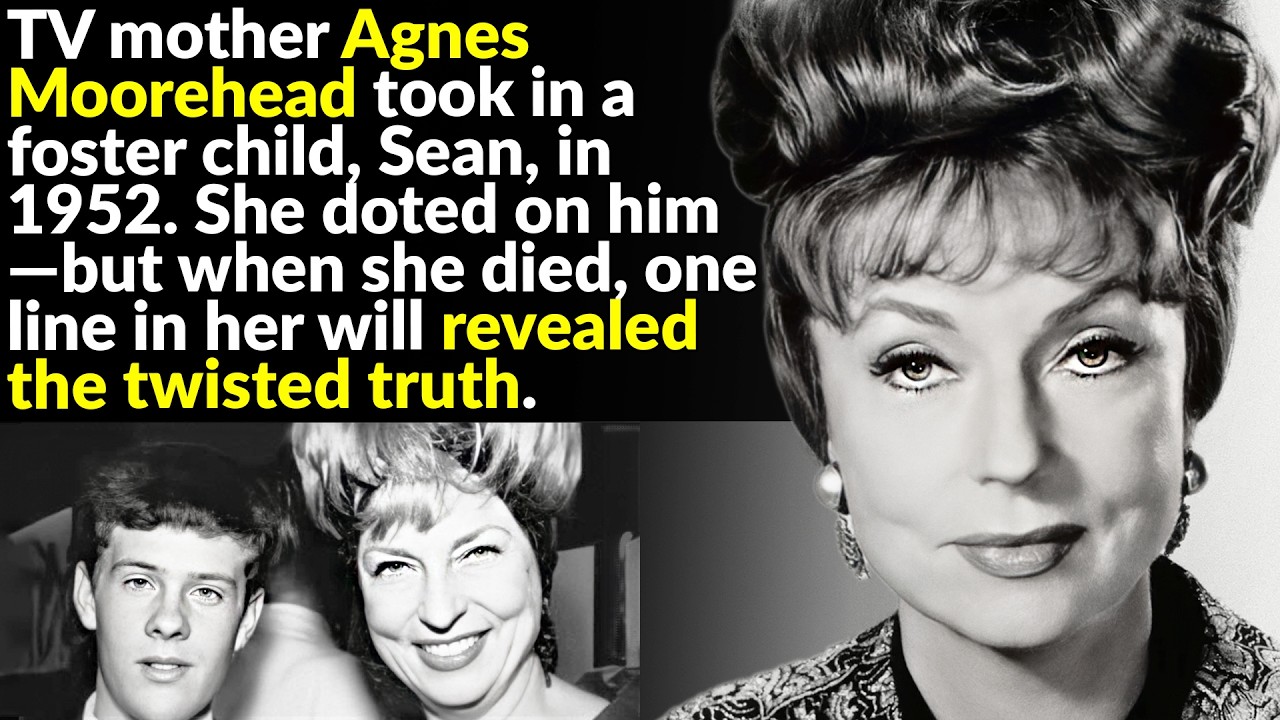
27 August 2026

Aaron Carter’s Story Is More Horrifying Than We Realized

The final gasp of Aaron Carter’s troubled life was not a dramatic confrontation or a public meltdown, but a silent, solitary tragedy inside a bathtub, with a can of compressed air and a bottle of pills nearby. The coroner’s report, released five months after his body was discovered by his housekeeper, confirmed what many who loved him feared most: the 34-year-old former pop sensation died from the very demons he had battled publicly for decades. The official cause was accidental drowning, complicated by the effects of difluoroethane—a propellant found in common household cleaning products that Carter had admitted to huffing—and the anti-anxiety medication Xanax. It was a clinical end to a life that had been anything but clinical, a life marked by staggering highs, devastating lows, and a family saga that reads more like a Greek tragedy than a Hollywood fairy tale. The story of Aaron Carter begins not with a silver spoon, but with a van. Born on December 7, 1987, to Jane and Robert Carter, the family was destitute, living out of a vehicle at their lowest point. Yet, from this crushing poverty emerged not one, but two child stars. Aaron’s older brother, Nick, found fame as a member of the Backstreet Boys, and at just nine years old, Aaron was thrust into the spotlight as his opening act. The response was immediate and overwhelming. His self-titled debut album sold a million copies worldwide, and his follow-up, “Aaron’s Party (Come Get It),” exploded with three million sales in the US alone. He was a global phenomenon, a pint-sized heartthrob with a grin that launched a thousand magazine covers, but the cost of that fame was his childhood. The cameras, the screaming fans, and the relentless schedule replaced playgrounds and school days, setting the stage for a psychological fracture that would never fully heal. As his star rose, so did the vultures. The most notorious was Lou Pearlman, the mastermind behind the Backstreet Boys and NSYNC, who managed Carter’s early career. The Carters would later sue Pearlman for failing to pay hundreds of thousands of dollars in royalties, a case that was settled out of court. Pearlman’s eventual downfall—a 25-year prison sentence for running one of the largest Ponzi schemes in American history—revealed that Carter was one of his earliest victims. But the exploitation didn’t stop with a crooked manager. The most devastating betrayal came from within his own home. After turning 18, Carter discovered that his parents, who were supposed to safeguard his earnings, had squandered his fortune. Instead of the millions he should have had, he found a bank account with just $2 million and a staggering $4 million tax bill. The childhood he had sacrificed to support his family had been traded away, leaving him with a financial albatross that would haunt him for the rest of his life. The personal turmoil of Carter’s teen years was equally chaotic. His romance with Hilary Duff, the “Lizzie McGuire” star, was a tabloid staple, but it ended in heartbreak when Carter admitted to cheating on her with her best friend, Lindsay Lohan. This betrayal ignited a years-long feud between Duff and Lohan, a public spectacle that Carter watched from the sidelines. His own family life was crumbling as well. He learned of his parents’ divorce an hour before filming an episode of “MTV Cribs,” forced to maintain a brave face for the cameras while his world fell apart. By 19, he was engaged to adult model Keri Ann Peniche, a proposal he made on stage in Las Vegas, only to call it off six days later, admitting it was an impulsive mistake. The pattern was set: a desperate search for stability and love, followed by self-sabotage and chaos. The legal troubles began in earnest in February 2008, when police pulled him over for speeding and discovered illicit substances in his possession. It was the first of many encounters with law enforcement. In 2011, he entered rehab, initially citing “emotional and spiritual issues,” but a source soon revealed the truth: he was battling addiction. While he completed treatment, the demons remained. The release of Hilary Duff’s pregnancy news sent him into a public spiral, declaring he would “spend the rest of my life trying to better myself to get back with her.” Duff, now married and a mother, was clearly uncomfortable with the attention, stating they “didn’t even really know each other.” His career, which had peaked in childhood, was in freefall. He tried reality TV, a stint on “Dancing with the Stars,” and a grueling 150-show tour, but nothing could dent the massive tax debt that loomed over him, forcing him to declare bankruptcy in 2013. It was during this period that Carter began to reveal the horrifying extent of his family’s dysfunction. He claimed his parents used his childhood earnings to buy 15 houses and 30 cars, while failing to set aside the required 15% for him. In a shocking interview, he alleged that his father, in a fit of rage over a refused check, fired a . 44 magnum next to his ear, causing 70% deafness in that ear. The image of a father terrorizing his own son with a gun is a stark illustration of the violence that permeated Carter’s upbringing. His mental health deteriorated further. In 2017, he was arrested for impaired driving and substances, pleading guilty and receiving probation. A month later, he made a surprise confession on Twitter, revealing that he was attracted to both men and women, a statement that was met with an outpouring of support but also highlighted his ongoing struggle for identity. The final years of Carter’s life were a blur of bizarre incidents, public breakdowns, and desperate pleas for help. In 2019, he was granted a temporary restraining order against his ex-girlfriend, Lina Valentina, claiming she threatened him with a knife. He also sparked outrage by offering to sell a rescue dog for $3,500, which he insisted was a joke, but which raised serious concerns about his state of mind. That same year, he revealed on television that he had been diagnosed with schizophrenia, bipolar disorder, manic depression, and anxiety, and admitted to a huffing addiction. The family drama reached a fever pitch when he accused his siblings, including Nick, of inappropriate behavior. The accusations led to Nick and his sister Angel obtaining restraining orders against him, after Carter allegedly confessed to hearing voices telling him to harm Nick’s pregnant wife. The Carter family was shattered beyond repair. In the midst of this chaos, Carter found a new partner, Melanie Martin, a bartender and adult entertainer. Their relationship was a volatile rollercoaster. He tattooed her name on his forehead, they announced a pregnancy, suffered a miscarriage, and then welcomed a son, Prince Lyric, in November 2021. But the cycle of abuse and addiction continued. Martin filed for a restraining order in February 2022, accusing him of breaking her ribs in a jealous rage. Both lost custody of their son to Martin’s mother. Carter checked into rehab, and in a glimmer of hope, he reached out to his estranged brother Nick, who planned to get in touch after his tour. That conversation never happened. On November 5, 2022, Aaron Carter was found dead in his bathtub. The world was shocked, but not surprised. His was a tragedy that had been unfolding in public for years, a slow-motion car crash that no one seemed able to stop. The aftermath was as complicated as his life. Just two days after his passing, producers released his final album, “Blacklisted,” a month early, a move his own management called “disrespectful and greedy.” It was a final, cynical exploitation of a man who had been exploited his entire life. Yet, in a surprising turn, his family showed a rare moment of unity. With no will and an estate valued at $550,000, they agreed that everything should go to his son, Prince Lyric. Nick Carter, still on tour, performed the next night and shared a heartfelt tribute, acknowledging their “complicated relationship” but insisting that his love for his brother never faded. He blamed “addiction and mental illness” as the real villains, a sentiment that rings tragically true. Aaron Carter’s story is a cautionary tale about the corrosive nature of fame, the devastating impact of parental betrayal, and the relentless, often fatal, grip of mental illness and addiction. He was a victim of a system that chewed him up and spat him out, and his story serves as a grim reminder of the human cost behind the glittering facade of the entertainment industry.

27 August 2026

Mike Farrell Finally Reveals the TRUTH About Shelley Fabares’ Final Days

The man who spent more than four decades by Shelley Fabares’ side is finally speaking out about what really happened in her final days, and the truth is far gentler than the headlines that followed her death at 82. Mike Farrell, the actor best known for his role as Captain B. J. Hunnicutt on MASH, married Fabares in 1984 and remained her steadfast partner through a liver transplant, years of chronic illness, and ultimately, her quiet passing on August 22, 2026, in Los Angeles. In the days since her death, Farrell has personally confirmed the family statement that described Fabares as a devoted wife, cherished stepmother, daughter, sister, aunt, and friend whose warmth made a lasting difference in the lives of everyone who knew her throughout her long career. That statement, which ran in full across nearly every major outlet covering entertainment, made clear that Fabares died surrounded by loved ones rather than alone or unexpectedly, a detail that mattered enormously to fans who had followed her for decades and worried about how her final chapter might have unfolded. Farrell has consistently framed her decline not as a tragedy defined by suffering, but as the closing chapter of a full life spent surrounded by family, describing the atmosphere around her in her last days as calm rather than frightening for anyone present. Reports describing her final period consistently mentioned that she had been managing a brief illness in the immediate leadup to her death, language that Variety used in its own reporting on the days surrounding her passing that week. What Farrell’s recent comments reveal more than any single medical detail is the emotional truth behind those final months of her life. He has used this moment to highlight her decades of quiet advocacy rather than dwelling purely on loss and grief, noting that her work supporting Alzheimer’s research following her mother’s death, combined with her openness about her own liver transplant, meant that Fabares had already spent years being unusually candid about serious illness long before her own final chapter arrived. The timing of her death carried its own weight for anyone who had followed her career closely over the decades. Just four months earlier in April 2026, Farrell had appeared on a podcast discussing the couple’s decades together with a warmth that now reads very differently in hindsight. Nobody listening at the time could have known that conversation would become one of the last extended public reflections he gave before losing her for good. In that interview, Farrell described how their relationship began with something as small as a shared cup of coffee after bumping into each other at Universal Studios, a story that Rolling Stone’s obituary coverage recounted in full once her death was announced. That interview now reads as one of his final public reflections on their marriage before he found himself writing the statement announcing her death only months later. Grief moved through the entertainment industry quickly with tributes appearing across social media from actors who had shared scenes with her going back to the 1950s, some of whom had not spoken publicly about her in years. Fans who grew up watching her as a teenager on network television, then again as a supporting player in the 1970s and once more as a sitcom wife in the late 1980s, all found their own entry point into mourning her. The scale of the response reflected something important about her career, a six-decade run that touched multiple generations of television and film audiences across very different eras of American entertainment history. Craig T. Nelson, her longtime Coach co-star, was among the many voices remembering her publicly that week, describing nine seasons spent working alongside her as some of the most enjoyable years of his own career. Other former colleagues, including performers she had shared scenes with as far back as the 1950s, added their own recollections in the days that followed, painting a picture of someone who had remained warm and grounded even after six decades in front of cameras. Shelley Fabares was born Michelle Ann Marie Fabares on January 19, 1944, in Santa Monica, California, the niece of singer and actress Nanette Fabray, whose own show business career had already opened doors that Shelley would eventually walk through herself as a young child. She started modeling at age three, moved into dancing lessons soon after, and by the time she was 10 years old, she had already made her television debut on an episode of Letter to Loretta in 1954, followed by early appearances on programs like Captain Midnight and a recurring spot on Annie Oakley. At age 12, she made her professional film debut playing Rock Hudson’s daughter in the 1956 drama Never Say Goodbye, and that same year, she appeared in the psychological thriller The Bad Seed, small early credits that hinted at a work ethic far beyond her years. Her breakout role arrived in 1958 when she was cast as Mary Stone, the teenage daughter on the Donna Reed Show, a part she held until 1963 and one that made her a household name among American teenagers watching network television. She later reflected that the years she spent on that series, roughly ages 14 through 19, shaped her more than almost anything else in her professional life, and she frequently credited Donna Reed herself as a mentor who modeled the kind of on-set professionalism she carried for the rest of her career. Music became an unexpected second act almost overnight. In 1962, while still filming the sitcom, she recorded Johnny Angel, and the single shot to number one on the Billboard Hot 100 and eventually sold more than a million copies, giving her a brief but genuine run as a recording artist alongside her acting work. Hollywood soon paired her with one of the biggest names in the business. Fabares starred opposite Elvis Presley in three films released during the height of his movie career, beginning with Girl Happy in 1965, followed by Spinout in 1966 and Clambake in 1967, all light-hearted musical comedies typical of Presley’s output during that stretch of his career. Between those roles, she also appeared in the 1964 surf drama Ride the Wild Surf and the 1966 musical Hold On, opposite Peter Noone of Herman’s Hermits, keeping her firmly inside the youth-focused film world of that era. Decades later, she looked back on the Presley films fondly, saying in a 2024 interview that doing three pictures with him had been wonderful fun, even though everyone involved knew the films themselves were not exactly serious cinema. She continued working steadily through the 1970s, taking a more dramatic turn with her role in the acclaimed 1971 television film Brian’s Song, which earned her a Golden Globe nomination before joining One Day at a Time as Francine Webster from 1978 to 1984, a role that let her play against the wholesome image built during her teenage years. Her most enduring later role came in 1989 when she was cast as Christine Armstrong opposite Craig T. Nelson on the ABC sitcom Coach, a role that a retrospective published after her death called one of the most memorable performances of her entire career. The show ran for nine seasons and earned her two Primetime Emmy nominations for Outstanding Supporting Actress in a Comedy Series, a fitting capstone to a career built on versatility rather than a single defining role from her youth. Away from acting, Fabares rarely courted attention for its own sake, giving relatively few interviews compared to peers of her stature and preferring to let the work itself speak for her career. When she did speak with reporters, including a 1993 conversation with the Los Angeles Times, she tended to focus on gratitude toward the people who shaped her rather than dwelling on her own fame or the milestones she had already achieved by that point in her life. Understanding that full arc, child performer, chart-topping singer, Elvis Presley’s leading lady, Emmy-nominated character actress, makes it much easier to understand the man who chose to spend more than 40 years standing quietly beside her and why his account of her final days now carries so much weight. Mike Farrell was born Michael Joseph Farrell Jr. on February 6, 1939, in South St. Paul, Minnesota, and moved to the Los Angeles area with his family when he was only 2 years old. Growing up alongside future stars like Natalie Wood and Ricky Nelson at his local grammar school, he attended Hollywood High School, served two years in the United States Marine Corps, and later studied acting under teacher Jeff Corey while working odd jobs, including a stint as a private investigator before his career finally took hold in the mid 1960s. His breakthrough came in 1975 when he joined the cast of MASH as Captain B. J. Hunnicutt, a role he held until the series ended in 1983 and one that earned him two Primetime Emmy nominations of his own for both acting and writing. After the show wrapped, Farrell stayed active on screen, producing the 1998 Robin Williams film Patch Adams, starring in the drama series Providence from 1999 to 2002, and later appearing in smaller roles on Desperate Housewives, Law and Order: Special Victims Unit, and even a 2012 episode of Supernatural. Offscreen, Farrell built an entirely separate reputation as one of Hollywood’s most committed political activists, serving as president of Death Penalty Focus, working for years with Human Rights Watch, and even assisting with emergency surgery on a guerilla leader while volunteering with refugees in El Salvador during the 1980s, an episode he later detailed himself in his own autobiography. He later served as first vice president of the Screen Actors Guild’s Los Angeles branch and received a humanitarian award from PETA among other honors recognizing his work outside acting entirely. Farrell and Fabares first crossed paths in 1970 when she guest starred on his short-lived series The Interns, though nothing romantic developed between them at the time since both were still married to other people. They reconnected more than a decade later at a CBS affiliates convention, and this time the connection stuck for good. The couple married on December 31, 1984, at the Pacific Palisades home of Fabares’s aunt Nanette Fabray, a detail that resurfaced in coverage of their more than four-decade-long marriage published shortly after her death. Blending their families was not effortless. Farrell has said openly that his divorce from his first wife was hard on his two children, Michael and Aaron, and that the early years of his marriage to Fabares required real patience as the kids adjusted to two separate households they were now splitting time between. Fabares reportedly gave the children space rather than forcing a relationship, a choice that Farrell later credited with helping the family settle into something stable and lasting over time. That steadiness became especially visible once Fabares’s health problems emerged. When she needed a liver transplant in 2000 after nearly two years on a waiting list, Farrell stayed by her side through the surgery and the recovery that followed, a period she described years later as one that changed her completely and left her permanently grateful for his presence every step of the way. He also supported her advocacy work for Alzheimer’s research, a cause she took up after her own mother’s death from the disease in 1992. Perhaps the most striking part of what Farrell has revealed is how ordinary the final stretch actually sounds once you strip away the tabloid framing surrounding celebrity deaths. There was no scandal, no estrangement, no hidden crisis kept from the public eye. There was simply a couple married for more than 40 years, a woman who had already beaten devastating health odds once before with a life-saving transplant, and a husband who stayed exactly where he had always been, right beside her until the very end of her life. Fans who spent the past week searching for a dramatic twist to the story were left instead with something quieter and in its own way more meaningful. A reminder that most real lives end the way this one did, surrounded by the people who mattered most rather than by mystery. For a couple who spent 42 years avoiding tabloid attention whenever they could, that quiet ending feels less like an absence of information and more like a final act of the same privacy they protected throughout their entire marriage. That is ultimately the truth Mike Farrell has revealed about Shelley Fabares’s final days. Not a scandal, not a secret, but four decades of quiet devotion carried all the way to the last moment they shared. Her legacy now rests in the same place it always did, in Mary Stone’s warmth on the Donna Reed Show, in Johnny Angel still playing on classic radio stations decades later, in three Elvis Presley films that captured a lighter era of Hollywood filmmaking, and in nine seasons of Coach that reminded audiences she could handle comedy and depth in equal measure. Shelley Fabares spent nearly six decades in front of cameras and 42 years building a private life with one man who never stopped choosing her every single day. Her death closes that chapter, but the details Mike Farrell has shared since losing her make clear that her final days were defined by exactly the same thing her entire life was built on, love that stayed steady no matter what came next for either of them.

27 August 2026