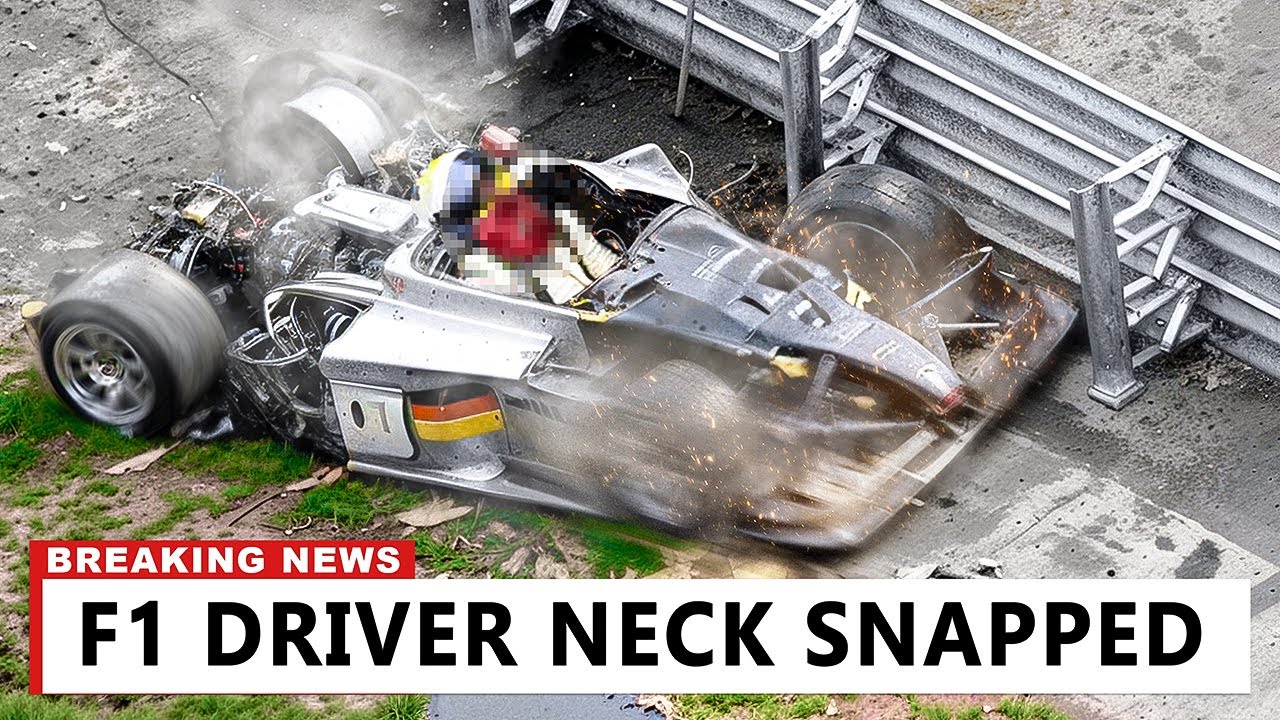
The silence at the Lausitzring oval was shattered not by the roar of an engine, but by the sickening crunch of carbon fiber and steel. At 1:58 PM local time, a high-speed test session for the Audi R8R transformed into a scene of absolute devastation. Michele Alboreto, the last Italian driver personally chosen by Enzo Ferrari, was gone.
The 45-year-old’s prototype had been traveling at over 300 kilometers per hour when a catastrophic failure sent the vehicle into a violent, uncontrollable spin, flipping it over the guardrail and into the unforgiving barrier beyond. Rescue teams reached the wreckage within two minutes, but there was nothing they could do. The motorsport world had just lost a legend, not to the fiery battles of Formula 1, but to a quiet, routine Tuesday test.
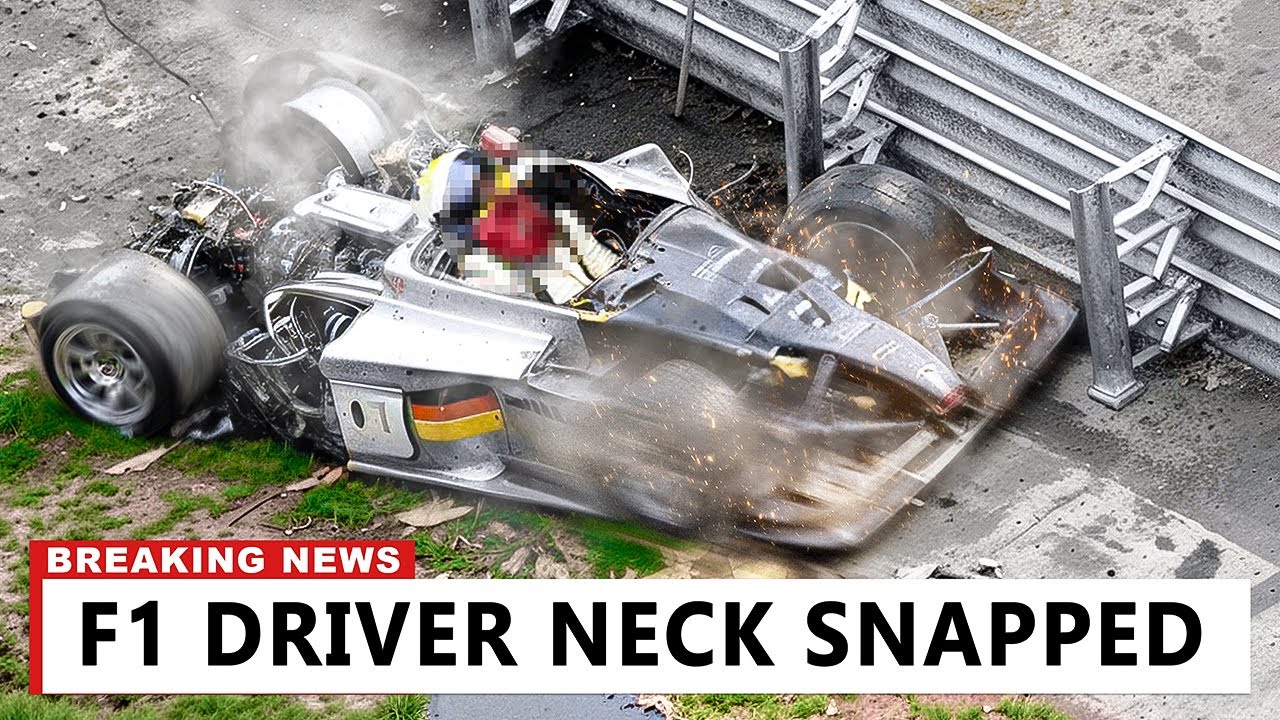 The initial reports from the track were chaotic, with eyewitnesses describing the Audi lifting off the ground before crashing upside down. The German Automobile Club (ADAC) and Audi’s engineering team immediately launched a full-scale investigation, sealing off the circuit and impounding the wreckage. Within hours, the preliminary findings pointed to a chillingly simple cause: a sharp object had punctured the left rear tire at speed.
The sudden deflation had sent the car into a high-speed aerodynamics crisis, ripping the downforce from the rear and launching the vehicle into the air. It was a freak accident, a cruel twist of fate that ended a career defined by resilience against far more predictable mechanical failures.
To understand the weight of this loss, one must rewind to a time when Italy was starving for a hero. The early 1980s were a graveyard of Italian F1 dreams. The names of Ascari, Castellotti, and Villeneuve were whispered with a mixture of reverence and dread, their fates sealed in the red of Ferrari.
Enzo Ferrari, the Commendatore, had sworn a solemn oath after the death of his champions: he would never again hire an Italian driver. The pressure, the media scrutiny, the national expectation—it was a burden too heavy for any man to bear. But when the young Michele Alboreto appeared on the scene, displaying raw speed and a maturity beyond his years, the old man’s resolve began to crack.
He saw something different in this Milanese driver, a calmness that could withstand the storm.
Alboreto’s ascent was meteoric. In 1983, he was already turning heads, and by 1984, the reins of the Scuderia were handed to him. The impossible dream of an Italian champion in a Ferrari felt real again.
The third race of the season delivered the magic. At Zolder, the Belgian Grand Prix, Alboreto crossed the line first, taking the checkered flag in a moment of pure national euphoria. The crowd erupted as the Ferrari swept past, and for the first time in years, the tifosi believed.
It was a magnificent drive, a statement that Ferrari had pulled itself out of the dark ages. But the shadows of the past were long, and the ghosts of Villeneuve and Pironi haunted the garage.
 The 1984 season was a brutal lesson in the fragility of hope. Alboreto raced with a ferocious consistency, but the car was a fragile masterpiece. At the Nürburgring, he nursed a fuel-starved Ferrari to a second-place finish, holding off Nelson Piquet with sheer willpower and setting the fastest lap.
At Monza, the cathedral of speed, he crossed the line in second, and the crowd sang as if he had won the title. But the title slipped away, not because of his driving, but because the machinery failed him in half the races. He finished fourth in the standings, a testament to his talent, but a bitter pill for a nation that demanded glory.
1985 began with a promise of redemption. He took pole position in Brazil, holding off a fierce charge from Alain Prost to claim second. In Portugal, he chased Ayrton Senna with sheer conviction, lapping every car except the McLaren ahead of him.
The season was a rollercoaster of highs and devastating lows. A puncture in Monaco threw him into chaos, yet he clawed his way back to finish second. In Canada, he finally won, taking the lead of the championship.
The tifosi were ecstatic. But Ferrari, in its eternal wisdom, decided to abandon their German KKK turbo for an American alternative. The new V6 was never built for Alboreto, and the switch was catastrophic.
The car broke down race after race, and the championship lead evaporated. He finished second in the standings, a heartbreaking result that was not his fault.
The death of Enzo Ferrari in 1988 was the final nail in the coffin of Alboreto’s F1 career. The team spirit shifted overnight, and the political machinations of Maranello became unbearable. After a final, poignant one-two finish at Monza, Alboreto sensed the end.
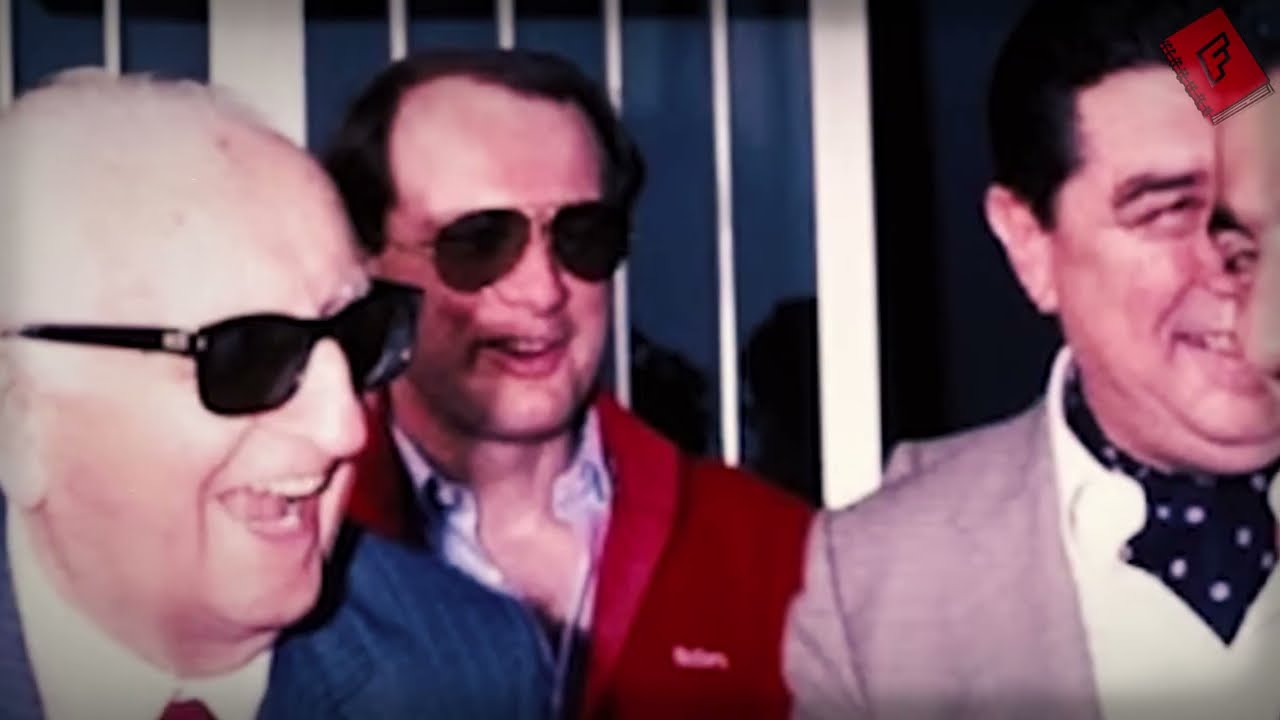 He left Ferrari, bouncing through teams like Tyrrell, Larrousse, and Minardi, fighting not for podiums but for scraps of points. By 1994, he walked away from Formula 1, a free man finally able to speak his mind. That voice would become central to one of the darkest chapters in racing history: the death of Ayrton Senna at Imola.
Alboreto testified with quiet authority, insisting that Senna’s crash was caused by mechanical failure, not driver error. He knew the feeling intimately; he had crashed at the same spot three years earlier, his front wing mount breaking and stealing his steering.
Endurance racing became Alboreto’s sanctuary. He found a home with the Joest Racing team, and at Le Mans in 1997, he achieved the ultimate redemption. Driving the Porsche WSC95, he battled through the night, managing his pace and fuel with the cool precision of a master.
In the final hours, the leading Porsche 911 caught fire, and Alboreto’s car surged into the lead. He crossed the line two laps ahead of the field, winning the hardest endurance race in the world. It was a victory that washed away the years of heartbreak.
He continued to build on this success, moving to Audi in 1999 and winning Petit Le Mans in 2000, bringing the German manufacturer its first major US endurance victory.
April 5th, 2001, was supposed to be another step in that journey. Alboreto was testing the Audi R8R at the Lausitzring, preparing for the upcoming season. He was 45 years old, a veteran at peace with his legacy.
The car was running flawlessly at over 186 mph on the high-speed banking when disaster struck. The puncture was instantaneous, and the aerodynamic balance of the prototype was destroyed. The car flipped, cleared the guardrail, and landed upside down.
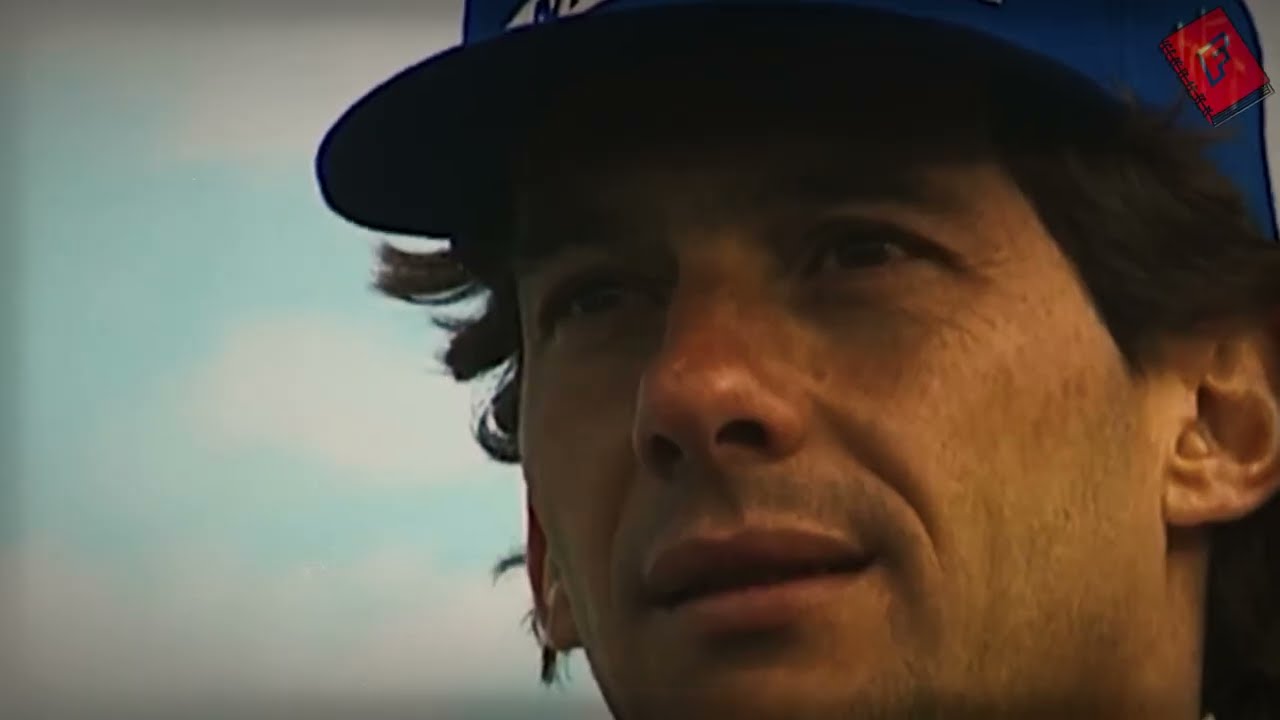 The rescue teams were fast, but the impact was fatal. The investigation confirmed the cause: a sharp item had punctured the left rear tire. It was a random, cruel event that no amount of skill or experience could have prevented.
The tributes poured in from across the globe. Former rivals remembered him not just as a fierce competitor, but as a gentleman. “He was a real gentleman,” recalled one contemporary.
“He was a straightforward guy, always friendly, always nice. You don’t have too many of those in racing.” In a sport defined by ego and aggression, Alboreto was a rarity, a man who raced with his heart but lived with grace.
His death was a stark reminder that the danger never truly leaves the sport, even in the quiet confines of a private test session. The silence of the Lausitzring was a deafening tribute to a man who had dedicated his life to the pursuit of speed.
In the aftermath, the motorsport community mourned not just a driver, but a symbol of a bygone era. He was the last link to Enzo Ferrari’s personal vision, the final Italian to be chosen by the Old Man himself. His legacy is now etched into the asphalt of Monza, where the fastest corner bears his name.
The Curva Alboreto is a permanent monument to his skill and bravery. But his story is also a cautionary tale, echoing the heartbreak of Senna and the countless others who paid the ultimate price. The crash ended a Ferrari legend, but it also highlighted the eternal truth of motorsport: the machine is always one small failure away from tragedy.