Burt “Robin” Ward FINALLY Reveals the Wild Untold Stories Behind Batman ’66 — What Really Happened Off Camera Will Shock You
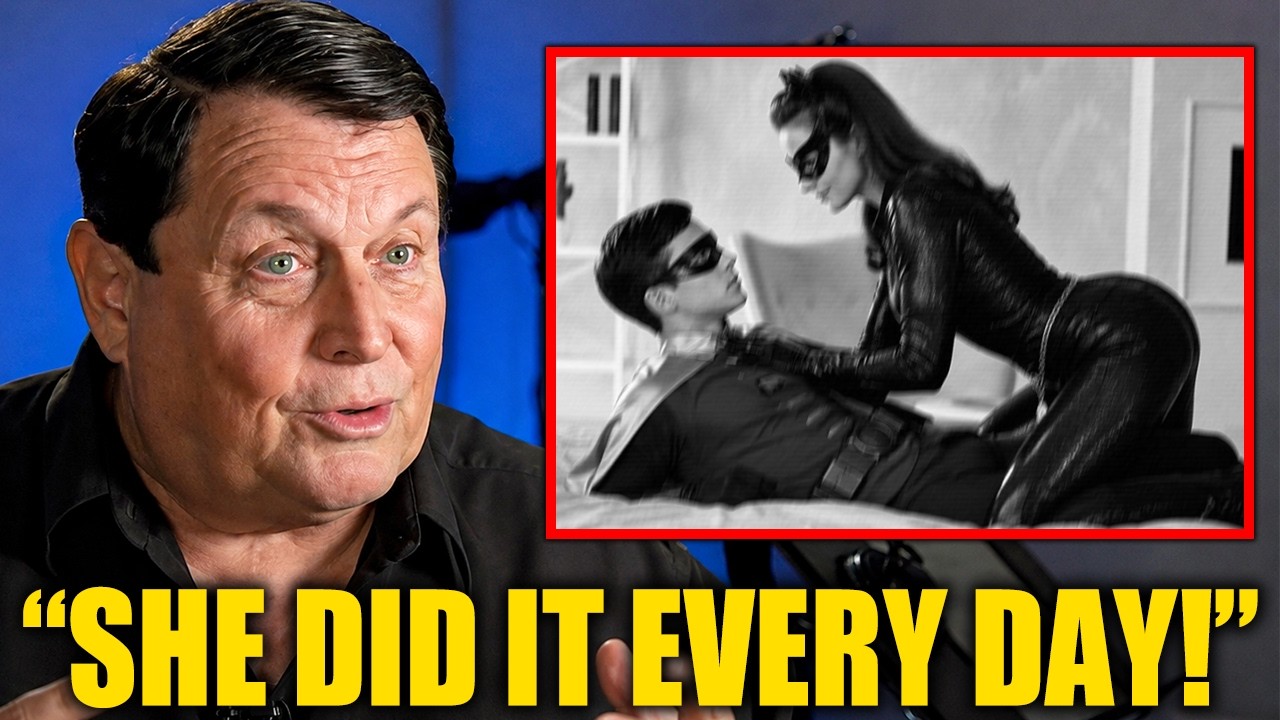
LOS ANGELES — Burt Ward, the actor who immortalized Robin in the iconic 1966 “Batman” television series, has spent decades pulling back the curtain on a Hollywood experience that was far stranger than any scripted villain’s scheme, and the stories he has shared paint a picture of sudden fame, deadly danger, and friendships that defied all expectations. From a hotel-room escape in his underwear to a prank orchestrated by Bruce Lee, Ward’s revelations have transformed how fans view the campy, colorful world of Gotham City. What happened behind the cameras was often more unbelievable than anything the Dynamic Duo faced on screen, and now, decades later, the full scope of those wild years is coming into sharper focus. Long before millions knew him as the Boy Wonder, Ward was simply Bert John Jervis Jr., a young boy from Los Angeles with an extraordinary childhood. Born on July 6, 1945, he grew up in a family that encouraged ambition and adventure, a trait that would define his entire life. His father owned a traveling ice show called “Rhapsody on Ice,” a unique family business that gave young Bert an opportunity few children ever experienced. At just two years old, he became a professional ice skater, performing at an age when most children were still learning to walk with confidence. His talent was so striking that he was featured in “Strange as It Seems,” a magazine that highlighted unusual stories from around the world. During this period, he earned the nickname “Sparky” for a dazzling trick: clicking his skates together in a darkened rink to create bright, visible sparks that audiences never forgot. Away from the ice, another passion was shaping his future. Like countless children of the 1950s, Ward collected comic books, trading them with friends and losing himself in the adventures of Superman and Superboy, his enduring favorites. He watched “The Adventures of Superman” starring George Reeves on television, never imagining he would one day wear the cape and mask of a superhero himself. His athleticism grew through high school, where he excelled in track, football, and wrestling. Around the same time, he discovered martial arts, taking karate classes before focusing on taekwondo, eventually earning a brown belt. These skills would later become the primary reason he stood out during one of television’s most famous auditions. After graduating high school, Ward enrolled in college and earned his real estate license with plans to join his father’s business. Acting was nowhere on his radar. He had zero experience, no training, and no ambition to perform. But fate intervened in the form of a neighbor in his Los Angeles apartment building. That neighbor was a young martial artist named Bruce Lee. Neither man was famous yet, but they bonded over a shared love of martial arts. They spent time exploring Chinatown, sharing meals, and enjoying each other’s company. Bruce even invited Bert to dinner, where he met Bruce’s wife and infant son, Brandon Lee. Everything changed in 1965 when Ward overheard other aspiring actors discussing auditions for a new television series based on Batman. He loved comic books and was immediately intrigued. The problem? He had no agent and no acting experience. Rather than giving up, he simply walked into a talent agency and asked to audition. Staff were stunned by his boldness. Ward admitted he had never acted before, yet the agency eventually directed him to the audition location. On the paperwork, under special skills, he listed football, wrestling, and taekwondo. His first audition went well enough to earn a callback, then another to demonstrate stunt work. Determined to make the strongest impression, Ward brought a friend to spar with and a wooden board to break with his bare hand. His confidence and athleticism impressed producer William Dozier, who immediately recognized the youthful enthusiasm they wanted for Robin. After multiple rounds of testing, Ward narrowly won the role. Adam West was cast as Batman, and before the series premiered, Ward made a final change. He altered the spelling of his first name from Bert to Burt, believing it looked better on screen, and replaced his surname Jervis with Ward, his mother’s maiden name, after people frequently mispronounced it. When “Batman” premiered in January 1966, it became an instant phenomenon. The studio launched one of the biggest promotional campaigns television had ever seen. Overnight, Ward went from an unknown young man to one of the most recognizable faces in America, and the excitement was overwhelming. The show appealed to everyone. Children loved the colorful adventures, adults appreciated the campy humor, and teenagers embraced the exaggerated action and playful dialogue. With audiences from nearly every age group tuning in, the series became one of the biggest television successes of the decade. But that success came with an exhausting price. Once each season finished filming, Ward and West traveled across nearly every state on promotional tours. The studio organized everything: travel, hotels, and events. They visited television stations, appeared at schools in full costume, and attended parades, shopping center openings, and department store events. Enormous crowds gathered everywhere they went. At just 20 years old, Ward suddenly lived a life no one could prepare for. One moment he was a college student planning a real estate career; the next, he was recognized everywhere. Every public appearance demanded a smiling, energetic Robin, even when exhaustion or personal problems threatened to break through the facade. Those personal struggles arrived quickly. During the height of the show’s success, Ward’s first marriage to Bonnie Lindsay fell apart. The couple had welcomed a daughter, Lisa, but the pressures of his demanding schedule placed enormous strain on their relationship. Only months after their daughter was born, they filed for divorce. Behind the cheerful smiles he showed fans, Ward was dealing with deep heartbreak. Instead of stepping away, he accepted as many promotional events as possible, keeping his schedule full as a way to cope. The public never saw that side of his life, but behind the scenes, fame was proving to be as challenging as it was rewarding. Then came the stories that sounded too unbelievable to be true. In 1995, Ward published his memoir, “My Life in Tights,” revealing behind-the-scenes secrets that had remained hidden for decades. Readers were shocked by just how wild his life had become once he and Adam West turned into household names. Ward revealed that attention was not only focused on Batman. While Adam certainly had plenty of admirers, Ward realized Robin had developed a massive following of his own. Many women wanted autographs or photos, but others were far more direct. Ward noted that many of these admirers were older than he was, often in their 30s or 40s. Some women got creative, slipping handwritten notes into his hands during public appearances or finding ways to pass him phone numbers. Ward admitted he began responding the same way, keeping notes with him and arranging meetings after the day’s events ended. He was young, newly famous, and caught up in the excitement. One story from those years became unforgettable. During a promotional tour, Ward invited a woman to his hotel room. Everything seemed normal until a violent pounding on the door began. An angry man outside was shouting threats, convinced his wife was inside. Ward looked through the peephole and saw only the chest of a very large man. Ward asked the woman if she was married. She insisted she was not and claimed no idea who the man was. The pounding grew more violent. Ward called Adam West in the next room, who jokingly replied, “Don’t worry, Robin. Batman will save you.” West opened his door, saw the enormous man, and quickly slammed it shut. West returned to the phone, his confidence gone, and told Ward to escape as fast as possible. The furious husband kicked the hotel room door so hard it nearly gave way. Ward pulled on his underwear while the woman grabbed her clothes. They rushed through the sliding glass door opening onto a ground-floor courtyard. As another powerful kick forced the door open, the chase began. The woman ran one direction, Ward the other. Wearing nothing but underwear, he sprinted across the hotel grounds, through the parking lot, and into nearby streets with the furious husband in pursuit. Hotel guests noticed the commotion, and staff called police. When officers arrived, they found Ward running through the area in his underwear and placed him in a police car while sorting things out. The truth was stranger than anyone expected. The husband had not caught Ward with his wife that night. He had met the same woman in a different city the previous week, and she later admitted it during an argument. The husband tracked the promotional tour to its next stop, located Ward’s hotel, and confronted him. After everything calmed down, West teased Ward mercilessly, joking he should always check for a wedding ring or at least look for the mark where one had recently been removed. Ward later laughed at the story but admitted it changed how he viewed fame. Another unforgettable chapter involved Ward’s reunion with his old friend Bruce Lee during the famous “Batman” and “The Green Hornet” crossover. Publicity materials had mistakenly described Ward as a martial arts black belt, stretching the truth about his actual brown belt rank in taekwondo. The crossover brought the two friends back together on set. Bruce Lee objected to the original script, which had Robin defeating Kato. Bruce believed Kato should not lose outright, especially since audiences knew him as an exceptionally skilled martial artist. He insisted the fight end in a draw. Standing up to producers showed how strongly he believed in protecting his character’s credibility. As filming approached, Ward noticed something unusual. Bruce refused to acknowledge him on set, showing no smile, no greeting, no conversation. Bruce looked at him with obvious anger. Ward worried that the false publicity about his martial arts background had damaged their friendship. He feared Bruce thought he had personally claimed to be a world-class martial artist. When filming began, Bruce charged straight toward Ward with complete intensity. Ward instinctively stepped backward, and a crew member jokingly shouted that Robin looked like he was running away. At that exact moment, Bruce stopped and burst into laughter. The serious expression and cold behavior had all been a practical joke. Bruce admitted crew members had encouraged him to pretend he was upset just to see Ward’s reaction. The prank instantly broke the tension. The two old friends laughed together, marveling that only a few years earlier they had been neighbors practicing martial arts on apartment balconies, and now they were starring in national television series. The fight scene was carefully staged to satisfy both shows, allowing each character to remain believable without clearly losing. It became one of the most famous crossover moments in television history. Ward often said the experience reminded him of Bruce’s true character: confident and protective of his craft, but also warm, loyal, and playful. Ward’s personal life continued its rapid pace during the show’s second season. He met actress Kathy Kersh, who appeared in two episodes, and their romance moved fast. They married, reflecting the breakneck speed of his life at the time. Both even released music recordings, with Ward’s “Boy Wonder, I Love You” written by Frank Zappa. The marriage did not last. By 1969, the same year “Batman” ended, they divorced. It was another difficult chapter in a life that already included two failed marriages before his mid-20s. The show’s cancellation marked the end of one of television’s biggest pop culture sensations, with declining ratings and rising production costs. For Ward, the biggest challenge came after the cameras stopped. Typecasting became a wall he could not break through. To audiences worldwide, he was Robin, and casting directors struggled to picture him as anyone else. … Read more
5 August 2026

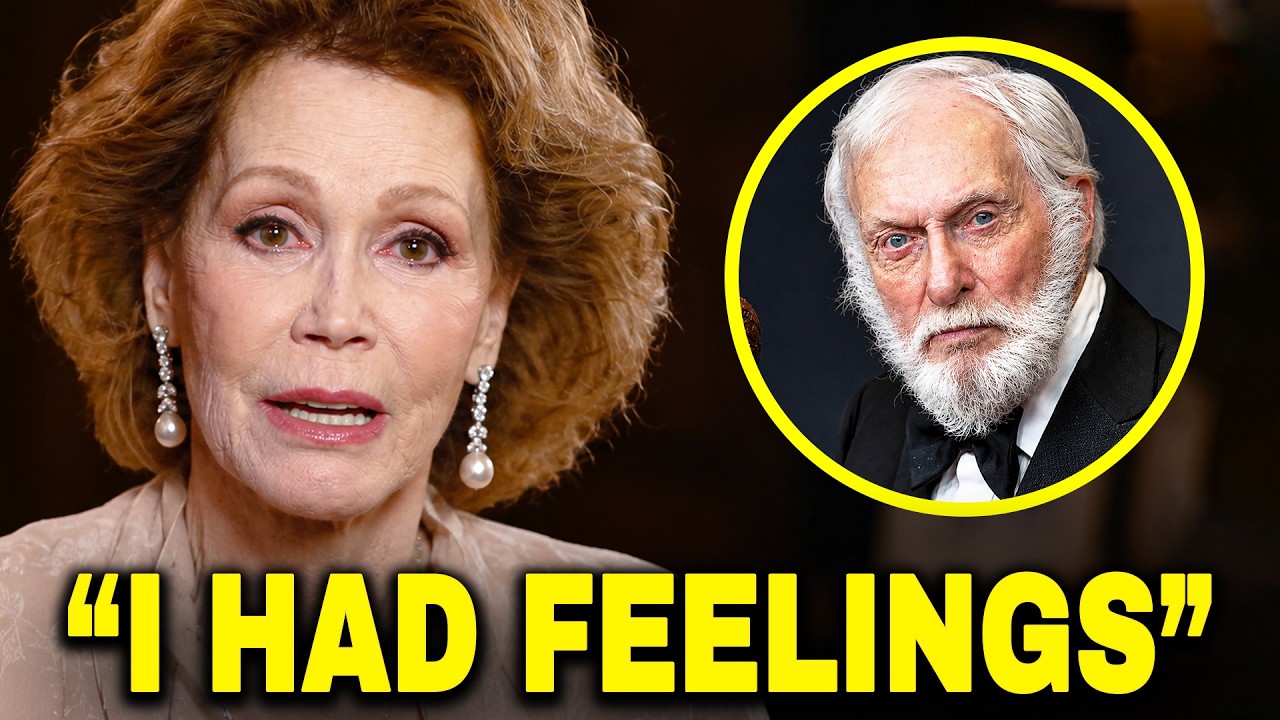
Mary Tyler Moore FINALLY Confesses the Truth About Her Secret Feelings for Dick Van Dyke — Fans Were Right All Along

After more than five decades of graceful deflection, Mary Tyler Moore has finally broken her silence about the true nature of her relationship with Dick Van Dyke, and what she has now confirmed rewrites the history of television’s most beloved on-screen couple.   In newly surfaced remarks, the late sitcom icon spoke candidly about what really existed between her and the man who played her husband, Rob Petrie, on The Dick Van Dyke Show. The confession ends years of careful evasion.     Moore admitted that she developed genuine romantic feelings for Van Dyke, confirming what millions of viewers always suspected when they watched Rob and Laura Petrie light up their television screens each week.     The warmth was not an act. The chemistry was not manufactured. According to Moore’s own words, the bond she shared with Van Dyke carried a depth that went far beyond professional friendship.       For decades, the two stars dismissed rumors of romance as nothing more than good acting. Moore now acknowledges the truth was far more complicated, and her revelation has sent shockwaves through the entertainment world.     The feeling, it turns out, was entirely mutual. Van Dyke has long admitted that he developed a powerful crush on his co-star during their five seasons together, a fascination so intense it once disrupted filming.     Van Dyke found himself laughing uncontrollably during scenes with Moore, a problem that became so frequent it began delaying production. Curious about the cause, he consulted a psychiatrist friend for advice.     The explanation was simple. He had developed a strong crush on his beautiful and remarkably talented co-star, a revelation he later shared openly in his autobiography.     Both actors were married throughout the show’s run, and Van Dyke has maintained that they never physically crossed that line, remaining committed to their respective spouses and building a friendship on mutual respect.     But Moore’s confession reveals an emotional entanglement that blurred every boundary, an affair of the heart that lasted more than half a century and shaped two of the greatest careers in television history.     Mary Tyler Moore was born in Brooklyn in December 1936 into a middle-class Irish Catholic family. From the age of three, she later admitted, she was showing off, craving the spotlight and dreaming of life in front of an audience.     Her path to stardom began when her family moved to Los Angeles after an uncle recognized her spark and encouraged them to chase the Hollywood dream she so desperately wanted to live.     Her first success came through television commercials, including a memorable role as Happy Hot Point, a tiny dancing elf on The Adventures of Ozzie and Harriet. The job paid $6,000 for just five days of work, a fortune at the time.     Her personal life moved just as quickly as her career. At just 18 years old, she married her next-door neighbor, Richard Meeker, a 28-year-old cranberry juice salesman who represented an escape from a childhood she described as unstable and controlling.     Only six weeks after the wedding, Moore discovered she was pregnant. The pregnancy forced her to leave the lucrative Happy Hot Point role, but it also brought her the greatest joy of her early life, her only child, Richard Carlton Meeker Jr.     The marriage did not survive. By 1962, Moore and Meeker had divorced, a separation that took a heavy toll on their young son, whose school performance declined and who eventually spent much of his time living with Mary’s mother.     Determined to rebuild her career, Moore accepted whatever opportunities came her way, posing anonymously for album covers and auditioning for television roles. One famous rejection came from Danny Thomas, who passed on her because he felt his television daughter could not have such a small nose.     Thomas never forgot her talent, and his personal recommendation changed television history. He suggested Moore for the role of Laura Petrie in Carl Reiner’s new sitcom, The Dick Van Dyke Show.     More than 60 actresses reportedly competed for the role. Moore was initially uncertain and needed encouragement from her agent just to attend the audition, but the moment she read the script, everything changed. … Read more

5 August 2026

„Meine Eltern nannten meinen Sohn und mich Schmarotzer – obwohl sie kostenlos in meinem Haus lebten!

Eine Familienfeier endete am Samstagabend in einem Vorort mit einem Eklat, der das Leben einer alleinerziehenden Mutter für immer verändern sollte. Was als harmonisches Abendessen mit Verwandten geplant war, wurde zum Wendepunkt in einem monatelangen Machtkampf um ein Eigenheim, dessen Eigentümerin sich plötzlich wie eine Fremde im eigenen Haus fühlen musste. Die 35-jährige Rachel Carins stand am Esstisch ihres eigenen Hauses, als ihr Vater mit ausgestrecktem Finger auf sie und ihren zwölfjährigen Sohn Liam zeigte und rief: „Ihr zwei seid nichts weiter als Schmarotzer.” Ihre Mutter nickte zustimmend, als handle es sich um die größte Wahrheit des Abends. Dabei war es Rachel, die seit Jahren jeden Cent für dieses Haus erarbeitet hatte. Die Hypothek wird jeden Monat von ihrem Konto abgebucht. Sämtliche Nebenkosten trägt sie allein. Der Grundbucheintrag lautet ausschließlich auf ihren Namen. Und seit fast zwei Jahren wohnen ihre Eltern mietfrei in diesem Haus. Doch an diesem Abend, umgeben von Tanten, Onkeln, Cousins und langjährigen Familienfreunden, blieb Rachel zunächst still. Sie erhob nicht einmal die Stimme. Was dann geschah, teilte Rachel nun in einem bewegenden Video mit, das innerhalb weniger Stunden tausendfach geteilt wurde. Statt zu schreien oder zu kontern, stand sie auf, sah ihren Eltern direkt in die Augen und sagte mit ruhiger Stimme: „Ihr habt 24 Stunden Zeit auszuziehen.” Die Stille am Tisch war erdrückend. Niemand wagte es, ein Wort zu sagen. Der Abend, der die Familie wieder zusammenführen sollte, hatte sie endgültig gespalten. Die Vorgeschichte dieses Dramas begann vor rund drei Jahren. Rachel arbeitete damals lange Tage, übernahm zusätzliche Projekte und sparte jeden Bonus, um sich ihren großen Traum zu erfüllen: ein bescheidenes zweistöckiges Haus in einer ruhigen Nachbarschaft. Als sie und Liam den letzten Umzugskarton ins Haus trugen, machte sie ihrem Sohn ein Versprechen: „Egal, was passiert, dieser Ort wird immer unser Zuhause sein.” Etwa ein Jahr später klingelte das Telefon. Ihre Eltern waren in einer finanziellen Notlage. Die Firma des Vaters hatte Personal abgebaut, und die beiden standen plötzlich ohne ausreichendes Einkommen da. Sie brauchten vorübergehend eine Unterkunft, bis sie wieder auf eigenen Beinen stehen konnten. Rachel zögerte keine Sekunde. „Kommt zu uns”, sagte sie. „Bleibt so lange, wie ihr müsst.” Ihre Eltern bedankten sich überschwänglich und versprachen, es würden nur ein paar Monate. Anfangs funktionierte das Zusammenleben tatsächlich. Rachels Mutter kochte mehrmals pro Woche das Abendessen. Ihr Vater half Liam bei den Mathematik-Hausaufgaben. Das Haus war wieder voller Lachen und Leben. Doch nach und nach, so schildert Rachel in ihrem Bericht, begann sich die Atmosphäre schleichend zu verändern. Die Mutter fing an, die Küche nach ihrem eigenen System umzugestalten. Der Vater stellte jede Erziehungsentscheidung seiner Tochter in Frage. „Wenn du öfter auf uns hören würdest, wäre das Leben viel einfacher”, sagte er regelmäßig. Rachel ignorierte diese Bemerkungen zunächst, weil sie davon überzeugt war, dass es gut gemeint war. Doch die Übergriffe wurden immer dreister. Die Eltern bezeichneten das Gästezimmer bald als „unsere Seite des Hauses”. Sie luden Freunde ein, ohne ihre Tochter zu fragen. Selbst einfachste Entscheidungen über das eigene Zuhause schienen plötzlich die Zustimmung der Eltern zu benötigen. Der Wendepunkt im Privaten ereignete sich an einem gewöhnlichen Abend, als Rachel bemerkte, dass ihr Sohn ungewöhnlich schnell sein Abendessen hinunterschlang. Auf ihre Frage, ob alles in Ordnung sei, zwang sich Liam zu einem Lächeln und antwortete: „Ja, ich möchte nur nicht, dass Opa wieder wütend wird.” Dieser Satz traf seine Mutter wie ein Schlag ins Gesicht. Ihr zwölfjähriger Sohn machte sich Sorgen, den Frieden in seinem eigenen Zuhause bewahren zu müssen. Trotzdem redete sich Rachel ein, dass sich alles wieder einrenken würde. Als ihre Mutter vorschlug, ein großes Familienessen zu veranstalten, hoffte sie insgeheim auf eine Versöhnung. Sie ahnte nicht, dass dieser Abend alles zerstören würde. Die Verwandten kamen in Scharen. Tanten, Onkel, Cousins und langjährige Freunde saßen gemeinsam am Tisch. Die Mutter hatte den ganzen Nachmittag ihre Lieblingsgerichte zubereitet und betont, dieses Essen werde die Familie wieder enger zusammenschweißen. Eine Zeit lang fühlte sich alles tatsächlich normal an. Die Menschen lachten, die Kinder spielten im Garten. Sogar Liam wirkte entspannter als in den vergangenen Wochen. Doch dann ergriff Rachels Tante Linda das Wort und lobte das Haus. „Rachel, dein Haus ist wunderschön. Du kannst wirklich stolz auf das sein, was du erreicht hast.” Bevor Rachel sich bedanken konnte, lehnte sich ihr Vater zurück und lachte höhnisch auf. „Wunderschön. Wenn deine Mutter und ich nicht jeden Tag hier helfen würden, würde dieses Haus völlig auseinanderfallen.” Der Tisch verstummte schlagartig. Rachel versuchte, das Thema zu wechseln, doch ihr Vater redete einfach weiter. „Wir haben das ganze Haus organisiert. Eigentlich sorgen wir dafür, dass hier überhaupt alles funktioniert.” Seine Frau nickte zustimmend und fügte hinzu: „Rachel hat keine Ahnung, wie viel wir jeden Tag für sie tun.” Mehrere Verwandte wechselten verlegene Blicke. Liam starrte stumm auf seinen Teller. Dann kam der Moment, der alles veränderte. Rachels Vater sah seiner Tochter direkt in die Augen und sagte: „Du und der Junge habt es wirklich leicht.” Als sie nachfragte, was er damit meine, verschränkte er die Arme und schleuderte ihr die Worte entgegen, die sie nie vergessen wird: „Ihr zwei seid nichts weiter als Schmarotzer. Ihr erwartet, dass andere die ganze Verantwortung tragen, während ihr einfach nur die Vorteile genießt.” Für einen Moment glaubte Rachel, sich verhört zu haben. Schmarotzer, in dem Haus, das sie gekauft hatte. In dem Haus, in dem jede Hypothekenrate, jede Strom- und Wasserrechnung, jeder Einkauf und jede Reparatur von ihrem Gehalt bezahlt wurde. Doch sie schwieg. Sie sah nur ihren Sohn, der den Kopf gesenkt hatte und beschämt wirkte. Dieser Anblick schmerzte mehr als jedes Wort ihres Vaters. Langsam legte sie ihre Serviette neben den Teller und stand auf. „Ich glaube, jeder hier weiß, auf wessen Namen dieses Haus eingetragen ist”, sagte sie mit ruhiger, fester Stimme. Dann entschuldigte sie sich und ging nach oben. In dieser Nacht schlief sie kaum. Die Worte ihres Vaters hallten immer wieder in ihrem Kopf nach. Jedes Mal, wenn sie die Augen schloss, sah sie Liam am Esstisch sitzen, den Kopf gesenkt, versuchend, das verstummte Lachen um ihn herum zu ignorieren. Doch als die Sonne aufging, war die Wut verflogen. An ihre Stelle war Klarheit getreten. Rachel erkannte in dieser Nacht, dass sie fast zwei Jahre lang versucht hatte, es allen anderen recht zu machen, anstatt den Frieden in ihrem eigenen Zuhause zu schützen. Am nächsten Morgen fuhr sie Liam zu seinem Basketballtraining. Danach kehrte sie mit einer Entschlossenheit nach Hause zurück, die sie seit Jahren nicht mehr gespürt hatte. Sie öffnete den Aktenschrank, zog den Ordner mit den Hausunterlagen heraus und breitete alle Dokumente vor sich aus. Auf jedem einzelnen stand nur ein Name: ihrer. Sie schrieb einen Brief an ihre Eltern. Weder emotional noch beleidigend. Sie erklärte lediglich, dass sie die gemeinsame Zeit geschätzt habe, es nun aber an der Zeit sei, dass jeder wieder seinen eigenen Wohnraum bekomme. Sie bot an, bei der Wohnungssuche zu helfen und sogar die Kaution für eine neue Wohnung zu übernehmen. Als Liam vom Training zurückkam, sah er den Umschlag in ihrer Hand und fragte besorgt: „Mama, geht es dir gut?” Zum ersten Mal seit dem Familienessen lächelte sie. „Ich glaube, jetzt endlich schon.” Die Reaktion ihrer Eltern war zunächst genau das, was sie erwartet hatte. Ihr Vater lachte kurz auf und fragte, ob das eine Geburtstagskarte sei. Doch als sie den Brief gelesen hatten, verschwand das Lächeln aus ihren Gesichtern. „Rachel, das meinst du doch nicht ernst”, stammelte ihr Vater. Doch sie blieb standhaft. „Es geht darum, für Liam und mich wieder ein friedliches Zuhause zu schaffen”, antwortete sie. In den folgenden Tagen riefen Verwandte an, die nur Fragmente der Geschichte gehört hatten. Rachel erklärte ruhig, was beim Familienessen passiert war und warum sie diese Entscheidung getroffen hatte. Die meisten reagierten mit stillem Verständnis. Mehrere gaben sogar zu, dass sie die wachsenden Spannungen seit Monaten bemerkt hatten, aber nie gewusst hatten, wie sie das Thema ansprechen sollten. Gegen Ende der Woche hörten ihre Eltern auf zu streiten. Zum ersten Mal wurde ihnen klar, dass ihre Tochter ihre Entscheidung nicht mehr ändern würde. Am Samstagmorgen fuhr ein Umzugswagen in die Einfahrt. Der Abschied verlief viel ruhiger, als Rachel erwartet hatte. Ihr Vater trug die ersten Kartons schweigend zum Wagen. Ihre Mutter wickelte sorgfältig Teller und Gläser in Zeitungspapier ein. In der Küche, als der letzte Schrank ausgeräumt war, sah sich Rachels Mutter um und sagte mit schwachem Lächeln: „Ich glaube, ich habe mich hier ein bisschen zu sehr wie zu Hause gefühlt.” Rachel antwortete ehrlich: „Ich wollte, dass dieses Haus sich für euch wie ein Zuhause anfühlt. Ich hätte nur nie gedacht, dass es irgendwann aufhören würde, sich für uns wie unser Zuhause anzufühlen.” Einen Moment lang herrschte Schweigen. Dann flüsterte ihre Mutter die drei Worte, die mehr bedeuteten als jede lange Erklärung: „Es tut mir leid, Rachel.” Auch ihr Vater entschuldigte sich. „Ich habe Dinge gesagt, die ich niemals hätte sagen dürfen.” Rachel verzieh ihnen noch am selben Tag. Doch sie machte deutlich: „Vergebung bedeutet nicht, dass wir auf gesunde Grenzen verzichten.” Ihr Vater nickte langsam und sagte: „Jetzt verstehe ich das.” Nach einer letzten Umarmung stiegen die Eltern in den Umzugswagen und fuhren davon. Liam trat neben seine Mutter. Gemeinsam öffneten sie jedes Fenster im Haus und ließen frische Luft durch alle Räume strömen. „Jetzt fühlt es sich endlich wieder wie unser Zuhause an, Mama”, sagte ihr Sohn leise. Experten für Familienpsychologie sehen in diesem Fall ein weit verbreitetes Muster. Wenn erwachsene Kinder Eltern bei sich aufnehmen, verschwimmen oft die Grenzen zwischen Gastgeber und Gast. Was als temporäre Hilfe gedacht war, entwickelt sich nicht selten zu einem dauerhaften Machtkampf um Territorium und Autorität. Besonders kritisch wird es, wenn die hilfesuchenden Eltern beginnen, die Lebensführung ihrer erwachsenen Kinder zu bewerten und abzuwerten. Die Wochen nach dem Auszug fühlten sich für Rachel und Liam auf eine seltsame Weise friedlich an. Zum ersten Mal seit Monaten gab es kein angespanntes Schweigen mehr am Frühstückstisch. Das Haus klang endlich wieder wie ein Zuhause. Liam lachte häufiger, lud Freunde ein und begann sogar wieder im Wohnzimmer Gitarre zu üben, etwas, das er heimlich aufgegeben hatte, weil er seinen Großvater nicht stören wollte. Zu sehen, wie entspannt er wieder wurde, erinnerte Rachel daran, dass Kinder viel mehr wahrnehmen, als Erwachsene oft glauben. Ein paar Wochen später rief ihre Mutter an. Nicht um zu streiten, nicht um die Entscheidung ihrer Tochter infrage zu stellen. Sie wollte einfach nur wissen, wie es Liam ging. Von da an wurden die Gespräche langsam wieder herzlicher. Auch der Vater meldete sich und entschuldigte sich erneut, diesmal mit echter Demut in der Stimme. Die räumliche Distanz hatte die Beziehung nicht zerstört. … Read more

5 August 2026

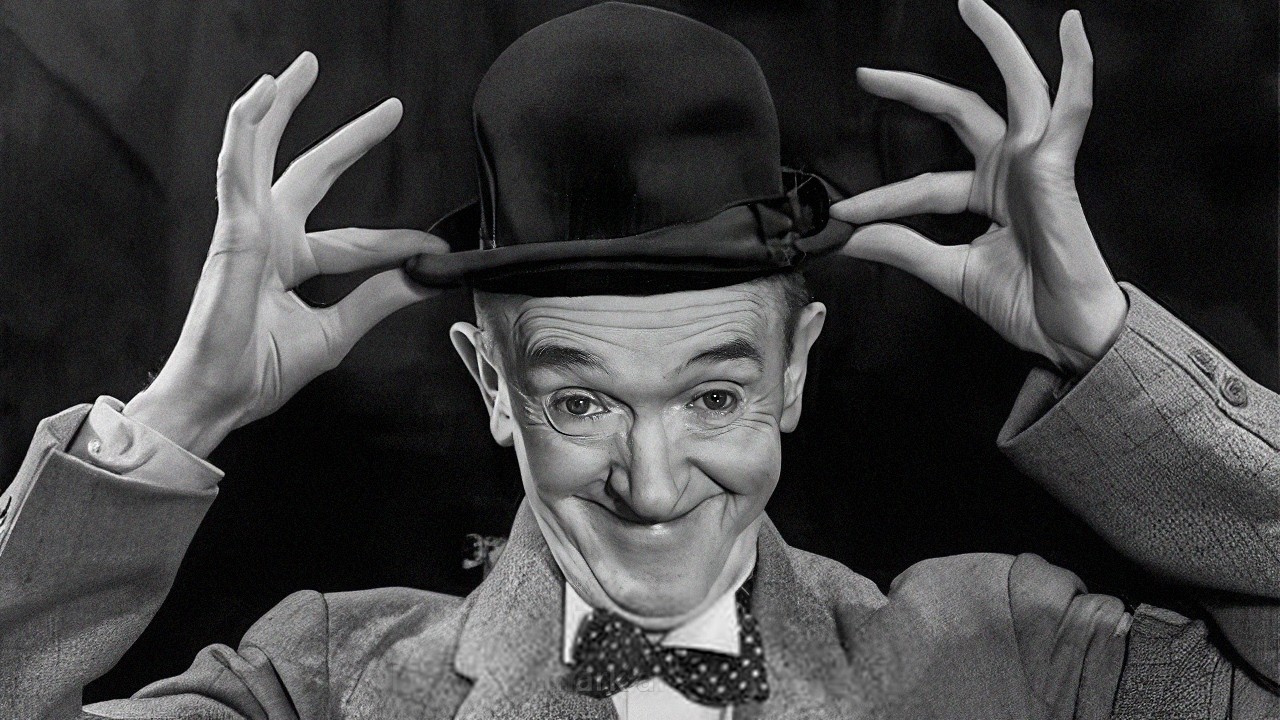
We All Laughed at Stan Laurel… But the Heartbreaking Truth About His Final Years Will Leave You Speechless

The man who taught the world to laugh spent his final years unable to find a single reason to smile. New details emerging about the life of Stan Laurel, the beloved half of the legendary comedy duo Laurel and Hardy, reveal a story far darker than the gentle, bumbling character audiences adored on screen. Behind the bowler hat and the bewildered expression was a man shattered by the death of an infant son, a string of catastrophic marriages, financial ruin, and the unbearable loss of his creative soulmate, Oliver Hardy. Laurel, born Arthur Stanley Jefferson in Ulverston, England, in 1890, grew up in the theater. His father managed playhouses and wrote scripts, while his mother performed on stage. But the childhood that should have been magical was marked by sickness and solitude. As a frail boy often left in his grandmother’s care while his parents toured, young Stan escaped into a world of toy theaters and puppet shows, rehearsing for a future he could not yet imagine. By his mid-teens, Laurel was sneaking onto amateur stages, and by 1906, he had borrowed his father’s best suit to perform at the Britannia Panopticon. When his father spotted him in the audience, Stan braced for punishment. Instead, his father bought him a whiskey and soda, a silent blessing that set him on a path toward Hollywood. He joined Fred Karno’s comedy troupe, where he shared stages and lodgings with a young Charlie Chaplin, learning the art of physical comedy that would define his career. In 1912, the troupe toured America, and when the company dissolved, while others sailed home, Laurel stayed behind with almost nothing. For years, he scraped by in vaudeville, working alongside Australian actress Mae Dahlberg, who became his stage partner and common-law wife. It was Dahlberg who pushed him to change his name, insisting the thirteen letters of Stan Jefferson were unlucky. The name Laurel stuck, but the partnership soon soured. Producer Joe Rock saw potential in Laurel but viewed Dahlberg as an obstacle. In a ruthless move, Rock paid for her passage back to Australia, ending their relationship and clearing the way for Laurel’s solo ascent. By 1925, Laurel was writing and directing at Hal Roach Studios, his acting career seemingly behind him. Then fate intervened when Oliver Hardy suffered a kitchen accident. Laurel stepped in front of the camera to fill the role, and comedy history was made. The pairing was instant magic. Hardy’s smooth, confident demeanor played perfectly against Laurel’s childish confusion. But while audiences saw two equal partners, the truth was that Laurel was the architect of nearly every film. He wrote the gags, edited the footage, and obsessed over timing. Hardy himself deferred to Laurel’s creative genius, understanding that his partner was the engine driving their success. Their 1932 short, The Music Box, earned an Academy Award and cemented their legacy. Yet even as the world celebrated, Laurel was crumbling inside. In 1927, he and his wife Lois welcomed a daughter. Three years later, in May 1930, Lois gave birth to a son, Stanley Robert Jefferson, born two months premature. The infant fought for nine days before dying. Laurel, who rarely spoke of the loss, buried his grief and returned to work, but the wound never healed. The marriage collapsed, and by 1934, the couple divorced. What followed was a chaotic spiral of relationships. Within a month of the divorce, Laurel married Virginia Ruth Rogers, while confessing he was still in love with Lois. That marriage failed, and the couple remarried only to divorce again. In between, Laurel wed Russian actress Vera Ivanova Shouvalova, known as Elana, in a union so legally messy they reportedly held multiple ceremonies. In 1938, Elana publicly accused Laurel of attempting to bury her alive in their backyard. The allegation, never proven, made headlines and painted the kindhearted comedian in a shocking new light. Stability finally arrived in 1946 when Laurel married opera singer Ida Kitaeva Raphael. She remained his anchor through the storms that followed. But professionally, Laurel was facing his greatest battle. A bitter contract dispute with Hal Roach escalated into a years-long lawsuit. Roach, who had deliberately staggered Laurel and Hardy’s contracts to maintain control, paired Hardy with another comedian. Laurel sued, spending a fortune he did not have. Though he won a settlement and returned to finish two more films, the damage was permanent. The duo left Roach Studios, signed with other production houses, and watched their golden era fade. Their final Hollywood film, The Bull Fighters, released in 1945, was a pale echo of their former glory. A desperate attempt at a comeback, Atoll K, filmed in Europe in 1951, was plagued by illness and language barriers. Laurel contracted dysentery, while Hardy’s heart was failing. The film flopped, ending their movie careers not with triumph, but with exhaustion. Behind the scenes, Laurel’s finances had collapsed. Multiple alimony payments consumed nearly 65 percent of his income. His former partner Mae Dahlberg resurfaced to sue for lifelong support. His own cousin Edgar invested his money in failing oil ventures, losing hundreds of thousands of dollars. Laurel sold his mansion, his Rolls-Royce, and his furniture. His wife Ida took a job at a department store to keep the household afloat. At his lowest moments, Laurel borrowed money from Hardy to cover basic expenses. The final blow came on August 7, 1957, when Oliver Hardy died of a heart attack at age 65. Laurel was inconsolable. He refused every offer to perform with another partner, insisting that Laurel and Hardy were a single entity that could never be recreated. Without Hardy, Laurel retreated into isolation. His own health declined through the early 1960s as heart problems and the toll of decades of physical comedy caught up with him. On February 23, 1965, Stan Laurel died of a heart attack in Santa Monica at age 74. The world mourned the loss of a genius who had brought joy to millions. But those who knew the full story understood the deeper tragedy. This was a man who lost his son, his marriages, his fortune, and his best friend, all while maintaining the gentle smile that made strangers feel comforted. He gave the world laughter and received heartbreak in return. In the end, the comedian who made everyone laugh died with a heart that had been broken for years. His legacy remains, but so does the quiet sorrow of a life that deserved far more happiness than it ever found.

4 August 2026

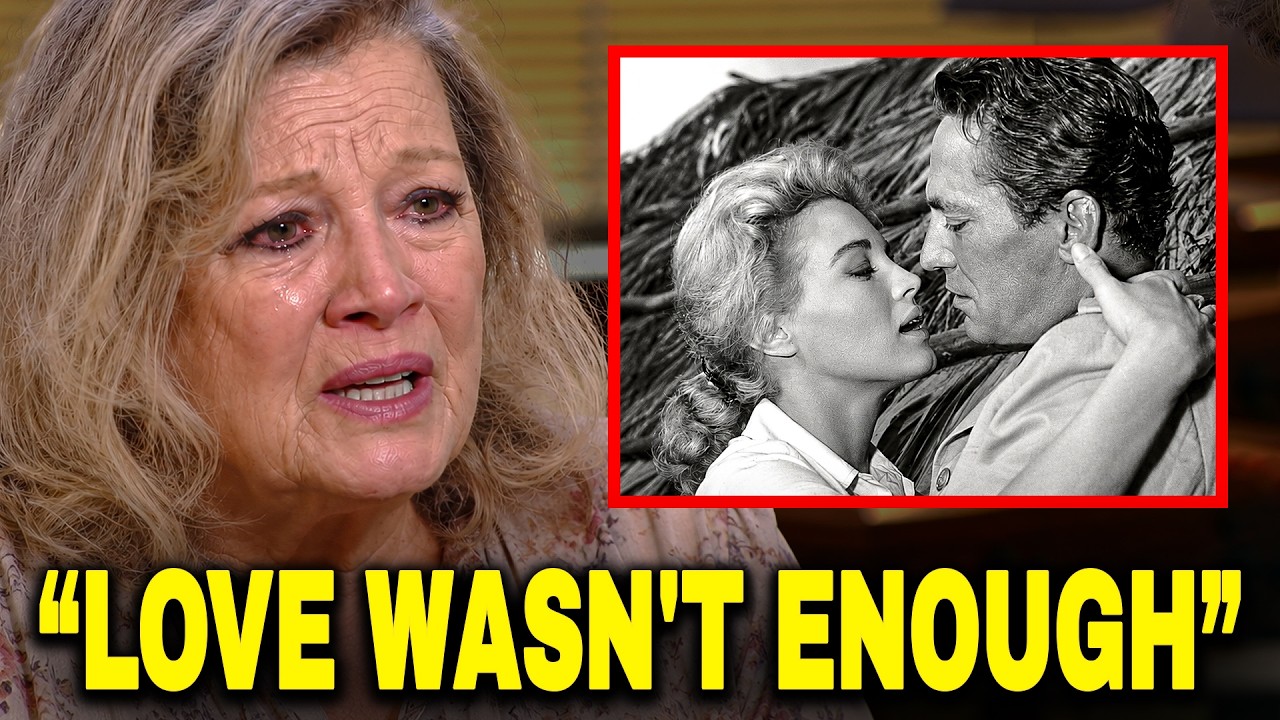
Angie Dickinson FINALLY Reveals the Shocking Reason She Rejected Frank Sinatra’s Marriage Proposals — The Truth Changes Everything

Angie Dickinson has finally broken her decades of silence, revealing the deeply personal reasons why she repeatedly turned down Frank Sinatra’s marriage proposals despite calling him the love of her life. The revelation comes as a shock to fans who spent years watching the two Hollywood icons navigate one of the entertainment industry’s most magnetic and enduring romances. During Hollywood’s golden age, the connection between Angie Dickinson and Frank Sinatra was the stuff of legend. Their chemistry captivated the world, and on the surface, they appeared to be the ultimate power couple destined for a lifetime together. Old Blue Eyes himself was reportedly desperate to make her his wife, yet she consistently walked away from a life with the legendary crooner. The iconic actress, now looking back on her extraordinary life, has finally lifted the veil on the shocking truth behind her decision. Far from a lack of love, the answer lies in a side of Sinatra that she came to know better than almost anyone else, a lifestyle she realized she could never embrace. Her story reveals a woman who chose authenticity and self-awareness over the glitz of a fairytale marriage. Long before she became one of Hollywood’s most desired leading ladies, Dickinson’s journey began in the tiny farming town of Kulm, North Dakota. Born Angeline Brown, she was the middle of three daughters in a close-knit family with strong German roots. Her father, Leo Henry Brown, was a prominent figure in the community, serving as the publisher and editor of the local newspapers and working as the projectionist at the town’s only movie theater. Those cinematic screenings became magical windows into another world for young Angie, sparking a fascination with the larger-than-life stars flickering across the screen. The dream of Hollywood was temporarily interrupted when the theater burned down, but her imagination had already been captured. In 1942, the Brown family moved west to Burbank, California, placing her within touching distance of the movie industry she admired from afar. This transition from a quiet North Dakota town to Southern California exposed her to a world filled with opportunity and ambition. Angie proved early on that beauty was only one part of who she was, excelling in school and graduating from high school at just 15 years old. Initially inspired by her father’s work in publishing, she imagined building a future with words, studying at Glendale Community College before earning a business degree from Immaculate Heart College. Her life took a significant turn in 1952 when she married football player Gene Dickinson, adopting the surname that would soon become famous. Unaware that her life was about to change forever, she soon found herself on the path to stardom. It was during these early years that she met Frank Sinatra for the first time, forming a friendship that would last for decades and eventually blossom into one of Hollywood’s most talked-about romances. Her official acting debut came on New Year’s Eve in 1954, opening doors to a seemingly endless list of popular television shows and leading roles. Legendary director Howard Hawks eventually cast her in Rio Bravo, a role that became her breakthrough and elevated her to international stardom alongside John Wayne and Dean Martin. She quickly became one of the industry’s most recognizable leading ladies, starring opposite an extraordinary lineup of actors. By the early 1970s, Dickinson reinvented herself as Sergeant Pepper Anderson in Police Woman, becoming one of television’s biggest stars. The groundbreaking series dominated ratings, earned her a Golden Globe, and changed television forever. Yet, while her career reached extraordinary heights, her private life, especially concerning Frank Sinatra, was becoming far more complicated than the public ever realized. In 2023, Angie finally confirmed what many had suspected for decades, revealing that she and Sinatra had shared an on-and-off love affair that lasted nearly 20 years. She described Frank as the love of her life and called him one of the most charismatic men that ever was. This confession raised an even bigger question: if his feelings were every bit as strong, why did she repeatedly refuse to become his wife? During a revealing interview, Angie finally offered the explanation that had eluded fans for decades. When asked about marrying Sinatra, she made a frank admission about the realities of his world. The answer wasn’t rooted in a lack of love, but rather in the overwhelming challenge of what his lifestyle would demand of her. She knew that becoming Mrs. Sinatra would mean stepping into a whirlwind that never seemed to slow down. Frank Sinatra thrived at night. His world revolved around late-night dinners, endless parties, performances that stretched into the early hours, and a non-stop social life filled with celebrities and politicians. That lifestyle energized him, but Angie realized it wasn’t the life she wanted for herself. She admitted that she simply wasn’t prepared to take on that challenge, understanding that loving someone and building a life with them were not always the same thing. Rather than convincing herself she could adapt to a world of constant chaos, she made the painful decision to be honest about what she wanted. There was another reason that revealed even more about Angie’s character: her deep admiration for Frank’s former wife, Nancy Sinatra Sr. Instead of viewing her as a rival, Angie described Nancy as gracious, warm, and remarkably kind, a woman she adored and respected too much to disrupt. “I adored his wife, Nancy. She was so wonderful and so gracious,” Dickinson later admitted. For her, marrying Frank meant stepping into a family dynamic she didn’t want to destabilize. Not long after deciding against marriage with Sinatra, she married legendary composer Burt Bacharach in 1965. Their marriage lasted 16 years, producing both unforgettable memories and heartbreak before ending in divorce in 1981. Even as life took them in different directions, Frank never completely disappeared from Angie’s heart. Their friendship endured through the decades, proving that some relationships don’t need marriage to remain meaningful. She never spoke about Sinatra with bitterness or regret, accepting that their love was real but that their lives were never meant to follow the same path. Sometimes the hardest decision isn’t walking away from someone you don’t love, but walking away from the person you love most because you know it’s the only choice you can live with.

4 August 2026

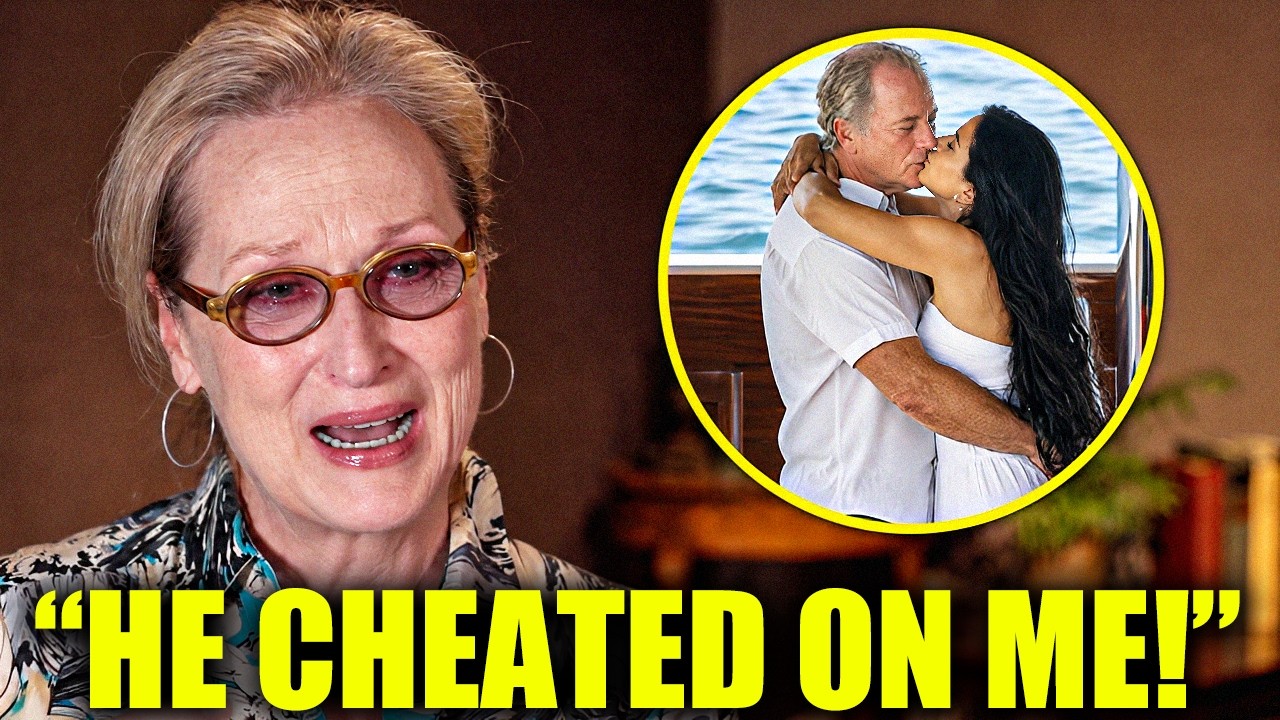
Meryl Streep Finally Walked Away After 45 Years — The Hidden Truth Behind Her Marriage Shocked Fans

In a stunning turn of events, Meryl Streep, one of Hollywood’s most revered actresses, has decided to part ways with her husband, Don Gummer, after 45 years of marriage. Fans were left reeling as news of their separation emerged, revealing a hidden rift that had developed over the years. While the couple often appeared united on the red carpet, behind closed doors, their relationship had been quietly unraveling. Reports indicate that Meryl and Don had been living separate lives for over six years before the news became public, leaving many to wonder what could have led to the end of such a long-standing partnership. Meryl, born Mary Louise Streep in 1949, grew up in New Jersey, nurtured by a mother who instilled in her the confidence to pursue her dreams. With a passion for the arts, she blossomed from a shy child into one of the most celebrated actresses of her generation. Her early experiences in theater laid the groundwork for a remarkable career that would soon capture the world’s attention. Her journey to stardom began in earnest after graduating from Vassar College and continuing her training at the Yale School of 𝒹𝓇𝒶𝓂𝒶. It was during this time that Meryl honed her craft, taking on challenging roles that showcased her incredible range and emotional depth. By the mid-1970s, she had already made a name for herself on stage, but it was her film debut in “The Deer Hunter” that truly marked her arrival in Hollywood. Meryl’s personal life took a significant turn when she met sculptor Don Gummer shortly after the tragic loss of her long-time partner, John Cazale. Their whirlwind romance blossomed into marriage in 1978, and together they built a family away from the Hollywood limelight, raising four children and supporting each other’s careers. Despite their seemingly idyllic life, Meryl often spoke about the challenges of balancing a demanding acting career with family responsibilities. As her star continued to rise, the couple reportedly began to drift apart, navigating the complexities of their individual pursuits. While there have been no allegations of infidelity or 𝒔𝒄𝒂𝓃𝒹𝒶𝓁, sources suggest that their separation stemmed from a gradual realization that their paths had diverged. In recent years, Meryl has been spotted with comedian Martin Short, sparking curiosity about a potential new chapter in her life. Their on-screen chemistry in “Only Murders in the Building” has led fans to speculate about the nature of their relationship, though neither has confirmed anything beyond friendship. As Meryl embarks on this new journey, her decades-long marriage to Don remains a poignant reminder of love, loss, and the evolution of relationships. What lies ahead for this iconic actress? Only time will tell.

4 August 2026

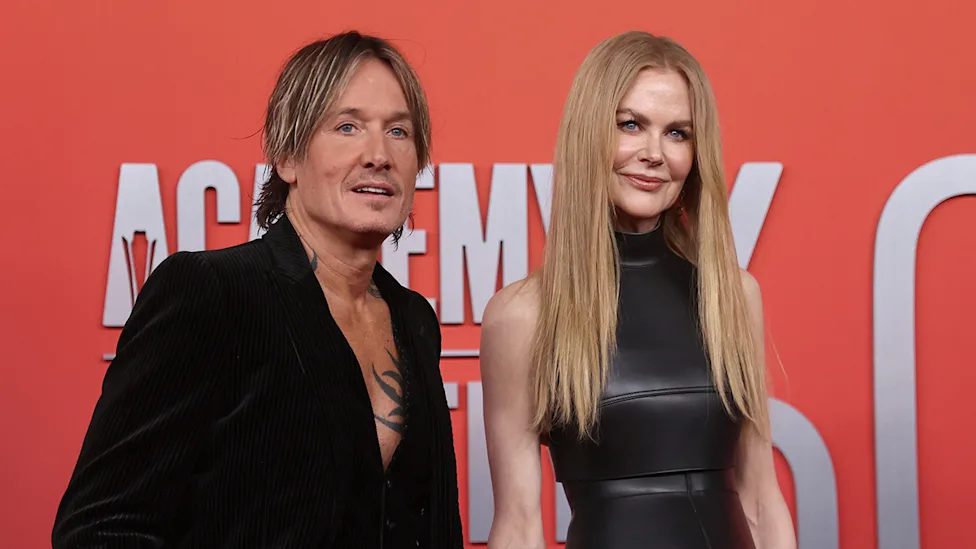
💔 Nicole Kidman Finally Opens Up About Keith Urban After Their Separation — The Truth Behind a 20-Year Love Story

For nearly two decades, Nicole Kidman and Keith Urban were seen as one of entertainment’s most admired couples. She was the award-winning Hollywood actress known for her elegance, ambition, and emotional depth. He was the country music superstar whose songs, talent, and vulnerability made him beloved by millions. Together, they represented something rare in the … Read more

3 August 2026

At 80, Pattie Boyd Finally Exposes the Dark Truth Behind Her Marriage to Eric Clapton

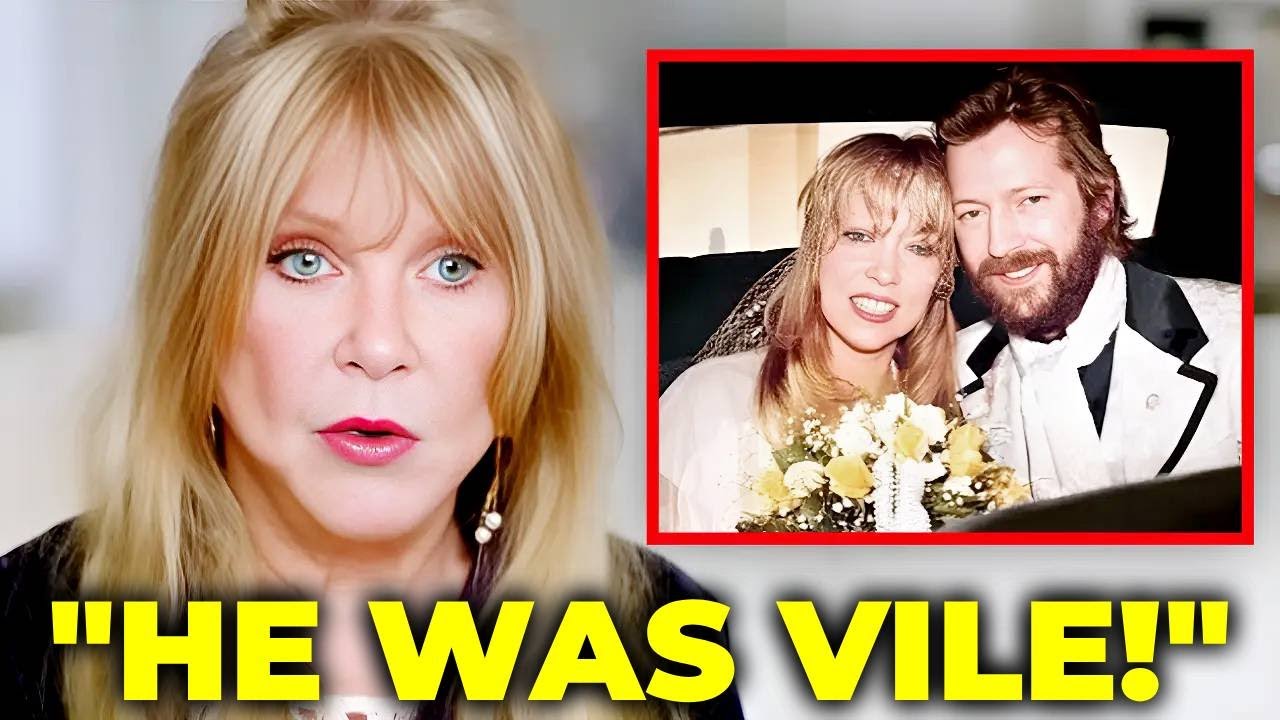
At eighty years old, Pattie Boyd has finally broken her silence on the harrowing realities of her marriage to Eric Clapton, a union long romanticized as the ultimate rock and roll love story. The iconic model and muse of the 1960s is now exposing the painful truth behind the fairy tale, leaving fans and admirers stunned by her candid revelations. The woman who once inspired some of the most celebrated love songs in music history—including “Layla” and “Wonderful Tonight”—has revealed that the reality of her life with the legendary guitarist was far from romantic. Instead, it was marked by betrayal, addiction, and profound emotional devastation that would take decades to overcome. Boyd’s revelations come at a time when she has fully reclaimed her own narrative. After years of being defined by her relationships with two of rock music’s most iconic figures, she is now speaking openly about the suffering that lurked beneath the surface of her seemingly glamorous life. Born Patricia Anne Boyd on March 17, 1944, in Taunton, Somerset, England, she rose to prominence as one of the most sought-after models of the Swinging Sixties. Her distinctive look—characterized by long hair, wide eyes, and an innate youthful charm—graced the covers of Vogue and other leading fashion publications, making her an icon of her generation. But her entry into the world of rock and roll would change her life forever. In 1964, during the filming of “A Hard Day’s Night,” Boyd met George Harrison, and their rapid romance culminated in marriage on January 21, 1966. At the heart of Beatlemania, Boyd’s life seemed like a dream come true. Yet the reality of her marriage to Harrison was fraught with challenges. His increasing devotion to Eastern spirituality created an emotional distance between them, while his infidelities—including a devastating affair with Maureen Starkey, the wife of Ringo Starr—eroded her trust and sense of self-worth. Boyd found herself trapped in the role of “the little wife sitting at home,” unfulfilled and isolated. The breaking point came when she discovered Harrison’s affair with Starkey, finding her at their home lying on a mattress while Harrison dismissed her presence with indifference. It was a humiliation Boyd would never forget, forcing her into painful introspection about her own worth. Amidst the turmoil of her marriage to Harrison, another figure had entered the scene: Eric Clapton. Clapton, a close friend and creative collaborator of Harrison, had become obsessed with Boyd, and his pursuit would set the stage for one of rock music’s most complicated and destructive love triangles. Clapton’s obsession with Boyd was so intense that it bled into his music. The iconic song “Layla” was inspired by his unrequited love for her, and “Wonderful Tonight” captured moments they shared together. But the romance that Boyd eventually entered into with Clapton would prove to be even more devastating than her marriage to Harrison. Before his relationship with Boyd took hold, Clapton’s personal life was already marked by chaos. His relationship with Alice Ormsby Gore was dominated by substance abuse, with both partners succumbing to heroin addiction. Clapton himself later admitted that their life together was defined by dependency and instability rather than genuine love. Even more complicated was Clapton’s brief relationship with Boyd’s younger sister, Paula. After meeting at a concert in Liverpool in December 1969, Clapton became involved with Paula, but his heart remained fixated on Pattie. Paula would later discover that “Layla” was inspired by her sister, a painful realization that eroded her self-esteem and led to the end of their relationship. This entanglement highlighted the deeply interwoven and destructive nature of the relationships within this circle of rock royalty. When Boyd finally separated from Harrison in 1974 and divorced in 1977, she began a relationship with Clapton. They married on March 27, 1979, in Tucson, Arizona. The wedding was notable for Harrison’s presence, who humorously referred to himself as their “husband-in-law,” suggesting a level of camaraderie that belied the complicated history between them. But the marriage that followed was far from the passionate romance that had been imagined. Clapton’s struggles with alcoholism and substance abuse took a severe toll on their relationship, causing Boyd considerable emotional distress. She would later reflect on the difficulty of maintaining any semblance of stability in their lives together. Perhaps most devastating was the couple’s struggle to have children. Clapton had long expressed a desire to have a family with Boyd, and they underwent multiple attempts at in-vitro fertilization. Each failed attempt deepened Boyd’s sense of loss and frustration. The emotional toll of these unsuccessful procedures, combined with Clapton’s personal struggles, placed an unbearable strain on their marriage. Boyd has described the IVF process as emotionally taxing, with each failed attempt deepening her sense of loss. But the true devastation came in 1985 when Boyd discovered Clapton’s infidelities. She learned that Clapton had fathered a daughter named Ruth with another woman. In 1986, he fathered a son named Connor with Lori Del Santo. Boyd was informed about Connor’s existence while she was still married to Clapton, a revelation that she described as a “stab in the heart.” The timing of these discoveries made the betrayal even more painful. Boyd had been enduring the emotional and physical toll of IVF treatments, dreaming of building a family with Clapton, all while he was seeking fulfillment outside of their marriage. The revelation shattered her and deepened her emotional wounds, leading her to question her very self-worth. Following their divorce in 1989, Boyd found herself grappling with a profound crisis of identity. She later reflected, “I was no longer Mrs. Famous George or Mrs. Famous Eric, so who am I? I am no one.” These words captured the depth of her loss and the extent to which she had been defined by her relationships with famous musicians. The aftermath of her marriages forced Boyd to confront the painful reality of her life. She sought therapy to process the emotional pain from both marriages and to reclaim her sense of self. As part of her healing process, she turned to photography and writing, creative outlets that allowed her to rediscover her identity outside the confines of her associations with iconic musicians. Boyd’s photography, which she had begun exploring during her years in the rock and roll world, eventually gained international recognition. Her exhibitions around the world helped establish her as an artist in her own right, offering intimate glimpses into the lives of the musicians and cultural figures she had known. In 2007, Boyd published her autobiography, “Wonderful Tonight: George Harrison, Eric Clapton, and Me,” which became an international bestseller. The book provided a candid look into her personal life and professional journey. Through her memoir, Boyd reclaimed her voice and her identity, moving beyond the narratives that had long defined her life and career. It was a powerful act of self-assertion from a woman who had been objectified and idealized for decades, often at the expense of her own happiness. The revelations about her marriage to Clapton are particularly significant because they challenge the enduring myth of the romantic rock and roll muse. Boyd’s story is not one of glamour and romance, but of survival—a woman who endured betrayal, addiction, and emotional devastation, and who emerged with her dignity intact. At eighty years old, Pattie Boyd is no longer willing to let the world romanticize her suffering. Her candid revelations about Eric Clapton serve as a powerful reminder that the fairy tale narratives we construct around celebrities often obscure the painful realities of their lives. Boyd’s legacy extends far beyond her status as a muse to famous musicians. She is a cultural icon who represented the freedom and individuality of the 1960s, a fashion pioneer whose influence continues to resonate across generations. Mary Quant herself once suggested that women should aspire to look like Boyd, a testament to her enduring impact on style and beauty. But her most important legacy may be her courage in speaking her truth. At an age when many might choose to remain silent, Boyd has chosen to shed light on the darker aspects of her life, giving voice to the pain that was hidden behind the facade of rock and roll glamour. The story of Pattie Boyd and Eric Clapton is a cautionary tale about the dangers of romanticizing toxic relationships. Clapton’s obsession with Boyd was never truly love—it was possession, fueled by addiction and an inability to find fulfillment within himself. Boyd, caught in the orbit of two brilliant but deeply flawed men, paid the price for their emotional immaturity. As she looks back on her life, Boyd’s revelations serve as a reminder that the truth is often far more complex and painful than the stories we tell ourselves. Her willingness to share her experiences, even at eighty years old, demonstrates a remarkable strength and a commitment to authenticity that is truly inspiring. The world may remember Pattie Boyd as the woman who inspired “Layla” and “Something,” but her own story is far more significant. It is a story of survival, healing, and ultimately, of reclaiming one’s identity in the face of overwhelming odds. Her photographic work and memoir have cemented her status as an artist and author in her own right, distinct from the men who once defined her public persona. She has transformed her pain into purpose, using her experiences to illuminate the hidden costs of fame and the importance of self-worth. For fans who grew up idolizing the romanticized image of Clapton and Boyd, these revelations are a sobering correction. The reality of their marriage was a cycle of addiction, betrayal, and emotional exhaustion, far removed from the tender lyrics of the songs Clapton wrote for her. Boyd’s decision to speak out now, at eighty, is a powerful statement. She is no longer the young model swept up by the charisma of rock stars. She is a survivor who has come to understand that the greatest love story she could ever be part of is the one she has with herself.

3 August 2026

Bob Denver Lived a Life Far Different From Gilligan — The Untold Story Behind the Man Who Made America Laugh

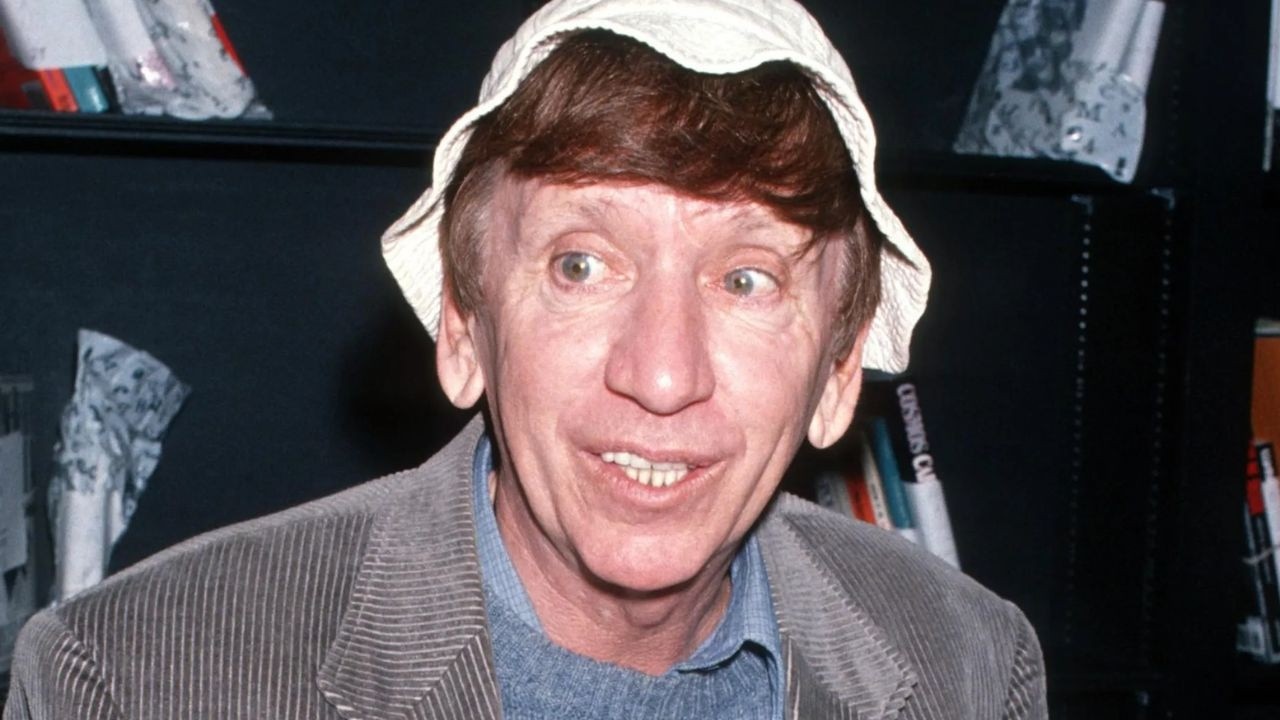
For millions of television viewers, Bob Denver will always be remembered as Gilligan, the lovable first mate whose clumsy mistakes and innocent personality became the heart of one of television’s most recognizable sitcoms. With his red shirt, famous white hat, and unforgettable expressions, Gilligan brought laughter to generations of families who gathered around their televisions … Read more

3 August 2026

At 74, Parker Stevenson First time Breaks His Silence After Kirstie Alley’s Death

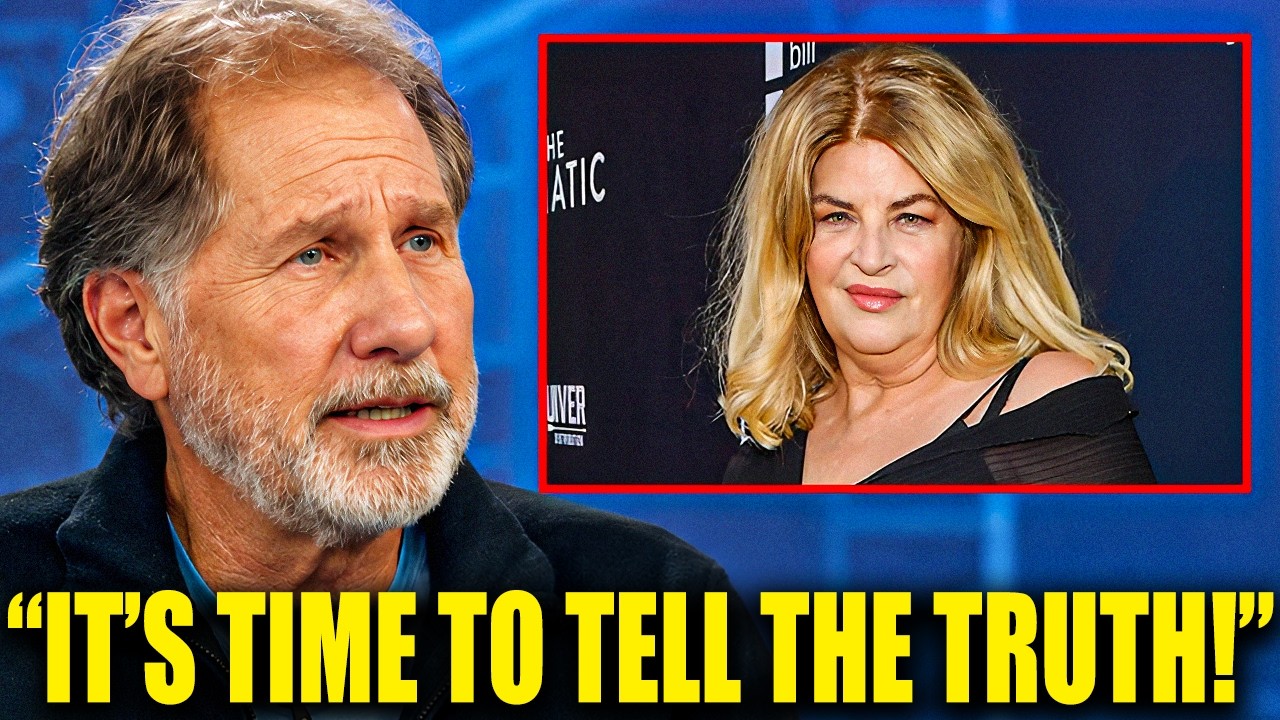
  LOS ANGELES — Parker Stevenson has finally broken his silence after more than a decade of quiet, and the words he chose carry the weight of a lifetime shared with Kirstie Alley. At 74, the former teen heartthrob stepped back into the public eye to honor the woman who changed his life forever.   His tribute came through a single photograph posted to social media, showing Alley holding his shirt at the 1988 premiere of “Shoot to Kill.” Beside the image, he wrote words that stunned fans and reignited interest in a love story that many thought had ended long ago.     “Dear Kirsty, I am so grateful for our years together and for the two incredibly beautiful children and now grandchildren that we have,” he wrote. “You will be missed with love, Parker.”     Those words marked the first time Stevenson had publicly addressed Alley since her death on December 5th, 2022. She was 71 years old and had been battling cancer that her family said was only recently discovered before her passing.     True and Lily, the couple’s two adopted children, announced their mother’s death with a statement that called her “an incredible, fierce, and loving mother.” They said she was surrounded by close family and praised her joy for life, her children, grandchildren, animals, and creative work.     The news sent shockwaves through Hollywood. John Travolta called their bond one of the most special relationships of his life. Ted Danson remembered how easily she made him laugh. Rhea Perlman spoke about Kirsty’s limitless joy and the elaborate treasure hunts she created for their children.     But it was Stevenson’s quiet tribute that pulled buried history back into the light. The couple’s story began in 1981, when Alley saw Stevenson across a Los Angeles bar and told her roommate she would give anything to be with him.     There was one obvious problem. Stevenson had arrived with someone else. Alley walked over anyway, and her confidence worked. They danced that night, and by the time they left, they were drawn closely together.     Their differences appeared almost immediately. Alley loved rap music, vegetables, cigarettes, and Scientology. Stevenson preferred classical music, sugar, a smoke-free room, and his Episcopalian faith. She was loud, quick, and impossible to miss. He was careful, calm, and happier outside the center of attention.     Stevenson later called them exact opposites. At first, that contrast created excitement. Each seemed to offer what the other lacked. Their politics, habits, beliefs, and basic ways of living rarely matched, but the attraction was strong enough to overcome everything.     Before he met Alley, Stevenson had already tasted fame beyond anything he expected. Born June 4th, 1952, in Philadelphia, he was one of two sons born to Richard Stevenson Parker Sr. and Sarah Meade. His mother was an actress who appeared on Broadway and in television commercials.     When Parker was only five, Sarah took him to a filming session. That visit led to two small television appearances, giving him an early look at the world that would later shape his life. His father did not welcome that direction and made it clear he did not see acting as a serious career.       Parker’s real interest was architecture. He liked structure, design, and the idea of creating something that could last. That plan followed him to Princeton University, where he studied architecture. Acting remained more of a useful side job than a calling.     In 1972, acting moved to the front when he received his first notable screen role in “A Separate Peace.” He was credited as Parker Stevenson, the name audiences would soon know. Yet even then, he was not certain that Hollywood was where he belonged.       In 1977, he was cast as Frank Hardy in “The Hardy Boys/Nancy Drew Mysteries.” Shaun Cassidy played his younger brother Joe, while Pamela Sue Martin played Nancy Drew. Frank was the calmer and steadier brother, which suited Parker’s natural screen presence.       The show became a massive hit and turned both young actors into national heartthrobs overnight. Their faces appeared on posters, lunchboxes, and magazines. Parker later called the experience very surreal, recalling a visit to the King Tut exhibit where people stared at him instead of the famous treasures. … Read more

3 August 2026